Get your free personalized podcast brief
We scan new podcasts and send you the top 5 insights daily.
In unstable environments, adherence to Western standards for food safety and anti-bribery isn't a burden but a key differentiator. It attracts other multinationals as customers who value reliability and predictability, knowing contracts will be honored without illicit payments.

Related Insights
While international markets have more volatility and lower trust, their biggest advantage is inefficiency. Many basic services are underdeveloped, creating enormous 'low-hanging fruit' opportunities. Providing a great, reliable service in a market where few things work well can create immense and durable value.
![Martín Escobari - Inside General Atlantic - [Invest Like the Best, EP.449] thumbnail](https://megaphone.imgix.net/podcasts/90e6e3e6-c984-11f0-ae5f-27bb851bdc56/image/608fac468f77cb3014e96336896d96de.jpg?ixlib=rails-4.3.1&max-w=3000&max-h=3000&fit=crop&auto=format,compress)
Contrary to the image of mercenaries as universally brutal, data shows that private military companies based in democratic countries are associated with a 66% lower rate of civilian victimization compared to those from non-democracies, likely due to corporate accountability and reputational concerns.
Experian uses a federated model where central functions like technology set global standards for security and governance, while regional CEOs adapt products to local economic contexts and regulations. This balances efficiency with market relevance.

Modern multinationals avoid the high cost and risk of securing foreign markets themselves. Instead, they 'draft' behind the U.S. government, which uses its diplomatic and military power to create favorable conditions. This effectively socializes geopolitical risk for corporations while they privatize the profits.

The Trans-Pacific Partnership (TPP) successfully incentivized countries like Peru to raise labor standards. The carrot wasn't better access to the U.S. market, which they already had, but new access to Japan's historically closed market, which the U.S. helped negotiate.
In environments plagued by counterfeits, like Nigeria's pharmaceutical market, product value isn't just about price or convenience. A core, defensible feature is guaranteeing authenticity. This requires solving complex supply chain and tracking problems, which in turn builds a critical moat against competitors.

When entering challenging markets, large Western companies often operate in proximity. This creates a de facto ecosystem where participants share similar operational norms and contractual expectations, reducing friction and risk for all involved.
Successful, long-term vendor relationships are built on cultural alignment and a shared vision, not the lowest bid. Intensive due diligence should focus on finding a partner who is transparent, trustworthy, and willing to innovate and grow with your organization. A mismatched culture will lead to revisiting the selection process within a year.

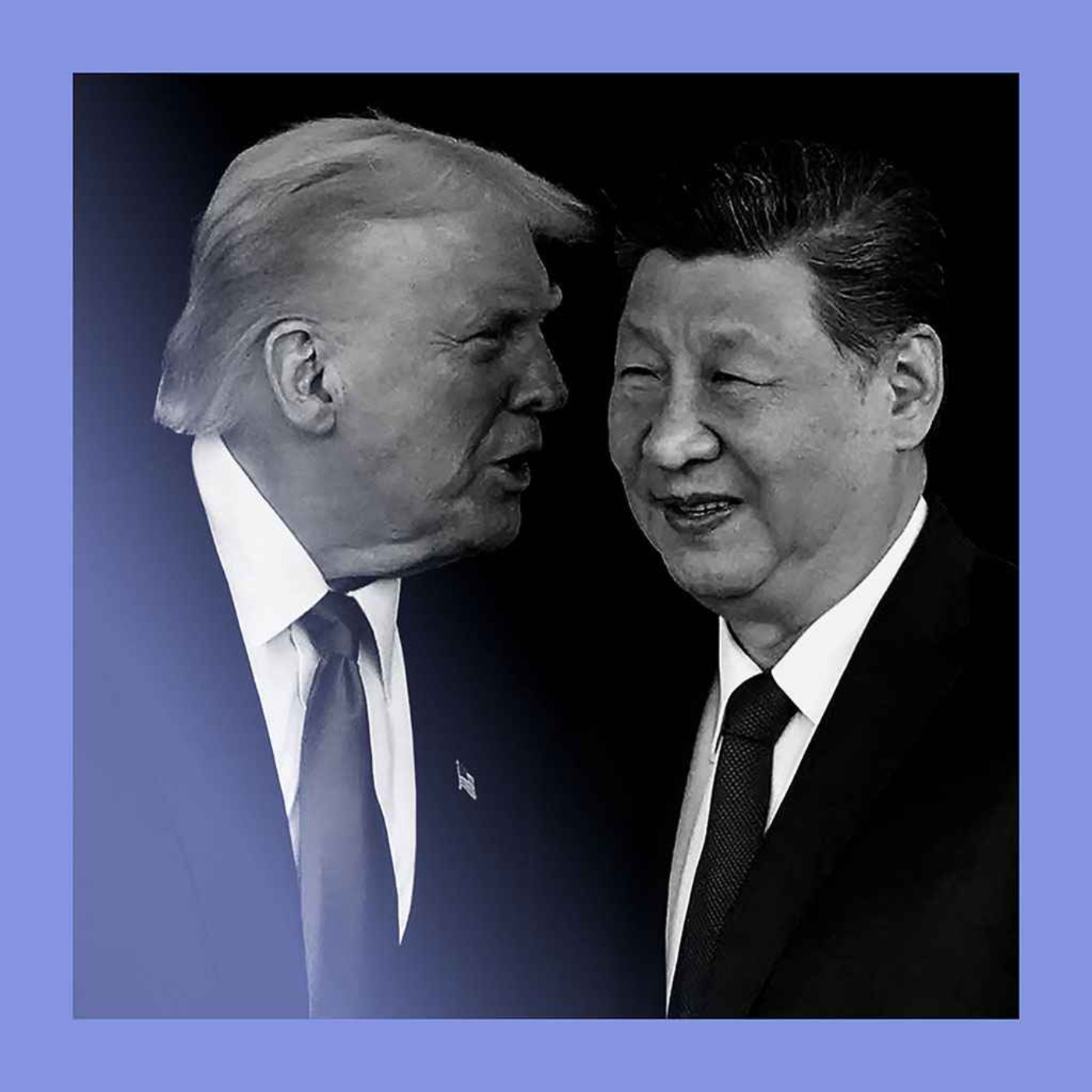
Geopolitical shifts mean a company's country of origin heavily influences its market access and tariff burdens. This "corporate nationality" creates an uneven playing field, where a business's location can instantly become a massive advantage or liability compared to competitors.
In authoritarian regimes like China, companies must prioritize state interests over shareholder value. Perth Toll argues this means foreign investors are not just taking on risk, but are actively subsidizing the cost of a company's compliance with a government agenda that may oppose their own financial goals.