Get your free personalized podcast brief
We scan new podcasts and send you the top 5 insights daily.
In authoritarian regimes like China, companies must prioritize state interests over shareholder value. Perth Toll argues this means foreign investors are not just taking on risk, but are actively subsidizing the cost of a company's compliance with a government agenda that may oppose their own financial goals.
Related Insights
Unlike American businesses focused on financial metrics, Chinese business leaders often aim for market dominance. This explains their willingness to invest heavily in long-term projects and infrastructure without immediate concern for high profits.
When governments become top shareholders, corporate focus shifts from pleasing customers to securing political favor and appropriations. R&D budgets are reallocated to lobbying, and market competition devolves from building the best product to playing the policy game most effectively, strangling innovation.

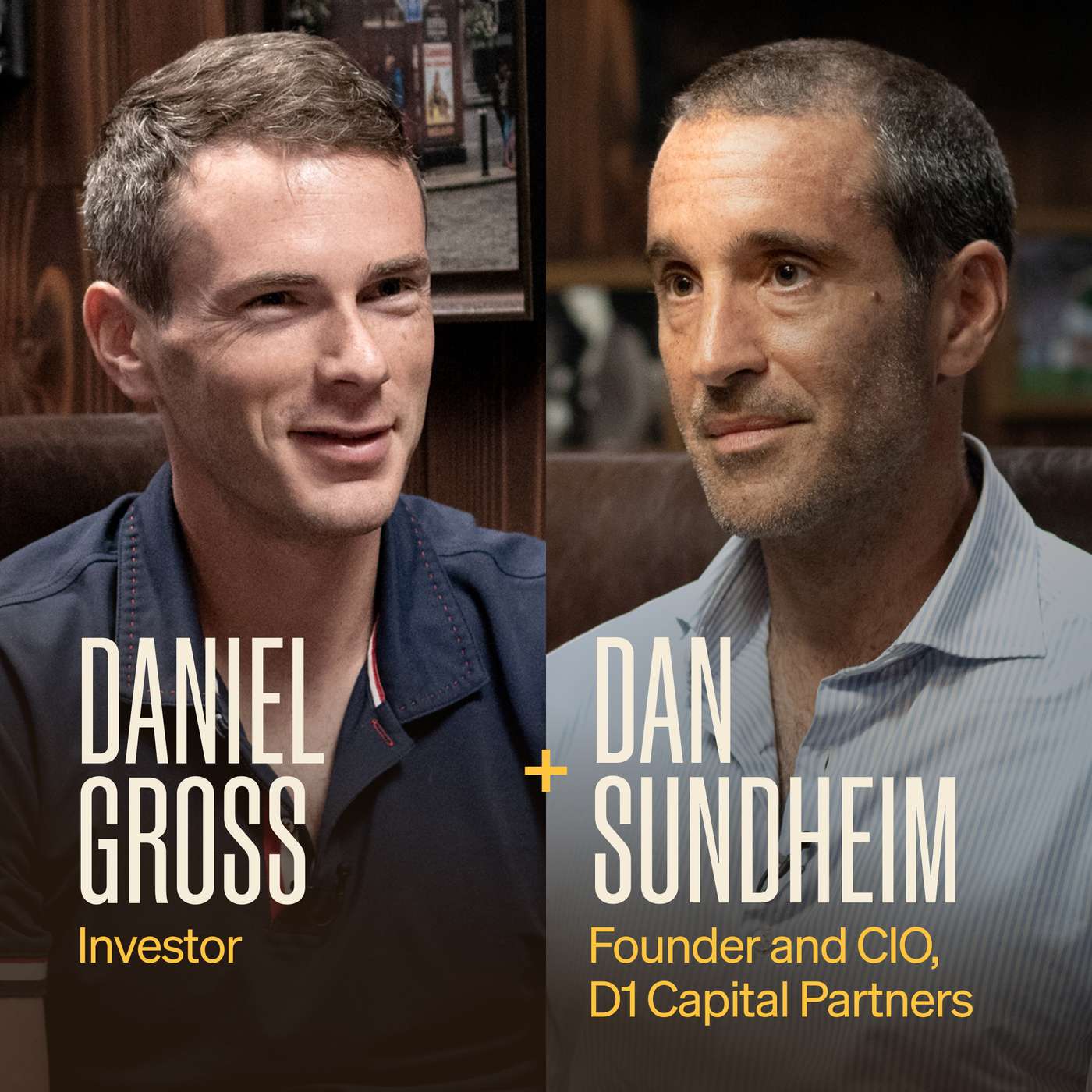
For D1 Capital, the primary risk in China isn't economic but political. The government's ability to arbitrarily influence resource allocation, punish successful companies, and eliminate entire sectors without due process creates an unacceptable level of uncertainty for capital allocators, regardless of how cheap valuations become.
A massive foreign investment package is not just an economic transaction; it's a strategic tool. By embedding itself in a nation's economy through land and real estate, a foreign power buys political leverage and can subtly shape policy to its own advantage, corrupting the country from within.
The U.S. is shifting from industry supporter to active owner by taking direct equity stakes in firms like Intel and U.S. Steel. This move blurs the lines between free markets and state control, risking a system where political connections, not performance, determine success.
While investing in government-supported sectors like AI and semiconductors seems safe, it's a long-term risk. A government's priority is political—winning elections and preserving jobs—which will eventually conflict with an investor's goal of maximizing profit, leading to poor returns as seen in China.

China's economic structure, which funnels state-backed capital into sectors like EVs, inherently creates overinvestment and excess capacity. This distorted cost of capital leads to hyper-competitive industries, making it difficult for even successful companies to generate predictable, growing returns for shareholders.

In Russia, nominally private companies like Gazprom function as direct extensions of the state. Their international investments are designed not just for profit but to achieve geopolitical goals, creating a system where foreign policy, business interests, and the personal wealth of the ruling class are completely inseparable.

Profitable Chinese giants like ByteDance trade at a fraction of their Western counterparts' multiples. This "China discount" stems not from business fundamentals but from the unpredictable risk of the Communist Party "smiting" successful companies and overarching geopolitical tensions, making them un-investable for many.
![Dan Wang - The US vs China In The 21st Century - [Invest Like the Best, EP.444] thumbnail](https://megaphone.imgix.net/podcasts/e1599a88-a9f6-11f0-b532-e3695bb27d60/image/0f5c07552cef2689e5834d56786ad6f1.jpg?ixlib=rails-4.3.1&max-w=3000&max-h=3000&fit=crop&auto=format,compress)
The Freedom 100 Index creator cites China's one-child policy, which she grew up under, as a key insight. The policy created a massive demographic crisis, proving how a single authoritarian decision can inflict long-term, unrecoverable damage on a country's market potential and society.