Get your free personalized podcast brief
We scan new podcasts and send you the top 5 insights daily.
A robust alternative investment portfolio isn't just about adding a new asset class. Goldman Sachs emphasizes a three-pronged diversification approach: across different strategies (buyout, venture), multiple managers (GPs), and different vintage years to smooth out market cycles.

Related Insights
The new approach to asset allocation treats private markets as an alternative to public stocks and bonds, not just a small add-on. This means integrating them directly into the core equity and debt portions of a portfolio to enhance returns and diversification.

Historically, private equity was pursued for its potential outperformance (alpha). Today, with shrinking public markets, its main value is providing diversification and access to a growing universe of private companies that are no longer available on public exchanges. This makes it a core portfolio completion tool.

For moderate-risk, ultra-high-net-worth clients, Goldman Sachs advocates a surprisingly high 27% portfolio allocation to alternatives. The main challenge is implementation, so the firm uses proprietary "commitment planners" to help clients methodically invest capital annually, ensuring diversification across vintage years, strategies, and managers.

Oren Zeev defends his rapid fund deployment by reframing vintage diversification. He argues that for LPs who invest across his successive funds, diversification occurs at the portfolio level over many years. A single fund may be concentrated in one market cycle, but the long-term LP benefits from exposure to multiple vintages.
A diversified alternatives manager gains a significant advantage by seeing pricing across public equity, private equity, debt, and royalties simultaneously. This cross-asset visibility allows them to identify the best risk-adjusted return for any given opportunity, choosing to structure a royalty instead of buying equity, for example.
Owning multiple stocks or ETFs does not create a genuinely diversified portfolio. True diversification involves owning assets that react differently to various economic conditions like inflation, recession, and liquidity shifts. This means spreading capital across productive equities, real assets, commodities, hard money like gold, and one's own earning power.

A more robust diversification strategy involves spreading exposure across assets that behave differently under various macroeconomic environments like inflation, deflation, growth, and contraction. This provides better protection against uncertainty than simply mixing asset classes.

Oren Zeev argues that LPs should seek diversification across their portfolio of GPs, not within a single fund. He believes GPs should be concentrated in their best deals to maximize returns, noting that concentration limits at the fund level don't benefit LPs who are already diversified across many managers.
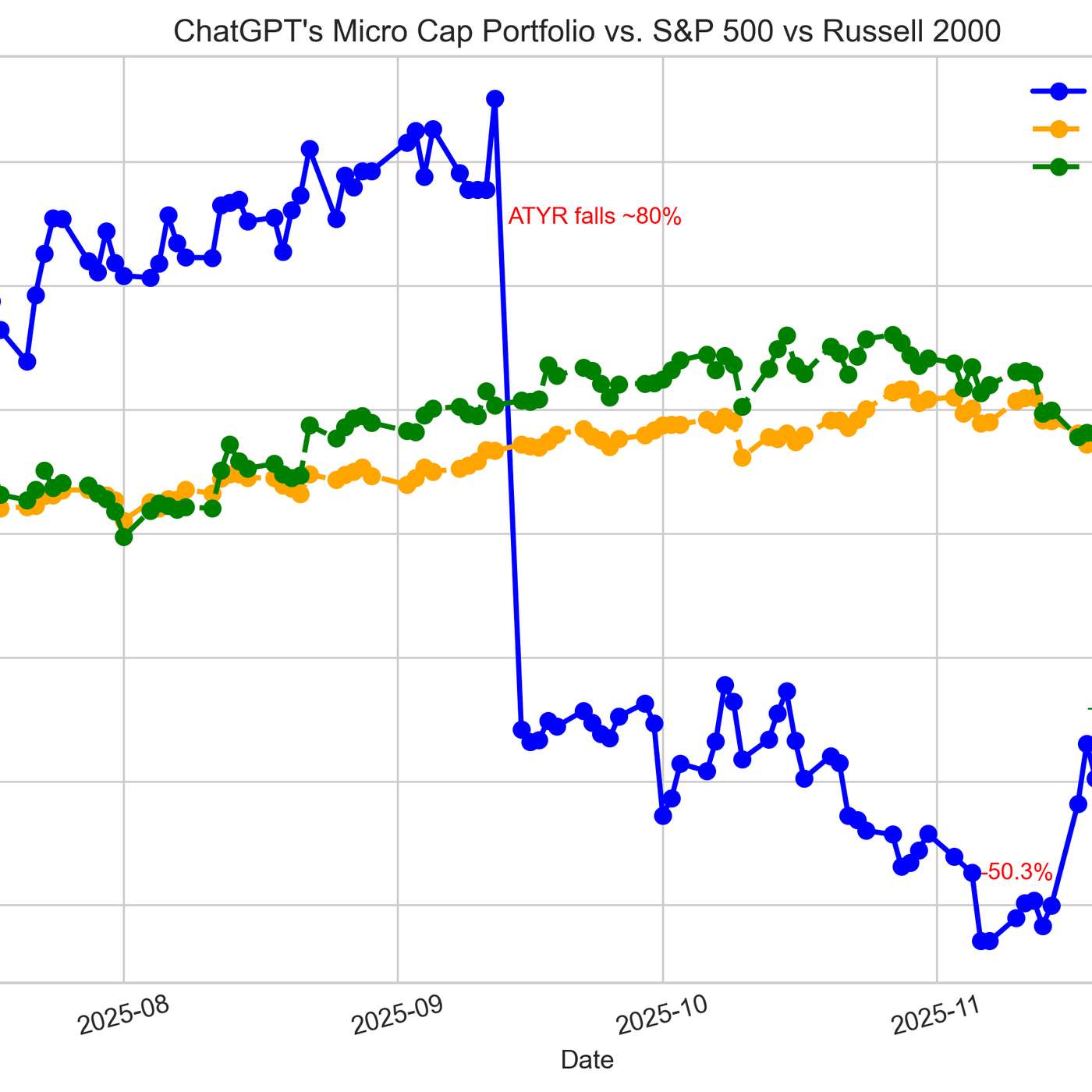
The AI's portfolio construction goes beyond simple asset diversification by intentionally balancing three distinct investment theses: a de-risked 'anchor' (Mist), an asymmetric 'moonshot' (SLS), and a valuation-driven 'rebound' (JSPR). This strategy diversifies risk across different potential paths to success.
Instead of allocating a large sum to a low-volatility alternative, investors should allocate a smaller amount to a higher-volatility version of the same strategy. This provides the same dollar exposure to the alpha source but is more capital-efficient, freeing up capital for other uses and reducing manager risk.