Get your free personalized podcast brief
We scan new podcasts and send you the top 5 insights daily.
The public has a "homeostatic set point" for how much success a company deserves. Being seen as "overrated" invites criticism, while being "underrated" encourages people to champion you. The goal is to be perceived as deserving of even more success.

Related Insights
Effective reputation-building isn't about personal popularity. It starts with defining an ambitious mission (e.g., "build super intelligence"). Then, ask: "As a means to that end, what do people need to know about me?" This mission-first approach guides all communication tactics.
The public instinctively places every company on a story arc with a rise, peak, and fall. Founders must actively shape the perception that their company is still on the upward slope. Being seen as pre-peak inspires confidence, while being seen as post-apex invites negative assumptions.
Traditional valuation metrics ignore the most critical drivers of success: leadership, brand, and culture. These unquantifiable assets are not on the balance sheet, causing the best companies to appear perpetually overvalued to conventional analysts. This perceived mispricing creates the investment opportunity.

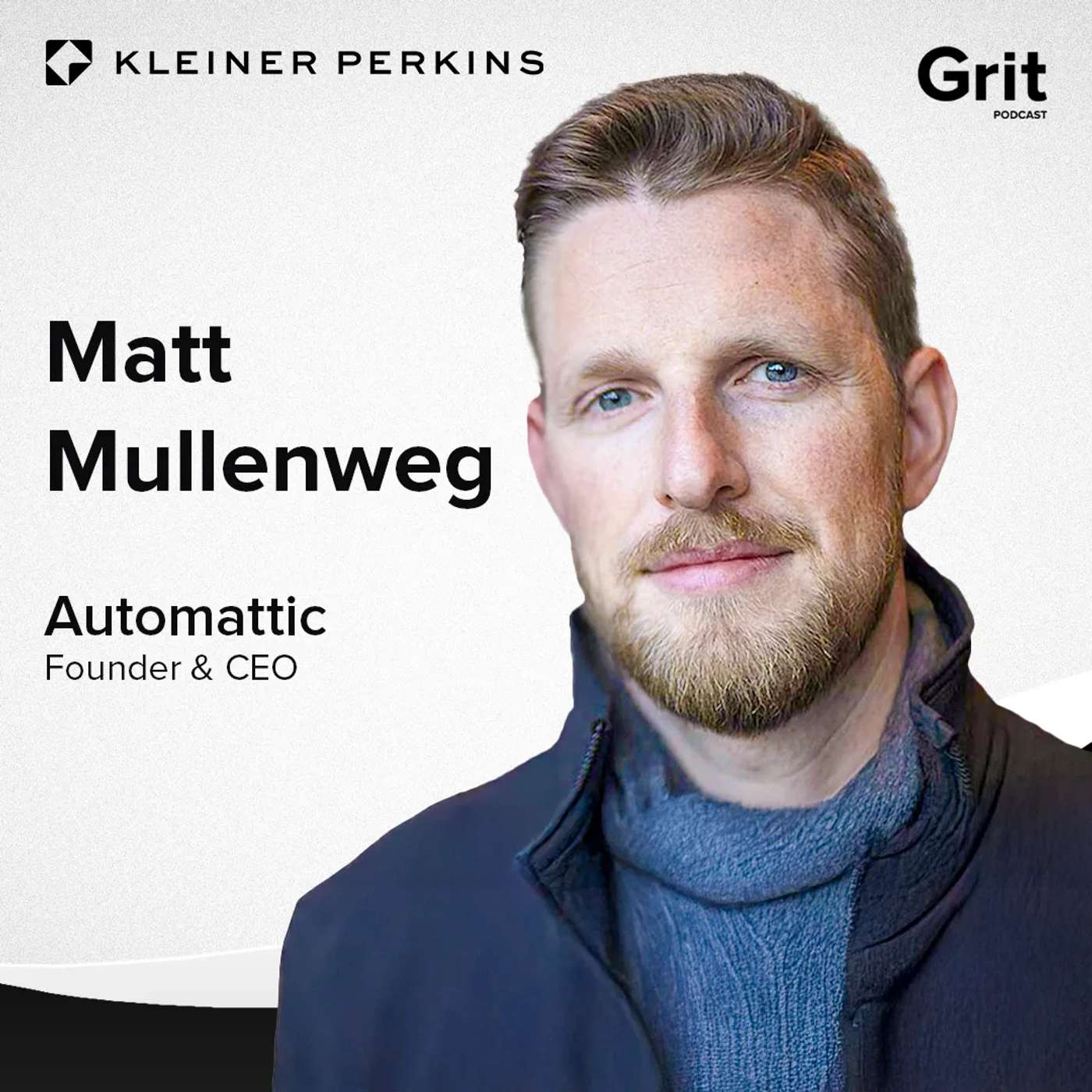
Matt Mullenweg notes that entrepreneurs inevitably cycle between being celebrated and vilified. Surviving this requires ignoring the noise and focusing on core principles and customers, recognizing even today's tech giants faced similar periods of extreme negative sentiment.
As a founder, you'll likely experience a predictable social journey. First, people dismiss your ambition. Then, they diminish your early efforts. Once you gain traction, they become fans asking for perks. Finally, they claim they supported you all along. Understanding this pattern helps you ignore the need for external validation.

The 'Pratfall Effect' suggests showing a flaw can make a person or brand more appealing. However, this has a major caveat: it only works from a position of strength. A competent brand like Guinness can highlight its slow pour time as a virtue. An incompetent brand admitting a flaw simply confirms its incompetence, making the situation worse.

Don't be deterred by criticism from industry peers. Zaria Parvez of Duolingo views it as a positive indicator. If marketers dislike your work but consumers love it, you're successfully breaking through the marketing echo chamber and connecting with your actual audience.
As entrepreneurs gain visibility, they face pressure to "stay in their lane." Criticism from strangers often leads them to present a polished, less authentic version of themselves, effectively allowing the public to dictate the boundaries of their brand and personality.

People underrate the power of being genuinely liked. When someone has a positive gut feeling about a founder, they will mentally "retcon" or create reasons to justify their support, making the founder's message seem more compelling than it might objectively be.
Trust can be destroyed in a single day, but rebuilding it is a multi-year process with no shortcuts. The primary driver of recovery is not a PR campaign but a consistent, long-term track record of shipping product and addressing user complaints. There are very few "spikes upward" in regaining brand trust.
