Get your free personalized podcast brief
We scan new podcasts and send you the top 5 insights daily.
Contrary to popular belief, maximizing dopamine doesn't always enhance sexual function. While dopamine drives desire, excessively high levels create a state of high alert (sympathetic nervous system). This state prevents the engagement of the calming parasympathetic nervous system, which is required for physical arousal, creating a mind-body disconnect.

Related Insights
The brain maintains balance by counteracting any deviation to the pleasure side with an equal and opposite reaction to the pain side. This opponent process is why we experience hangovers and why chronic indulgence leads to a dopamine deficit state, driving us to use more just to feel normal.

The emotional flatness and lack of motivation common in menopause stems from a drop in dopamine. Instead of forcing yourself through old routines, you can strategically counteract this by introducing novelty. Learning a new sport or changing daily habits helps naturally boost dopamine and reignite drive.

Dopamine is often misunderstood as a 'pleasure molecule.' Its more crucial role is in motivation—the drive to seek a reward. Experiments show rats without dopamine receptors enjoy food but won't move to get it, starving to death. This seeking behavior is often triggered by the brain's craving to escape a dopamine deficit state.
Most people have sex at night when hormonal profiles are misaligned for intimacy (low testosterone, high melatonin). In the morning, key hormones like testosterone and cortisol are high while melatonin is low, leading to biologically superior performance and connection.

The feeling of motivation isn't abstract; it's chemical energy. Dopamine directly initiates cellular energy production by binding to the outside of mitochondria. This activates the electron transport chain to make ATP available for action, physically linking the brain's desire to act with the cellular fuel required to do so.

Chaotic relationships are often mistaken for passion. They operate on a sympathetic nervous system level, driven by dopamine and cortisol. The 'highs' are just relief from anxiety, not genuine happiness. Healthy relationships are parasympathetic, fostering calm and safety through oxytocin and serotonin.

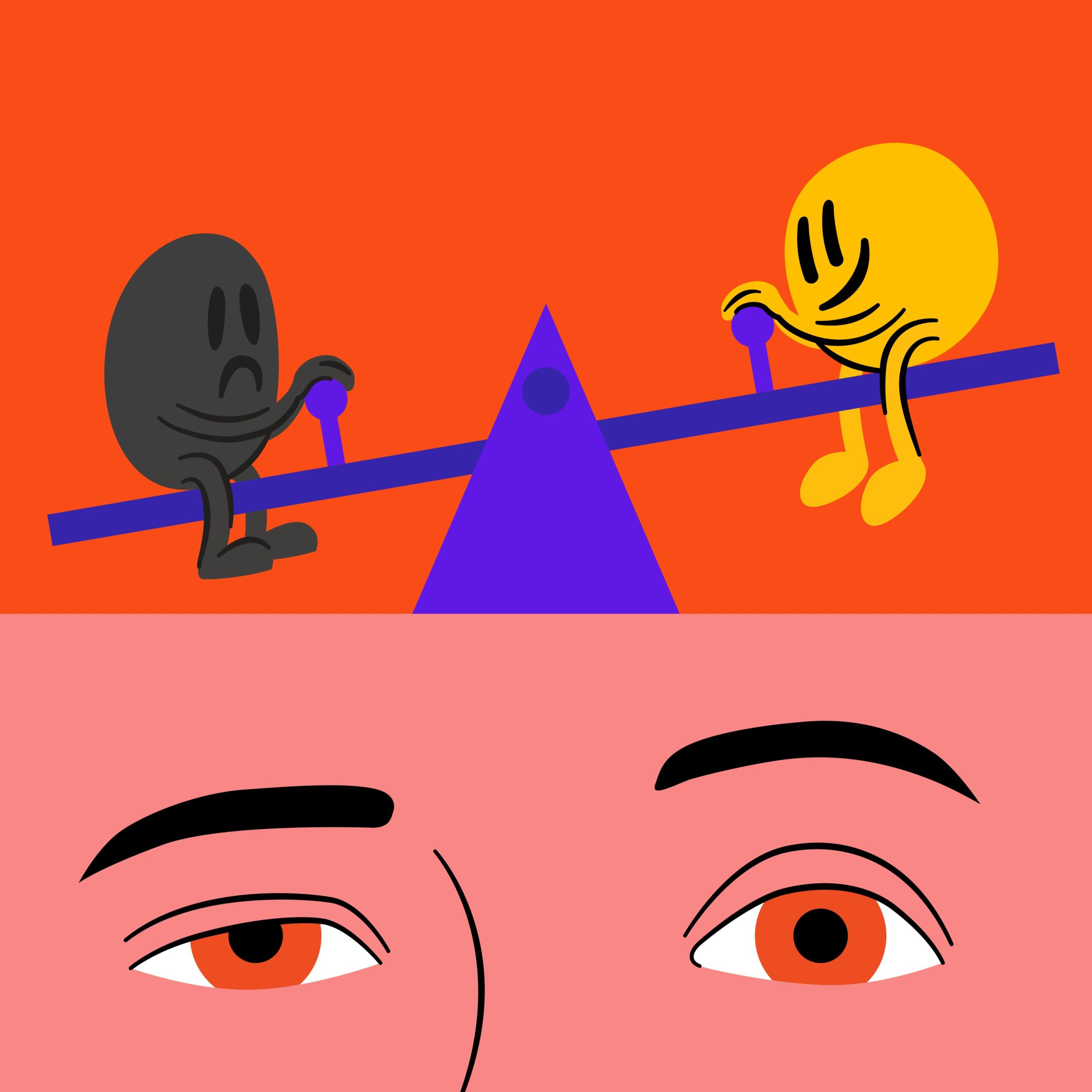
Human brain recordings reveal a seesaw relationship between dopamine and serotonin. Dopamine levels rise with positive events or anticipation, while serotonin falls. Conversely, serotonin—the signal for negative outcomes or "active waiting"—rises in response to adversity, while dopamine falls. This opponent dynamic is crucial for learning and motivation.
The brain's hyper-plasticity period lasts until around age 25. Constant scrolling on social media provides rapid dopamine hits that the developing brain adapts to. This can create a permanent neurological wiring that expects high stimulation, leading to agitation and dysfunction in normal environments.

The brain maintains a pain-pleasure balance. Constantly triggering pleasure (dopamine) causes the brain to overcompensate by activating pain pathways, leading to a chronic dopamine-deficient state that manifests as anxiety, irritability, and depression.

The neurochemical for wanting (dopamine) is stronger than the one for liking (serotonin). This wiring creates the "arrival fallacy," where we perpetually chase achievements, mistakenly believing external validation will provide lasting fulfillment, which it is neurochemically unequipped to do.
