Get your free personalized podcast brief
We scan new podcasts and send you the top 5 insights daily.
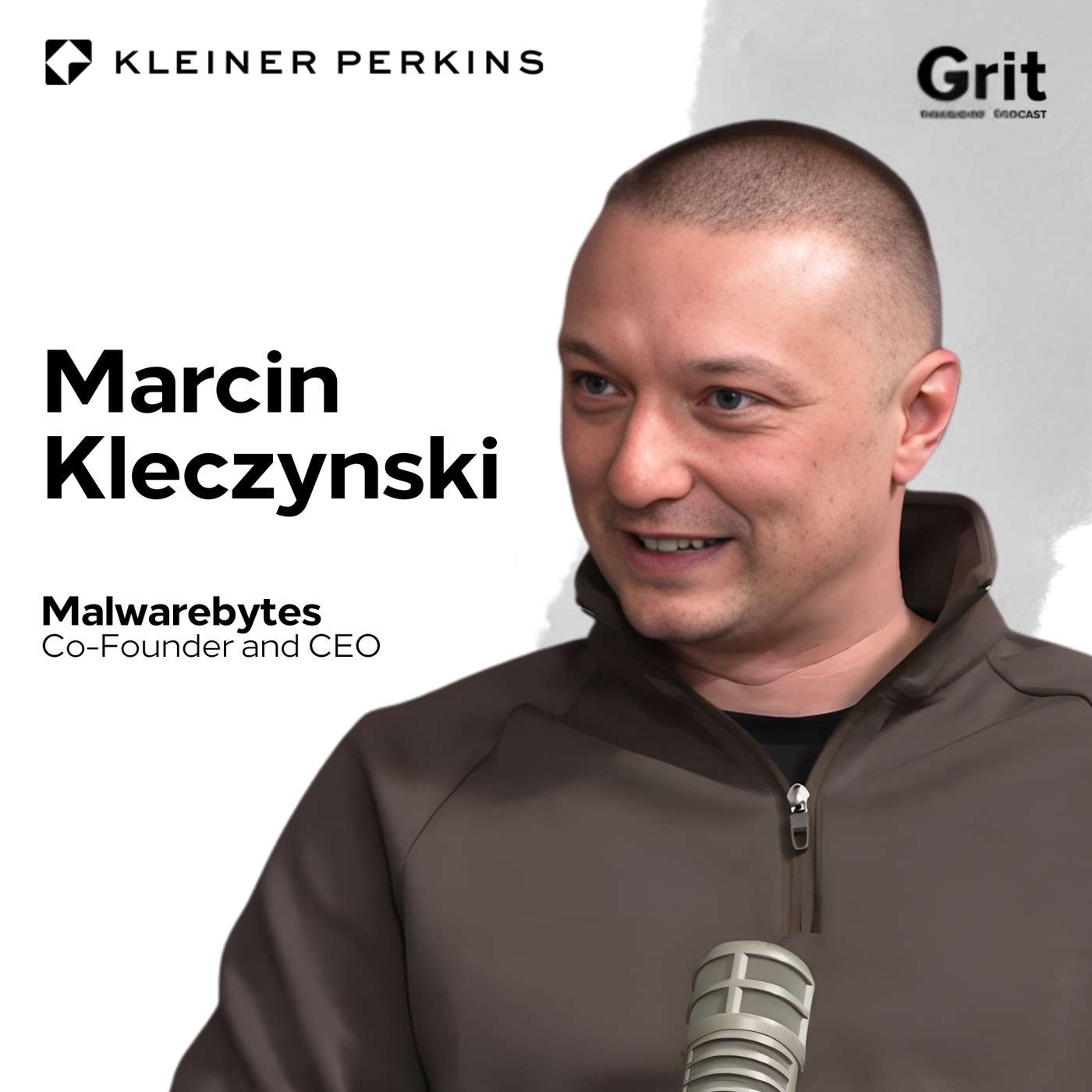
As a highly profitable business, Malwarebytes didn't need capital for operations. Instead, its three major funding rounds (VC, crossover, PE) were used entirely for secondary transactions, providing liquidity to early founders and investors without diluting the company or adding cash to the balance sheet.
Related Insights
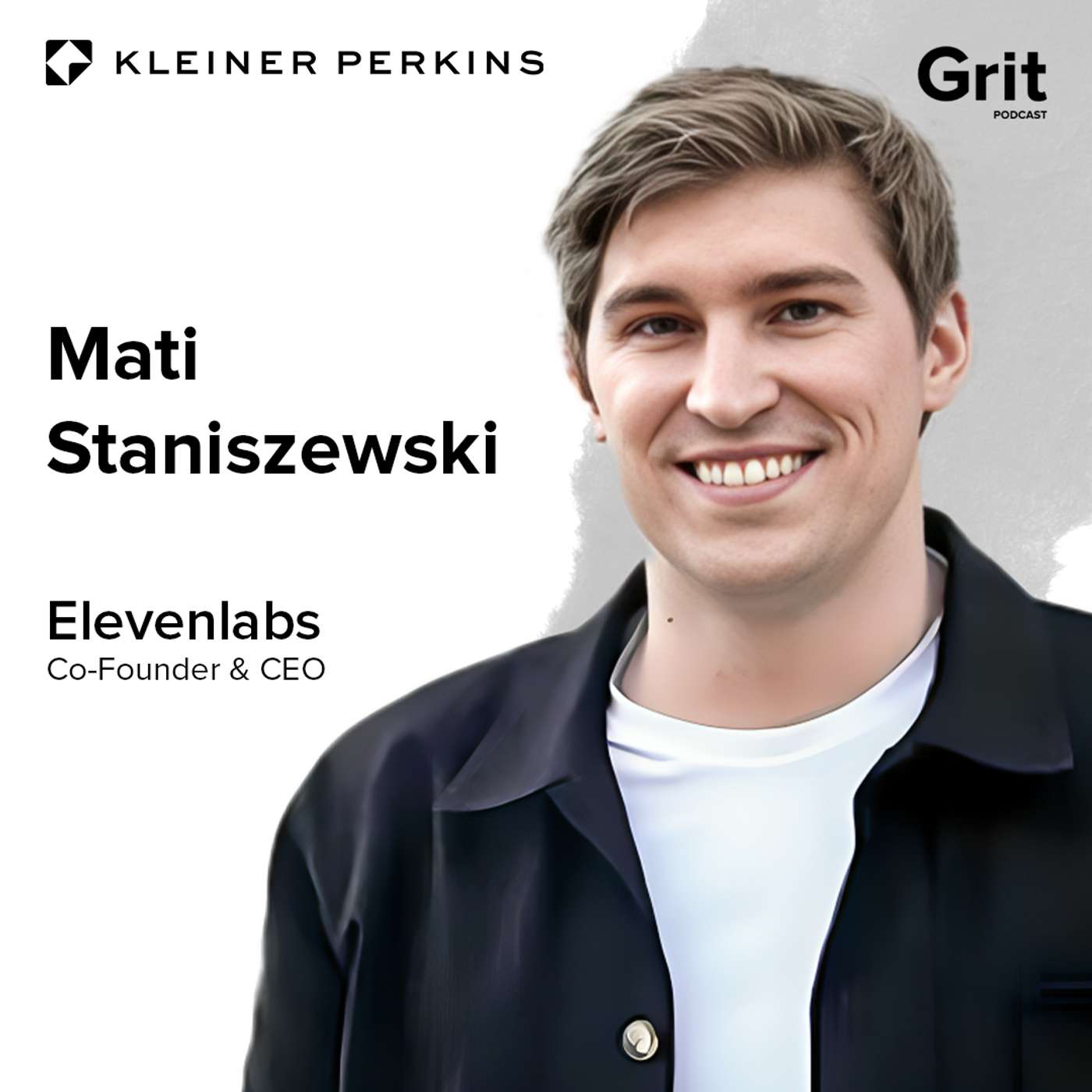
ElevenLabs raised a $100M round entirely for employee secondaries. The CEO's rationale is that by allowing early team members to de-risk and realize financial gains, it solidifies their commitment to the company's multi-year mission rather than creating pressure for a quick exit.
The traditional IPO exit is being replaced by a perpetual secondary market for elite private companies. This new paradigm provides liquidity for investors and employees without the high costs and regulatory burdens of going public. This shift fundamentally alters the venture capital lifecycle, enabling longer private holding periods.

In a market obsessed with fundraising as validation, the best performers can be companies that fly under the radar. A non-AI portfolio company is profitable at $15M ARR and growing 40% monthly without further funding, optimizing for low dilution and potentially becoming a top-quartile outcome.

Counter to the 2021 venture climate of growth-at-all-costs, Sure operated with a private equity-like discipline. They raised a $100M Series C when they were already profitable and hadn't spent any of their Series B funds. This capital efficiency provided the freedom to control their own destiny and make long-term decisions.

Taking a small amount of money off the table via a secondary sale de-risks a founder's personal finances. This financial security empowers them to reject large acquisition offers and pursue a long-term, independent vision without the pressure of life-changing personal wealth decisions.
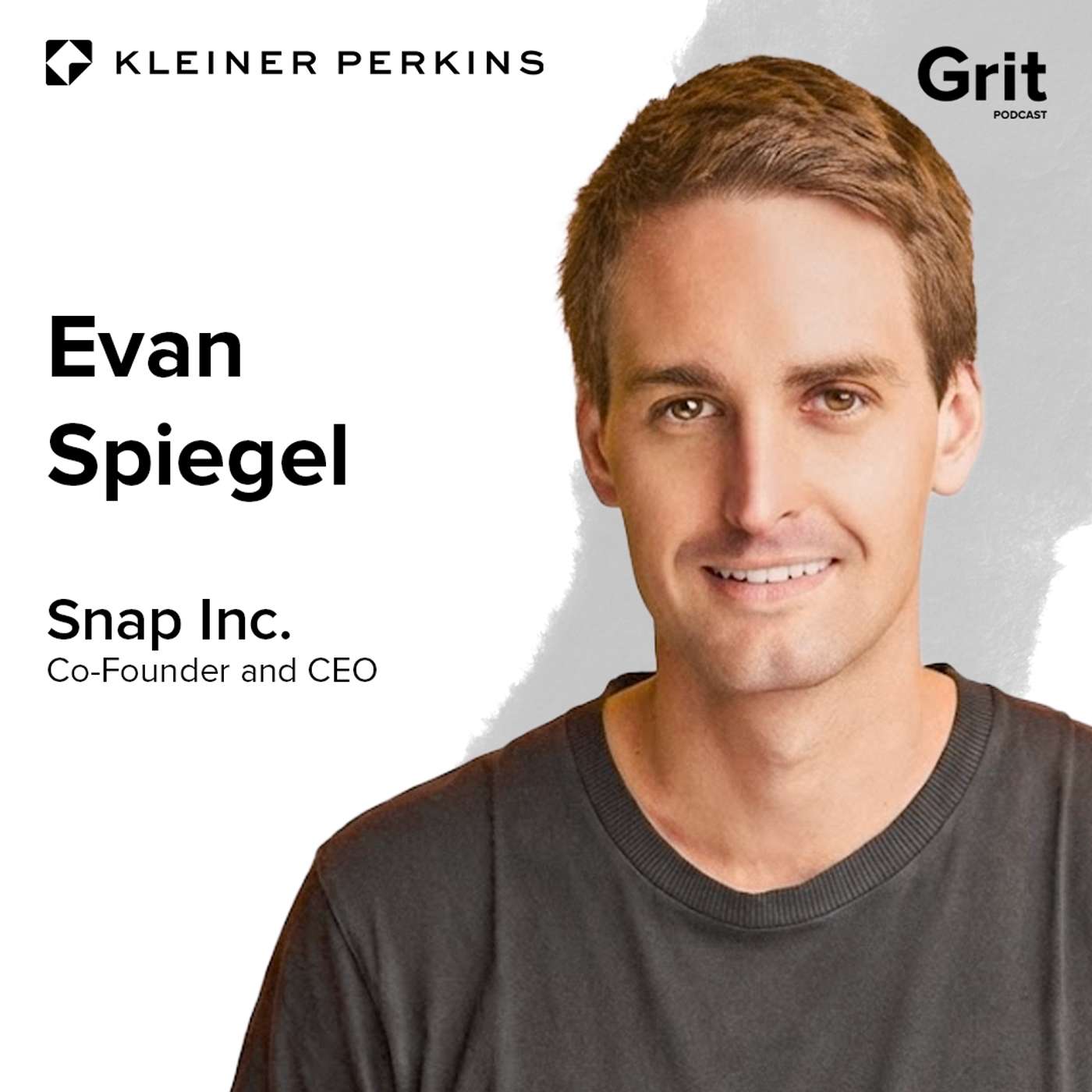
Top companies like Stripe or SpaceX can stay private forever by using robust secondary markets to provide liquidity to employees and investors. This allows them to focus on long-term growth without the burdens of public company reporting and quarterly profit pressures.

For high-growth companies, reaching a $100M ARR milestone no longer automatically triggers IPO plans. With abundant private capital, many founders now see going public as an unnecessary burden, preferring to avoid SEC reporting and gain liquidity through private growth rounds.

Just as buyout funds began selling portfolio companies to other buyout funds post-2000, VCs now increasingly exit via secondary sales to other VC or PE firms. This has become a dominant liquidity path over traditional IPOs or strategic M&A.
The secondary market began after 2000 by buying failed corporate VC portfolios for 10-40 cents on the dollar. Today, it has completely flipped; sellers are healthy, and transactions are typically done at a gain, not a loss, making it a core liquidity path.
The number of founders taking secondary liquidity after their seed round is twice as high as the 2021 peak. While this de-risks the journey for founders, there is almost no parallel liquidity offered to early employees, creating a growing divide in early-stage risk and reward.
