Get your free personalized podcast brief
We scan new podcasts and send you the top 5 insights daily.
Contrary to the dominant media narrative, neuroscientist Carl Hart asserts that the vast majority of people using even the most vilified drugs are not addicted. They successfully manage their parental, occupational, and social responsibilities, challenging the idea that use inevitably leads to ruin.

Related Insights
Our brains are wired to release dopamine through social bonding via the hormone oxytocin. Addictions hijack this natural reward system, replacing deep human connection with a substance or behavior. A key part of recovery is reactivating this healthy pathway by moving out of isolation.

Individuals who maintain the longest recovery from addiction often commit to telling the truth in all matters, not just about their substance use. They see any small lie as the "first breach in the dam," compromising the psychological integrity required to prevent a relapse.
Up to 25% of people experience a euphoric response when taking opioids, a key driver of addiction. The risk is highest for the subset of this group (about 5-6% of the total population) who also have predisposed addictive tendencies. This shows how a prescribed medication can inadvertently lead to addiction in a vulnerable population segment.
The "disease model" of addiction is flawed because it removes personal agency. Addiction is more accurately understood as a behavioral coping mechanism to numb the pain of unresolved trauma. Healing requires addressing the root cause of the pain, not just treating the addiction as a brain defect.

A powerful definition of addiction is the gradual shrinking of a person's sources of joy. As the addiction takes hold, natural rewards like relationships, work, and hobbies fall away until the substance or behavior becomes the only thing left that provides a feeling of reward, creating a powerful psychological dependency.

Addiction isn't defined by the pursuit of pleasure. It's the point at which a behavior, which may have started for rational reasons, hijacks the brain’s reward pathway and becomes compulsive. The defining characteristic is the inability to stop even when the behavior no longer provides pleasure and begins causing negative consequences.
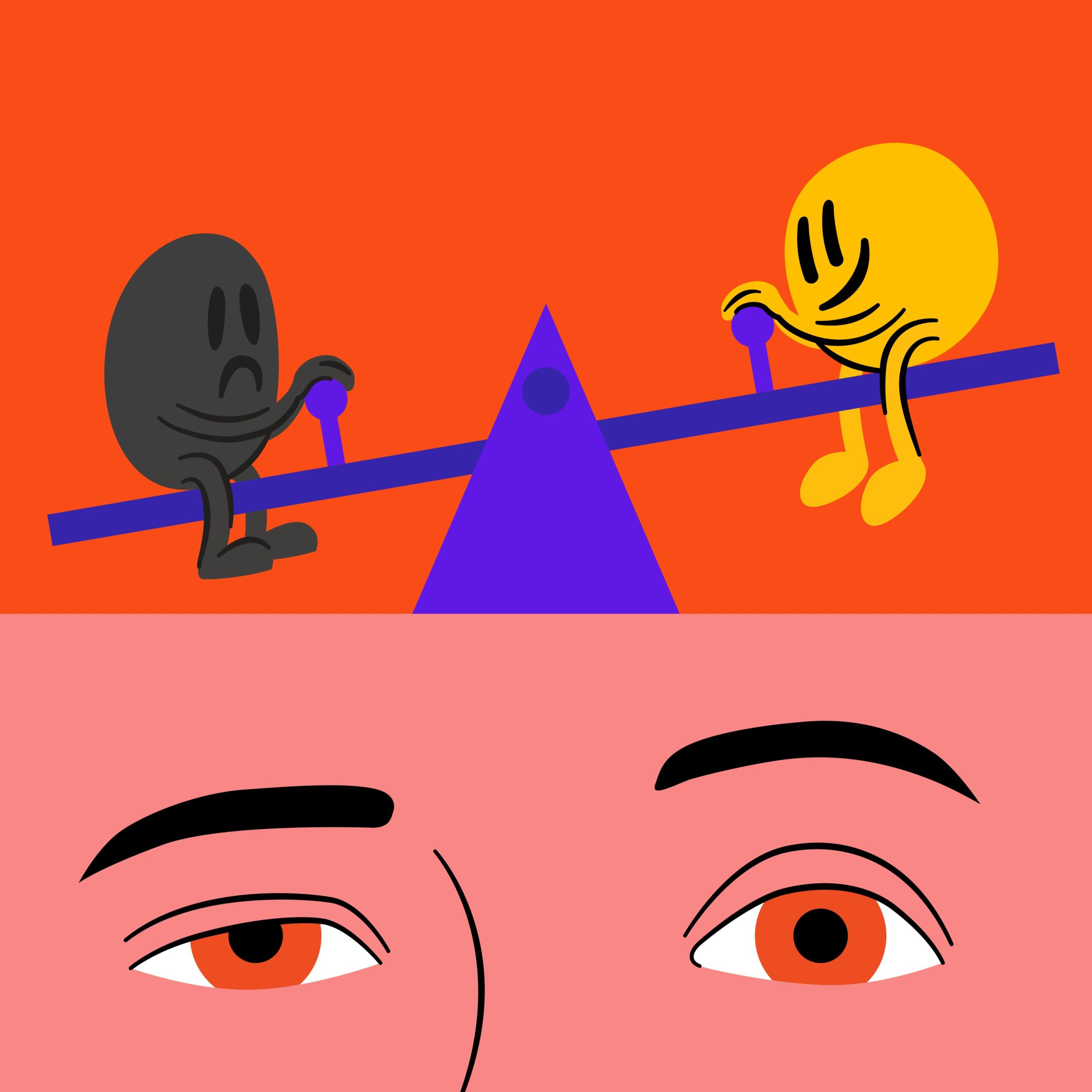
Neuroplasticity is not inherently positive. The same brain malleability that allows young people to easily learn new skills and languages also makes them exceptionally vulnerable to addiction. Starting a substance as a teenager is far more likely to lead to lifelong dependency than starting at an older age because the brain learns the addiction more deeply.
Genes linked to addiction, impulsivity, and aggression are most active during fetal development, affecting the brain's fundamental balance of inhibition and excitation. This reframes addiction and conduct disorders as neurodevelopmental conditions akin to ADHD, rather than purely as choices or moral failings.
A powerful experiment showed a rat will stop working to free a trapped peer if it can self-administer heroin instead. This demonstrates how high-dopamine drugs can hijack and override our innate drive for social connection, causing people to deviate from their moral compass and stop caring about others.

Brain imaging studies show that the brain's reward circuitry (nucleus accumbens) activation in response to drug cues is a more accurate predictor of relapse than the person's own stated commitment to sobriety. This highlights a powerful disconnect between conscious desire and deeply ingrained, subconscious cravings.