Get your free personalized podcast brief
We scan new podcasts and send you the top 5 insights daily.
The company initially tracked vanity metrics like message counts and tokens used. They quickly pivoted to measuring AI's success by its tangible business impact, such as increased partner-facing time and the number of workflows automated, avoiding the trap of rewarding mere activity.

Related Insights
The success of AI in marketing should not be measured by the quantity of content or ideas generated, which can create chaos. Instead, leaders must track its impact on core business metrics like revenue growth and operational efficiency. The goal is enabling a 10-person team to operate with the impact of a 100-person team.

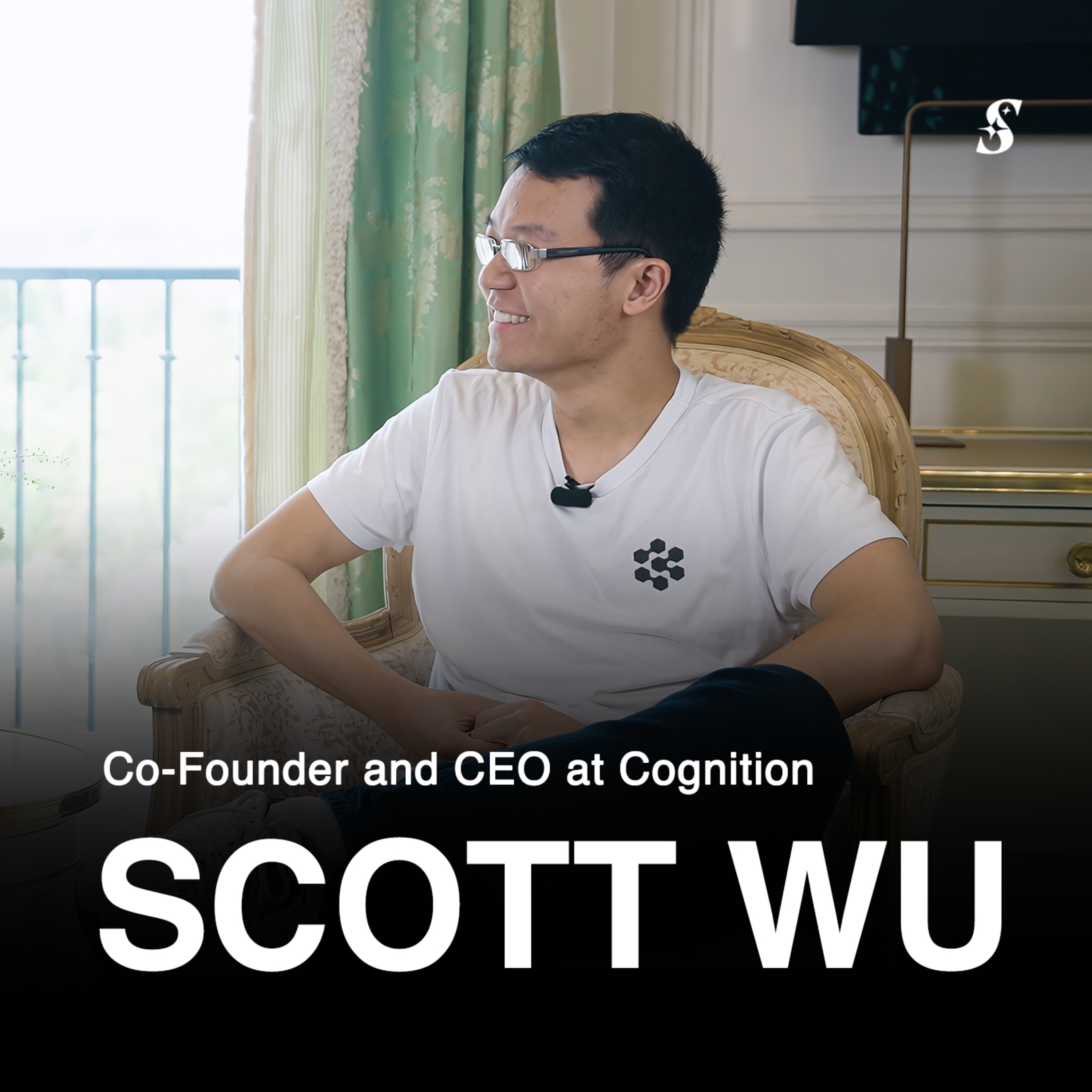
CEO Scott Wu dismisses "literal tokens" as a vanity metric for AI productivity. Instead, Cognition measures the impact of its AI agent, Devin, by tracking core business KPIs and customer outcomes. This shifts the focus from raw output to tangible business value and ROI.
As AI bots inflate engagement metrics like views and likes, these numbers will become meaningless. The only way to measure marketing success will be to track direct business outcomes, such as sales or leads. If the desired results happen, the inflated metrics don't matter.

Marketing leaders mistakenly focus on the percentage of their team using AI, which is a flawed metric. Usage doesn't correlate with impact or quality of work. The focus should be on how AI is used to achieve specific, measurable outcomes, not on adoption for its own sake.

Traditional product metrics like DAU are meaningless for autonomous AI agents that operate without user interaction. Product teams must redefine success by focusing on tangible business outcomes. Instead of tracking agent usage, measure "support tickets automatically closed" or "workflows completed."

According to Mike Cannon-Brookes, advanced enterprises are not tracking AI success by counting tokens. Instead, they are asking harder questions about overall output, such as engineering productivity and quality. They understand that high token usage doesn't always correlate with high productivity, shifting focus from raw usage to tangible business outcomes.

While AI tools dramatically increase content production speed, true ROI is not measured in output. Leaders should track incremental engagement, conversion lift, and revenue per message. An often overlooked KPI is brand consistency—how often content passes governance checks on the first try.

To justify AI investments, marketing must move beyond vanity metrics like open rates. Adopting a CFO's financial language and measuring revenue-focused KPIs like lifetime value and churn reduction makes conversations about AI's ROI tangible and aligns marketing with executive priorities.

Open and click rates are ineffective for measuring AI-driven, two-way conversations. Instead, leaders should adopt new KPIs: outcome metrics (e.g., meetings booked), conversational quality (tracking an agent's 'I don't know' rate to measure trust), and, ultimately, customer lifetime value.

Vanity metrics like "AI lines of code" are misleading. Coinbase measures AI success by its impact on the end-to-end development cycle: the total time from a ticket's creation to the change landing with a user. This metric holistically captures gains and focuses the team on true velocity.
