Get your free personalized podcast brief
We scan new podcasts and send you the top 5 insights daily.
The least intrusive way to introduce ads into LLMs is during natural pauses, such as the wait time for a "deep research" query. This interstitial model offers a clear value exchange: the user gets a powerful, free computation sponsored by an advertiser, avoiding disruption to the core interactive experience.
Related Insights
GenAI transforms advertising's core pillars. It enables hyper-personalized creatives at scale, democratizes ad production for smaller businesses, and fundamentally enhances the two most critical functions of any ad platform: predicting user behavior and measuring campaign outcomes.

As users increasingly interact with voice-first AI assistants, the traditional digital advertising model faces a major disruption. With no screen to display ads, companies that rely on visual ad revenue, like Google, must find new ways to monetize these interactions without ruining the user experience.
OpenAI faced significant user backlash for testing app suggestions that looked like ads in its paid ChatGPT Pro plan. This reaction shows that users of premium AI tools expect an ad-free, utility-focused experience. Violating this expectation, even unintentionally, risks alienating the core user base and damaging brand trust.
While competitors focus on subscription models for their AI tools, Google's primary strategy is to leverage its core advertising business. By integrating sponsored results into its AI-powered search summaries, Google is the first to turn on an ad-based revenue model for generative AI at scale, posing a significant threat to subscription-reliant players like OpenAI.

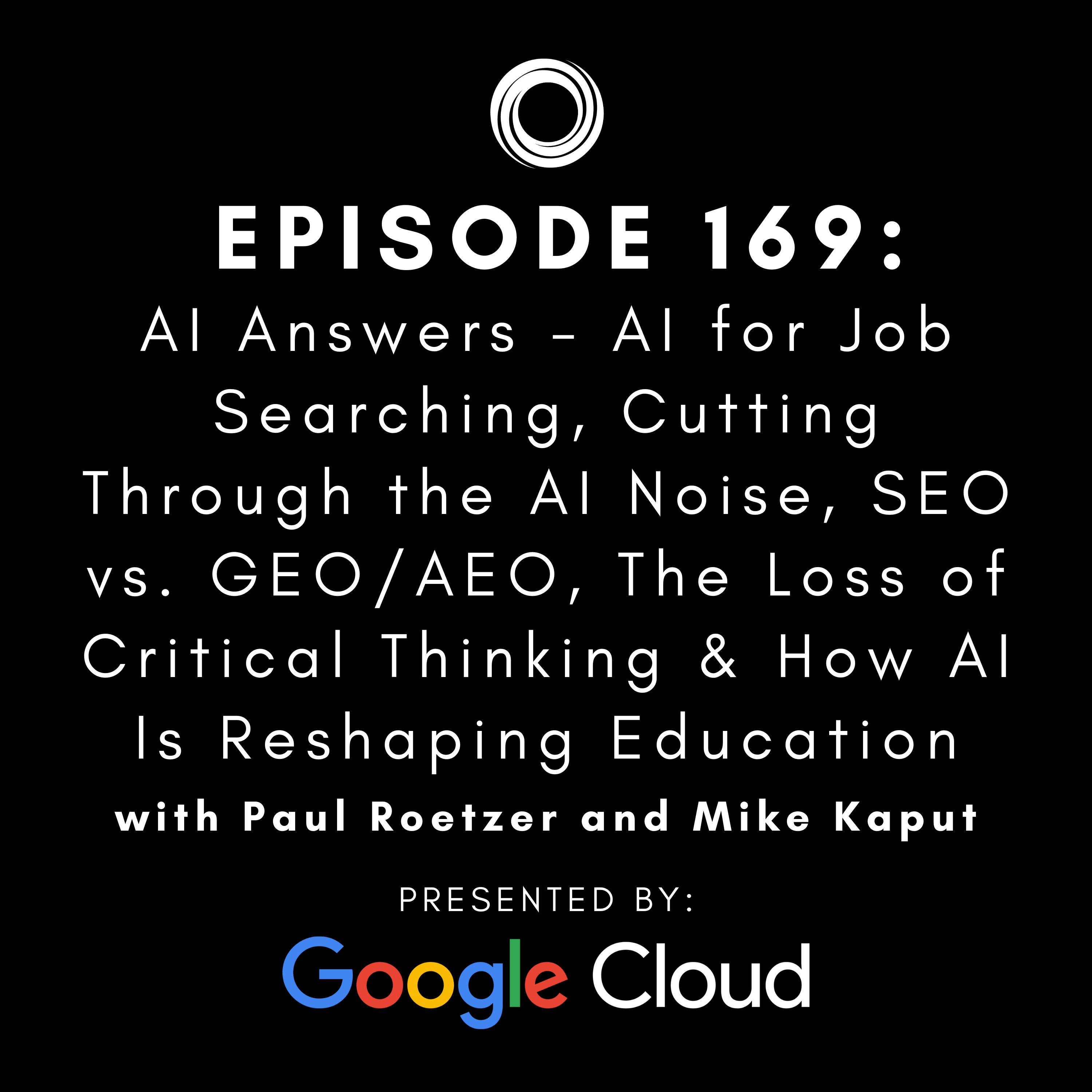
As competitors like Google's Gemini close the quality gap with ChatGPT, OpenAI loses its unique product advantage. This commoditization will force them to adopt advertising sooner than planned to sustain their massive operational costs and offer a competitive free product, despite claims of pausing such efforts.
Traffic driven by answer engines is significantly more qualified. Webflow observed a 600% higher conversion rate from LLM referrals compared to traditional search. This is likely because users have higher intent after a detailed conversational query process, making AEO a highly valuable channel.
AEO is not about getting into an LLM's training data, which is slow and difficult. Instead, it focuses on Retrieval-Augmented Generation (RAG)—the process where the LLM performs a live search for current information. This makes AEO a real-time, controllable marketing channel.
To avoid the trust erosion seen in traditional search ads, Perplexity places sponsored content in the 'suggested follow-up questions' area, *after* delivering an unbiased answer. This allows for monetization without compromising the integrity of the core user experience.

Marketers must evolve from SEO to GEO, optimizing content for how brands appear in LLM results. This requires a new content strategy that treats the LLM as a distinct persona or channel, creating content specifically for it to crawl and ensuring accurate brand representation.
Instead of short-term data licensing deals, Perplexity is building a publisher program that shares ad revenue on a query-level basis. This Spotify-inspired model creates a long-term, symbiotic relationship, incentivizing publishers to partner with the AI platform.