Get your free personalized podcast brief
We scan new podcasts and send you the top 5 insights daily.
Markets, technologies, and companies change constantly. The one constant is the human operating system—our biases, emotions, and irrationality. The ability to systematically trade against predictable human behavior is an enduring source of alpha.

Related Insights
With information now ubiquitous, the primary source of market inefficiency is no longer informational but behavioral. The most durable edge is "time arbitrage"—exploiting the market's obsession with short-term results by focusing on a business's normalized potential over a two-to-four-year horizon.

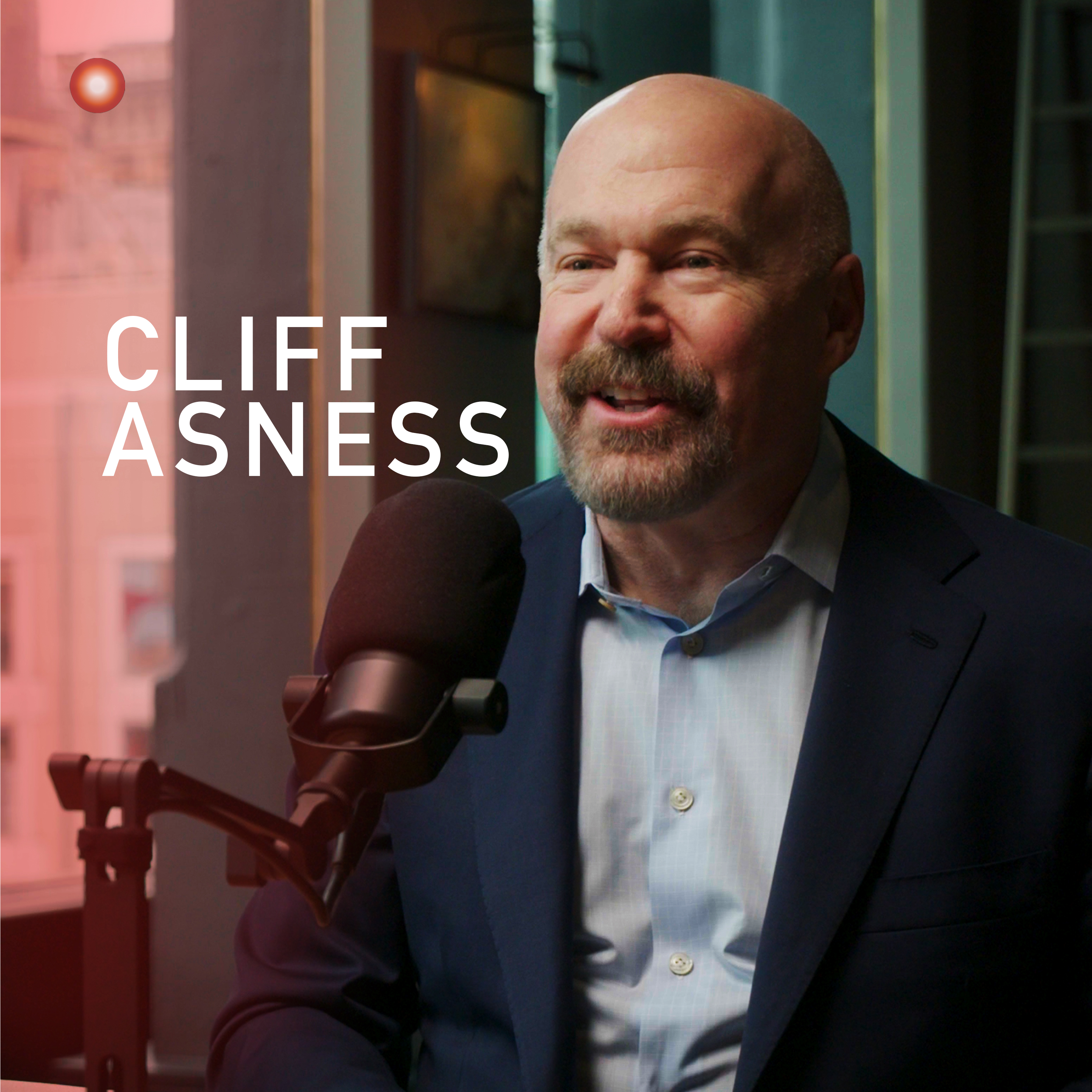
Cliff Asness argues that quant strategies like value investing persist through all technological eras because their true edge is arbitraging consistent human behaviors like over-extrapolation. As long as people get swept up in narratives and misprice assets, the quantitative edge will remain.
Post-mortems of bad investments reveal the cause is never a calculation error but always a psychological bias or emotional trap. Sequoia catalogs ~40 of these, including failing to separate the emotional 'thrill of the chase' from the clinical, objective assessment required for sound decision-making.

To achieve above-average investment returns, one cannot simply follow the crowd. True alpha comes from contrarian thinking—making investments that conventional wisdom deems wrong. Rubenstein notes the primary barrier is psychological: overcoming the innate human desire to be liked and the fear of being told you're 'stupid' by your peers.

The maxim "buy low, sell high" is psychologically hard because it forces you to act against the crowd's emotional consensus. It's like flying by instruments when everyone else is calm and looking out the window. This act of trusting abstract data over social proof feels deeply unnatural for humans.

David Kaiser suggests that as AI becomes ubiquitous in investing, a "tiptoes at a parade" problem emerges where no one gains an edge. By intentionally not using AI to constantly evolve his process, he believes his firm can be differentiated. The alpha may lie in the systematic, old-school approach that AI-driven consensus overlooks.

Financial history rhymes because the underlying driver—human nature—is constant. Core desires for wealth, recognition, and love, along with the fear of pain and envy of others' success, have remained unchanged for millennia. These emotions will continue to fuel bubbles and crashes, regardless of new technologies or financial instruments.

As quantitative models and AI dominate traditional strategies, the only remaining source of alpha is in "weird" situations. These are unique, non-replicable events, like the Elon Musk-Twitter saga, that lack historical parallels for machines to model. Investors must shift from finding undervalued assets to identifying structurally strange opportunities where human judgment has an edge.
Amateurs playing basketball compete on a horizontal plane, while NBA pros add a vertical dimension (dunking). Similarly, individual investors cannot beat quantitative funds at their game of speed, data, and leverage. The only path to winning is to change the game's dimensions entirely by focusing on "weird," qualitative factors that algorithms are not built to understand.
Finance is one of the only fields where behavior is more important than knowledge. An amateur with no formal training but immense patience can financially outperform a highly educated expert who succumbs to fear and greed. It's not about what you know; it's about how you act.
