Get your free personalized podcast brief
We scan new podcasts and send you the top 5 insights daily.
The effectiveness of Ukrainian defense technology comes from its ability to dramatically lower the 'cost per shot' by orders of magnitude compared to legacy systems. This demonstrates that financial efficiency and adaptability, not just advanced features, are decisive on the modern battlefield.

Related Insights
The Ukrainian conflict demonstrates the power of a fast, iterative cycle: deploy technology, see if it works, and adapt quickly. This agile approach, common in startups but alien to traditional defense, is essential for the U.S. to maintain its technological edge and avoid being outpaced.

The conflict in Ukraine exposed the vulnerability of expensive, "exquisite" military platforms (like tanks) to inexpensive technologies (like drones). This has shifted defense priorities toward cheap, mass-producible, "attritable" systems. This fundamental change in product and economics creates a massive opportunity for startups to innovate outside the traditional defense prime model.
Russia's use of cheap drones creates a significant economic and strategic challenge for NATO. The current defensive approach is financially unsustainable, as seen when Poland used a million-dollar missile on a cheap drone. This asymmetry is forcing Europe to develop new, low-cost interception methods, such as a continent-wide "drone wall".
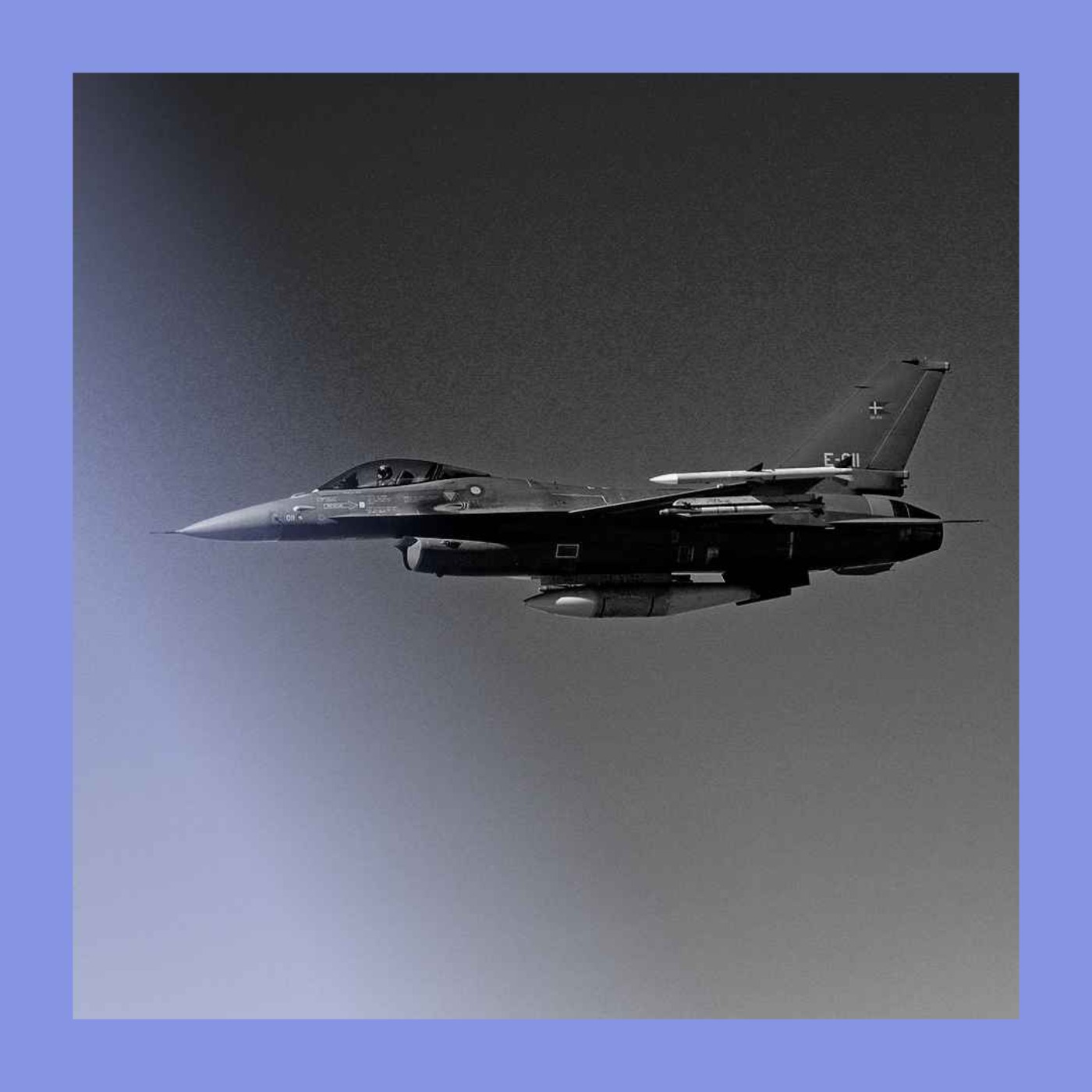
The venture capital mantra that "hardware is hard" is outdated for the American Dynamism category. Startups in this space mitigate risk by integrating off-the-shelf commodity hardware with sophisticated software. This avoids the high capital costs and unpredictable sales cycles of consumer electronics.

Traditionally a defensive strength, Russia's immense size makes it nearly impossible to provide adequate air defense for its sprawling network of almost 40 major oil refineries. This geographic vulnerability allows Ukraine to inflict significant, widespread economic damage with low-cost, long-range drones that are difficult to counter.

The DoD's critical tech priorities, like hypersonics and directed energy, focus on scaling. The goal is to transform expensive, "exquisite" systems into cheaper, mass-producible assets, shifting the cost-benefit analysis of modern warfare.

Instead of slow, bureaucratic rearmament, Germany could apply an 'Operation Warp Speed' model to its defense industry. By mass-producing Ukraine’s innovative drone designs at scale, Germany would not only create a powerful deterrent against Russia but also trigger its own economic recovery, a decisive strategic win-win.

Silicon Valley investors are backing companies building cheap, quickly manufacturable, and expendable ("attritable") systems like autonomous boats. The core innovation is the ability to rapidly scale production from one to 10,000 units, fundamentally changing warfighting economics away from expensive, long-cycle platforms like aircraft carriers.

The war in Ukraine has evolved from a traditional territorial conflict into a "robot war," with drones dominating the front lines. This real-world battlefield is accelerating innovation at an "unbelievable" pace, driving new solutions for secure communications and autonomous targeting, providing critical lessons for US drone strategy.

The US military's 30-year strategy, born from the Gulf War, of relying on small numbers of technologically superior weapons is flawed. The war in Ukraine demonstrates that protracted, industrial-scale conflicts are won by mass and production volume, not just technological sophistication.