Get your free personalized podcast brief
We scan new podcasts and send you the top 5 insights daily.
A key learning from Sweetgreen's wrap launch was that customers prefer ingredients to be mixed before being rolled. While seemingly a tiny detail, this decision created significant operational implications, requiring changes to their workflow and kitchen design to ensure a consistent customer experience with every bite.

Related Insights
The refusal to add menu items isn't just about "doing one thing well"; it's a strategic choice to maximize speed. More options, like a spicy chicken or different sauces, would add decision-making time for customers and operational complexity in the kitchen, slowing down the entire service model.

By introducing wraps, Sweetgreen is attempting to transition from a brand known for sit-down salads to a convenience player for on-the-go customers. The core strategic risk is whether this move will attract a new customer segment or simply convince existing salad buyers to switch, potentially cannibalizing sales.

Todd Graves resists adding trendy items like spicy chicken because it would break his operational model. Increased complexity would force a shift from a fresh, cook-to-order system to using holding bins, which would degrade both food quality and service speed—the brand's core differentiators.

Feel Goods learned that perfecting a formula in a kitchen is misleading. Moving to a manufacturer introduces new suppliers and larger ingredient quantities, which drastically alters the final product's taste and consistency. This makes initial small-batch R&D far less valuable for scaling.
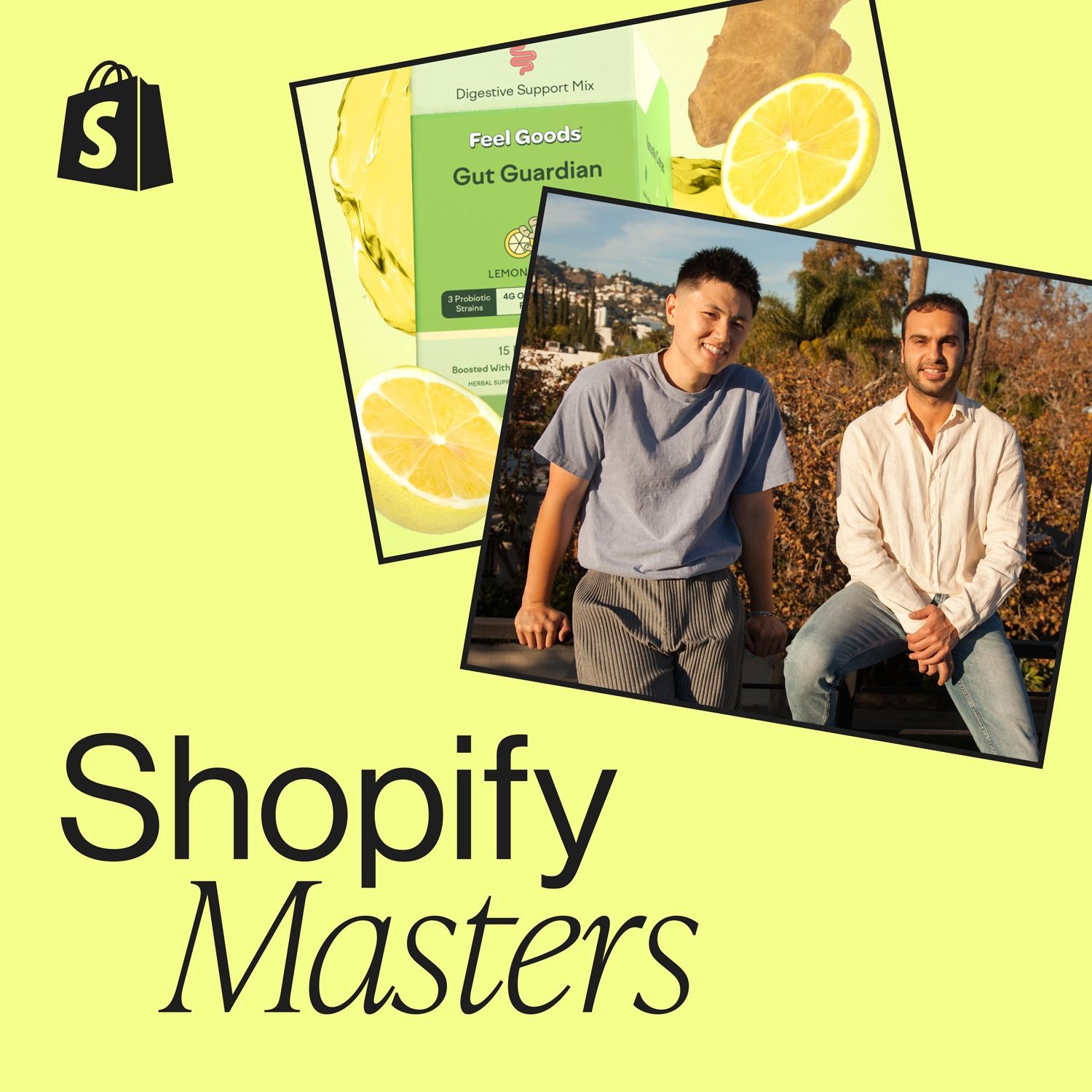
When a product requires more user effort than competitors, frame that effort as a core benefit. For a complex baking kit, the longer prep time becomes a feature—an intentional 'flavor journey' and a chance to slow down, turning a potential negative into a premium experience.
Cava achieves double the profitability of competitor Sweetgreen through superior operational efficiency. Its hummus-based bowls allow for centralized kitchen production and longer shelf life, drastically reducing on-site labor costs and food waste compared to made-to-order salads with perishable greens.
Creating a "Chipotle for X cuisine" fails because maintaining quality control becomes exponentially harder with each new location. The challenge isn't the initial concept, but preventing inconsistent quality in food and service as you scale, which erodes customer trust and retention.
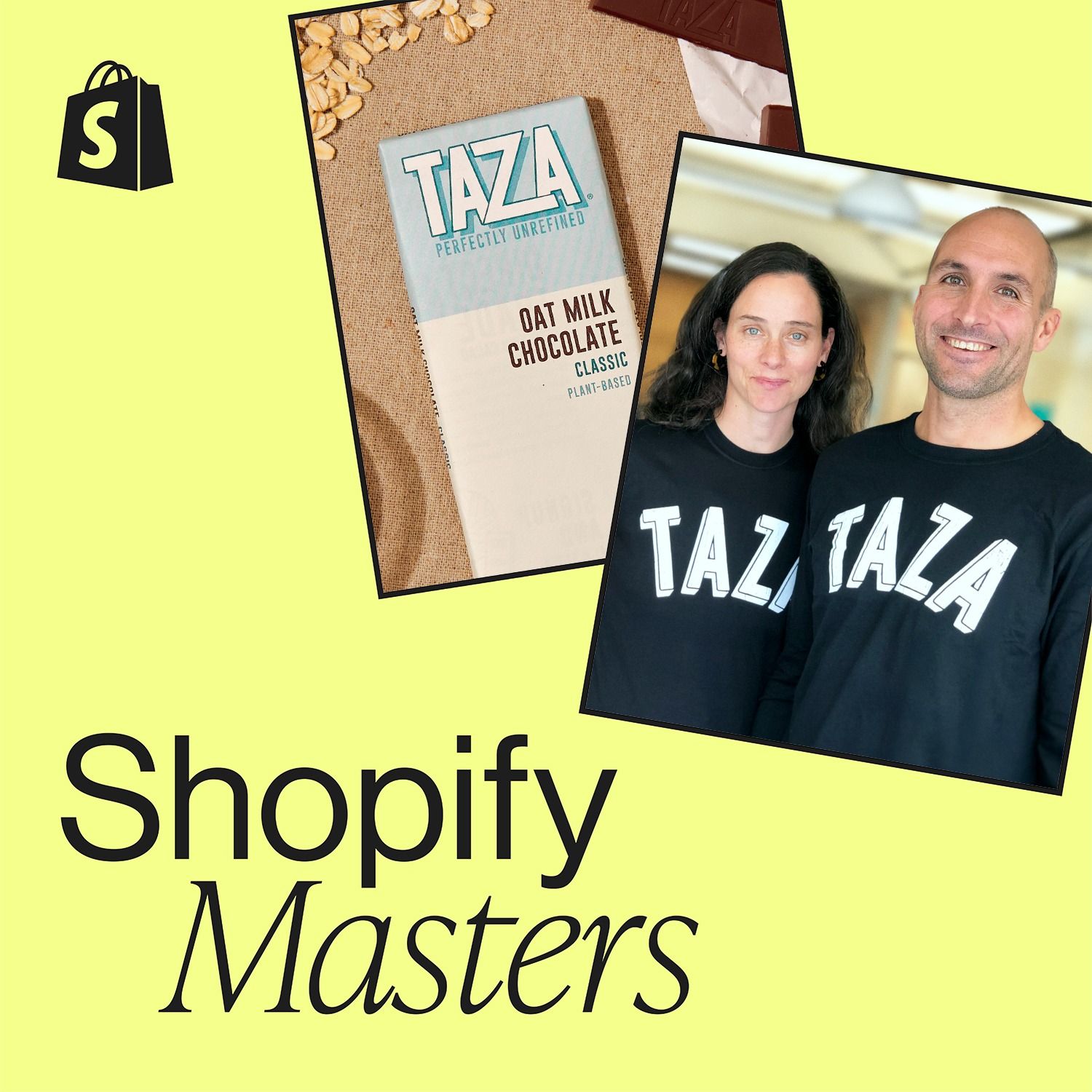
Taza avoided dairy and gluten not for a market trend, but to simplify a complex manufacturing process. This early operational decision inadvertently positioned them perfectly for the future rise of vegan and allergen-free consumer demands, creating a long-term competitive advantage they didn't foresee.
Innovation is often stifled when product design is dictated by existing manufacturing limitations. Indra Nooyi forced a breakthrough with Sun Chips by rejecting the factory's default chip size. She mandated a redesign based on the consumer's experience, forcing manufacturing to adapt rather than allowing its constraints to define the product.
Chipotle made its popular quesadilla a digital-only menu item because it slowed down the physical service line. This highlights a critical business principle: a great marketing or product innovation that compromises the core operational efficiency of the business is ultimately a value-destructive idea and must be modified or rejected.
