Get your free personalized podcast brief
We scan new podcasts and send you the top 5 insights daily.
Todd Graves resists adding trendy items like spicy chicken because it would break his operational model. Increased complexity would force a shift from a fresh, cook-to-order system to using holding bins, which would degrade both food quality and service speed—the brand's core differentiators.

Related Insights
Contrary to industry trends, Todd Graves views LTOs as a net negative. He argues they create operational drag, forcing managers to focus on temporary training and marketing instead of core operations. This leads to frustrated crews and a subsequent decline in everyday customer service quality.
The margins of a single restaurant are too thin to justify the operational complexity and stress. Profitability and a sustainable business model emerge only when you scale to multiple locations, allowing you to amortize fixed costs and achieve operational efficiencies.

The number one US sit-down chain, Texas Roadhouse, succeeds by defying the industry trend of using pre-prepared frozen food. Its competitive advantage comes from two key factors: performing scratch cooking in-house (e.g., cutting vegetables) and maximizing table turnover with a high server-to-table ratio.

The most critical insights for Chili's revival came not from consumers, but from its 70,000 employees. Their feedback on operational friction and guest interactions directly fueled simplification, menu changes, and investments that improved the customer experience.

Resist the common marketing urge to stack features or "reasons to believe." Like the fast-growing Five Guys burger chain, focusing on a single, excellent offering can create a stronger brand and attract more customers than trying to appeal to everyone with a wide-ranging menu of products.

Persisting with a difficult, authentic, and more expensive production process, like using fresh ingredients instead of flavorings, is not a liability. It is the very thing that builds a long-term competitive advantage and a defensible brand story that copycats cannot easily replicate.
Despite data showing high demand, Hallie Meyer instinctively "presses the brakes" on scaling her ice cream business. She fears that rapid growth could "burst the bubble of obsession" customers have with the product and its intimate experience, consciously prioritizing brand love over immediate expansion.

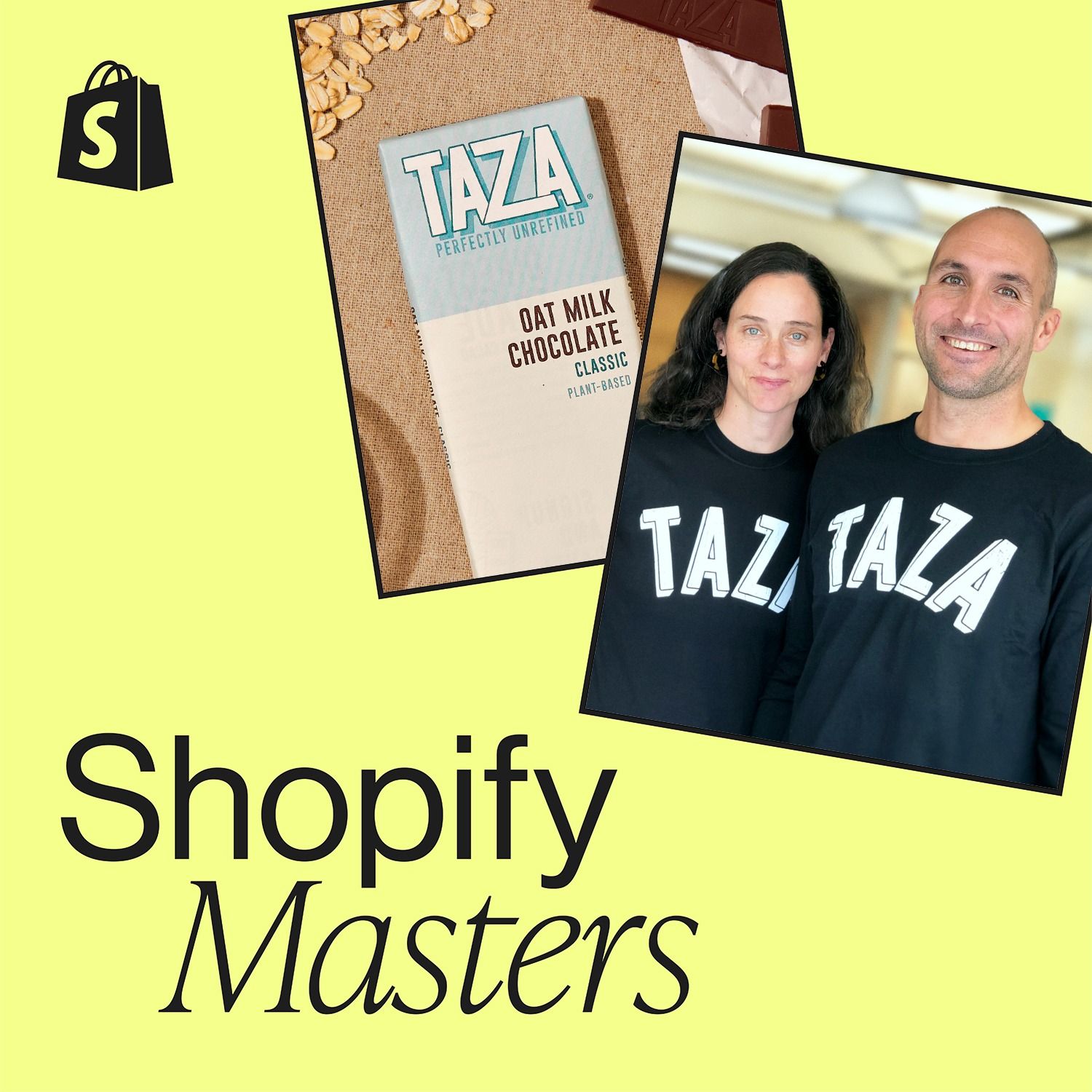
Taza avoided dairy and gluten not for a market trend, but to simplify a complex manufacturing process. This early operational decision inadvertently positioned them perfectly for the future rise of vegan and allergen-free consumer demands, creating a long-term competitive advantage they didn't foresee.
Chipotle made its popular quesadilla a digital-only menu item because it slowed down the physical service line. This highlights a critical business principle: a great marketing or product innovation that compromises the core operational efficiency of the business is ultimately a value-destructive idea and must be modified or rejected.
Todd Graves explains that while his franchisees were exceptional (rated 85/100), they couldn't match the meticulous quality of corporate-run stores (95/100). This gap, plus the inefficiency of implementing changes across a franchise system, drove his preference for corporate ownership to maintain ultimate brand integrity.