Get your free personalized podcast brief
We scan new podcasts and send you the top 5 insights daily.
Innovation is often stifled when product design is dictated by existing manufacturing limitations. Indra Nooyi forced a breakthrough with Sun Chips by rejecting the factory's default chip size. She mandated a redesign based on the consumer's experience, forcing manufacturing to adapt rather than allowing its constraints to define the product.

Related Insights
Birdies was founded as an indoor-only slipper brand. When customers began wearing them outside, founder Bianca Gates had to abandon her original vision. The company's massive growth came only after she surrendered and pivoted the product to meet this unexpected user demand.

To launch sanitary pads in a culturally conservative India, Indra Nooyi's success was enabled by her male bosses, who listened to sensitive product feedback without making her feel embarrassed. This shows that leaders must actively create a safe space for uncomfortable conversations to unlock innovation in challenging markets.
A coach's criticism about athletes training barefoot—a threat to a shoe company—sparked an "aha moment." Instead of dismissing it, Nike innovated by creating a shoe that replicated the benefits of barefoot running, thereby capturing the user's intent and creating a new product category.

Sundial founder Julie Zhu intentionally avoids hiring product managers. This constraint forces engineers to take full ownership of the product definition and user value, preventing them from delegating critical product thinking and developing a stronger sense of customer empathy.

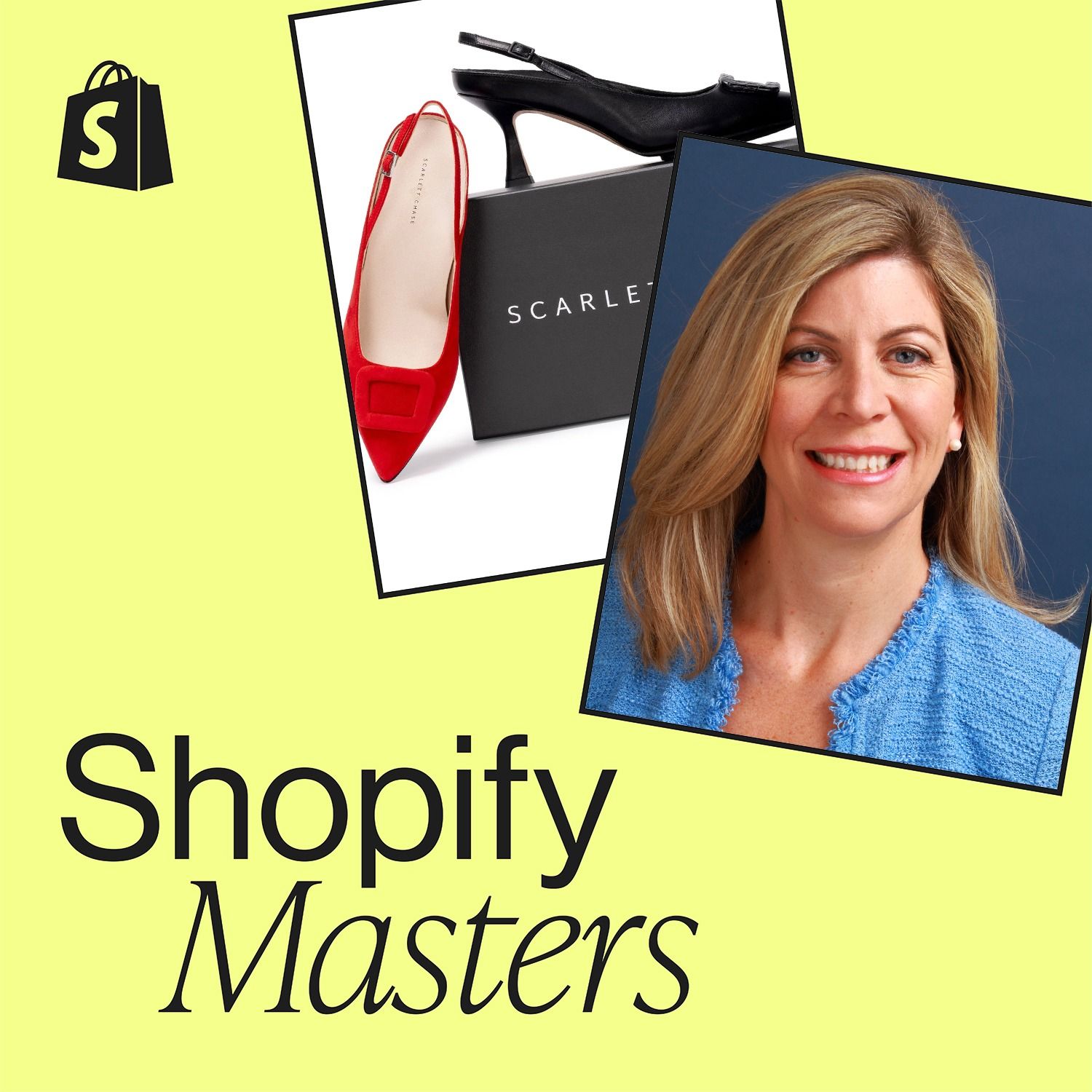
Innovating in a traditional sector requires a two-front battle. While educating consumers is an expected challenge, the founder of Scarlet Chase found an equal, if not greater, hurdle in convincing her high-end Italian manufacturing partners to integrate 'bulky' orthotics and rubber soles into their traditional luxury shoemaking process.
True product rebellion isn't disruption for its own sake. It's upholding user needs—which ultimately serve the company—against short-term schemes or departmental politics. This requires strategically giving ground on minor issues to maintain momentum on the most important, long-term goals.

A key breakthrough for Au Bon Pain was realizing customers didn't just want bread; they wanted sandwiches. By seeing their core product (the baguette) as a platform for a larger "job to be done" (a convenient, quality lunch), they unlocked massive growth. This empathetic shift in perspective is a powerful tool for innovation.

Inspired by James Dyson, Koenigsegg embraces a radical commitment to differentiation: "it has to be different, even if it's worse." This principle forces teams to abandon incremental improvements and explore entirely new paths. While counterintuitive, this approach is a powerful tool for escaping local maxima and achieving genuine breakthroughs.

Innovation isn't random. Pampers' wetness indicator solves a clear problem: parents need to know if a diaper is wet, but the existing option (taking it off) is inefficient. By identifying this unavoidable task and its bad workaround, the exact shape for a winning new feature becomes clear.

Instead of just creating an 'athleisure' line because it's popular, Hanes identified specific problems—like chafing—that consumers experience during movement. They then designed products with features like anti-chafe panels, directly linking innovation to their core brand promise of comfort.
