Get your free personalized podcast brief
We scan new podcasts and send you the top 5 insights daily.
When her editor delivered devastating feedback, Leahy didn't just make the requested edits. She converted the criticism into a "what not to do again" checklist. She then applied this system to her next book, making it so clean it was published early, transforming her editor's perception of her.

Related Insights
Encouragement feels good, but it doesn't foster growth. Actively seek out harsh, detailed feedback from trusted sources. Eight pages of notes on why a script "sucks" is more valuable than a hundred compliments because it provides a clear, actionable roadmap for improvement and accelerates your progress.

In his first Wall Street Journal internship, Ben Cohen's editor completely rewrote his story. This brutal but effective feedback immediately taught him the high standards required and accelerated his development as a writer.

Many writers view editing as a chore. Nick Thompson, CEO of The Atlantic, argues the opposite: editing is where the most creative work occurs. This is the phase where you confront core questions about audience, structure, and clarity, transforming raw ideas into a polished, impactful piece of communication.
Instead of writing in isolation, treat the creative process like software development. Heath created six 'versions' of his book, getting extensive reader feedback on five full drafts. This iterative approach, borrowed from agile, accelerates learning and dramatically improves the quality of the final product.
Instead of viewing a lowball offer from a traditional publisher as a failure, treat it as validation of your work's potential. Use that energy to 'double down' on self-publishing, competitively aiming to create a product superior to what they would have offered.
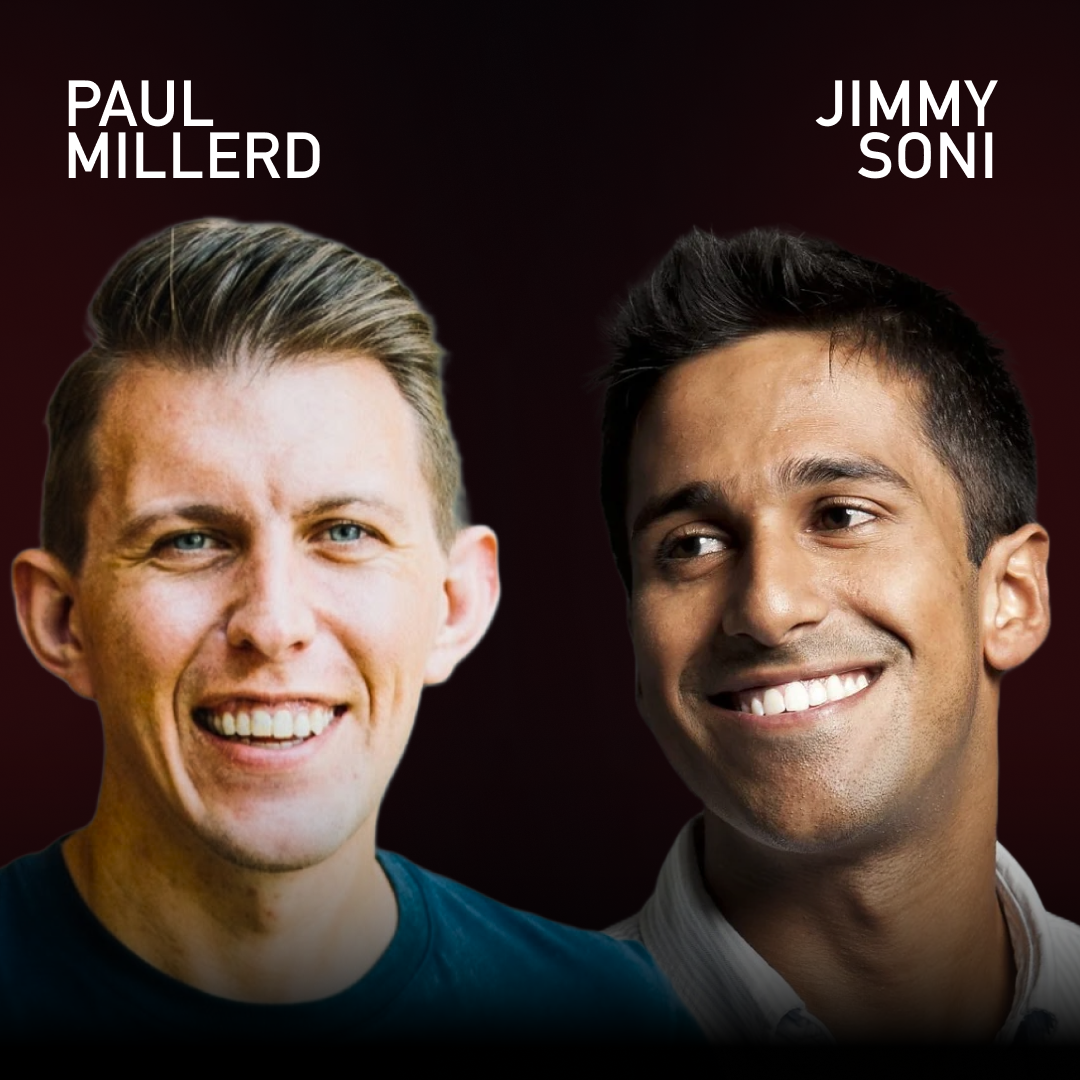
The host improved his fiction writing not by having AI generate text, but by prompting it to act as his "meanest but smartest critic." This adversarial feedback loop was more effective than any other tool for developing his voice.
Author Laura Belgray's editor criticized her early draft for lacking a point. Belgray learned she had to turn her anecdotes into true stories by finding the deeper meaning and takeaway in each one, asking herself, "Why am I telling this?" rather than just ending with "it was funny."

Instead of seeking feedback on a finished manuscript, authors can use a "writer's room" mid-process. Assembling a group to brainstorm and challenge plot points leads to a better final product because the author is less attached to the material and more open to fundamental changes.
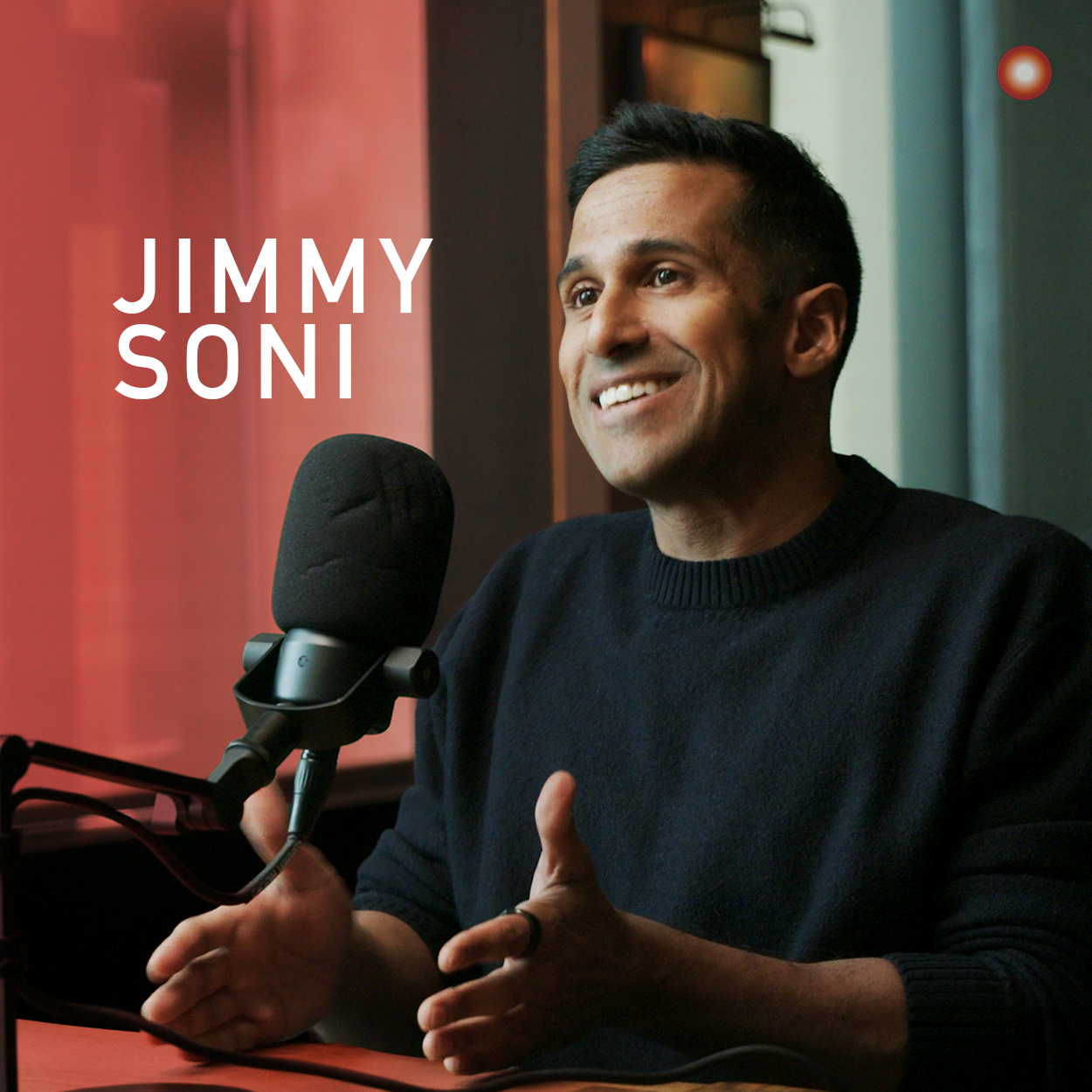
When writing his book, Steve Garrity hired a developmental editor who did more than proofread. The editor cut 40% of the text and restructured the entire story to begin at the emotional low point, rather than chronologically. This highlights that an editor's greatest value can be in re-architecting the narrative for maximum impact.
A writer learned to handle editorial feedback by thinking of it as "weather"—an unavoidable, impersonal part of the creative process. This perspective shift neutralizes the emotional reaction and allows one to focus on navigating the feedback constructively.