Get your free personalized podcast brief
We scan new podcasts and send you the top 5 insights daily.
Releasing intelligence, as done before the Ukraine invasion, effectively countered Russian false narratives. However, Burns warns this tool's power is eroding. Its credibility hinges on international trust in U.S. institutions, which is currently in decline.

Related Insights
A coming battle will focus on 'malinformation'—facts that are true but inconvenient to established power structures. Expect coordinated international efforts to pressure social media platforms into censoring this content at key chokepoints.

By pursuing an erratic foreign policy, the U.S. is pushing away traditional allies like the U.K., who are now withholding intelligence. This erosion of trust doesn't just isolate America; it creates a power vacuum that adversaries can fill, potentially leaving China as the primary economic and political beneficiary in the region.

The White House withheld information about Soviet missiles in Cuba to prevent panic and strategize. While this may have averted nuclear war, such high-stakes deceptions contribute to the long-term undermining of public trust in government.

A former CIA operative suggests that government secrecy is frequently a tool to hide administrative incompetence, premature announcements, or procedural errors, rather than to cover up nefarious, large-scale conspiracies. This perspective reframes public distrust from calculated malice to bureaucratic failure.
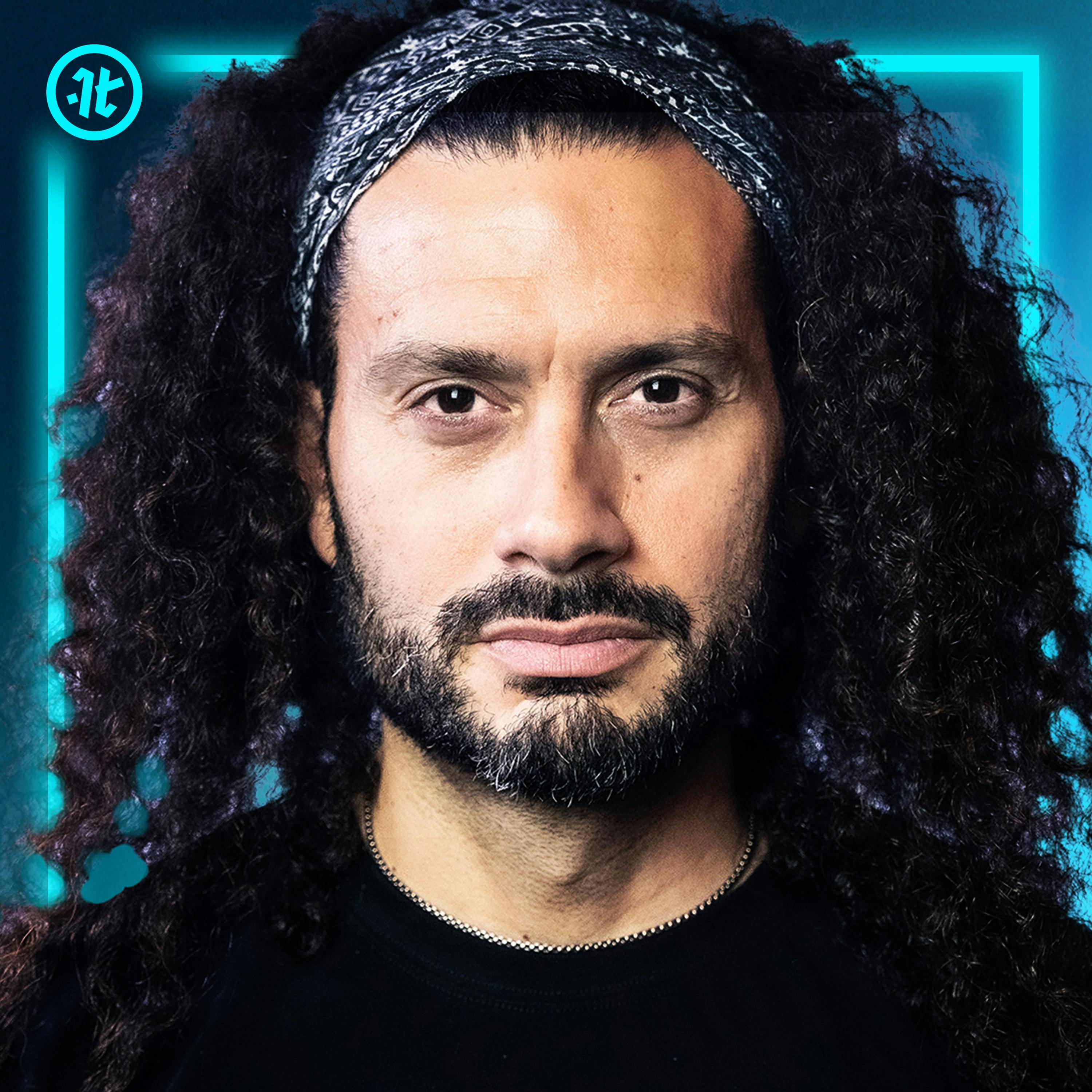
Ex-CIA spy Andrew Bustamante explains that sanitized national threat assessments are available to the public. These documents reveal official government priorities and funding, which can directly contradict the narratives politicians present to justify military actions, as seen with Iran.

Before the Ukraine invasion, U.S. officials strategically declassified intelligence about Russia's plans. This offensive information warfare tactic effectively neutralized Putin's intended narrative that Ukraine was the aggressor before he could even launch it, narrating the war on their own terms.
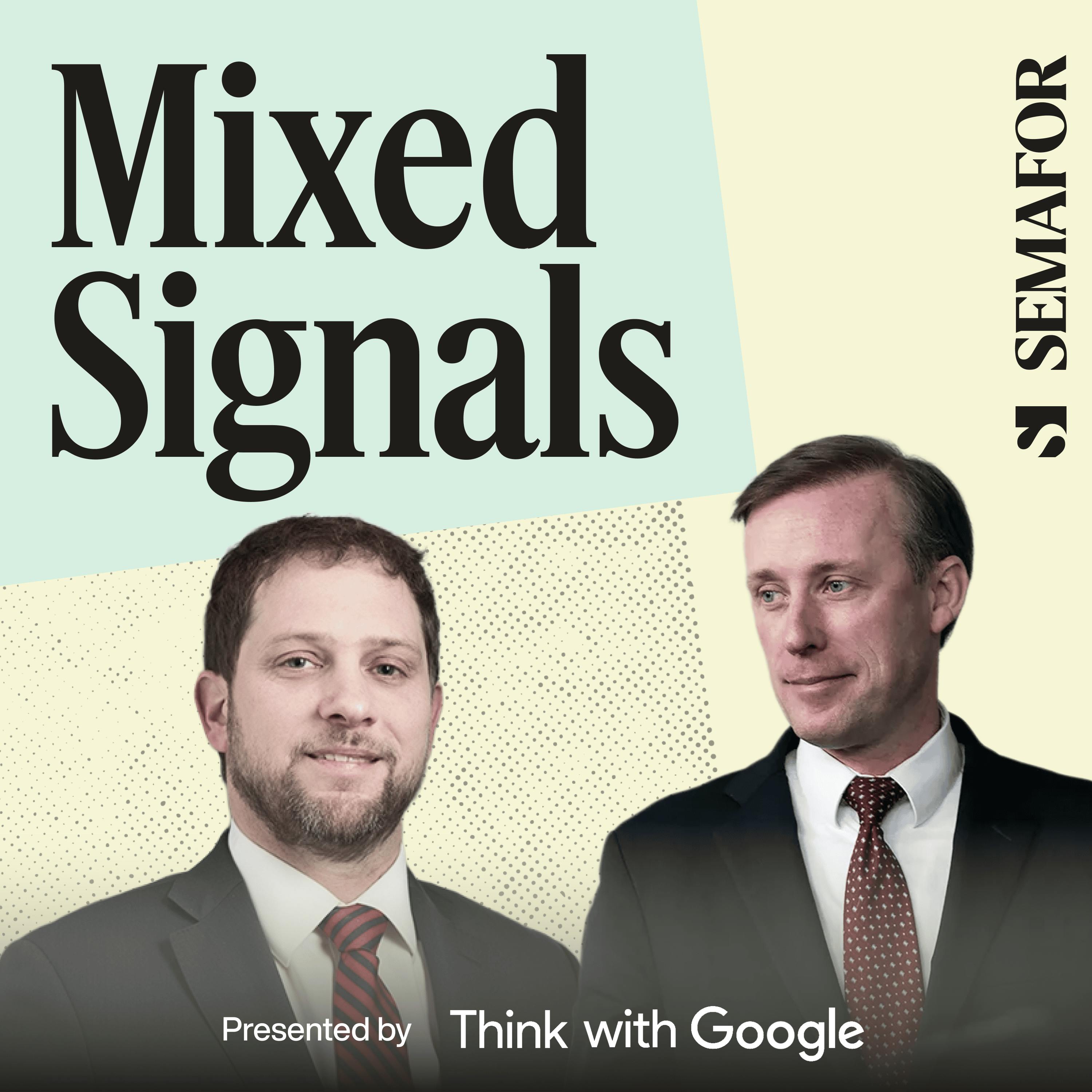
Intelligence agencies' biggest concern is "blowback"—the severe diplomatic, economic, and intelligence-sharing penalties from allies if a covert operation is exposed. The risk of alienating a critical ally, such as the U.S., far outweighs any potential gain from an operation like a political assassination on their soil.
Executing complex military operations publicly reveals sensitive tactics, techniques, and procedures (TTPs). Adversaries like Russia and China study these events to deconstruct US capabilities, from mission sequencing to electronic warfare. This exposure of the 'revolver's shots' depletes the element of surprise for future, more critical conflicts.
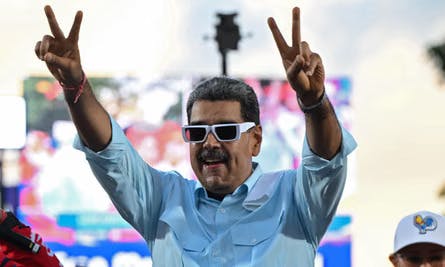
Adversaries struggle to predict US actions because the Trump White House's decision-making resembles a chaotic royal court, not a formal process. Intelligence agencies must monitor informal channels like Fox News and golf partners, making strategic intent dangerously unreadable.

Russia's information warfare is less about creating new narratives and more about identifying and exacerbating existing societal fissures. By amplifying local opposition to a new military base, for instance, they frame a legitimate debate as a conflict between citizens and a corrupt state, thereby eroding trust and national unity from within.
