Get your free personalized podcast brief
We scan new podcasts and send you the top 5 insights daily.
Counterintuitively, a politically weakened Donald Trump, constrained by potential midterm losses and a waning ability to control events, could become more dangerous. He may lash out by prosecuting political enemies, disrupting alliances like NATO, or taking other destabilizing actions on the world stage to project strength and punish adversaries.

Related Insights
Trump's erratic approach isn't random; it's a strategy to create chaos and uncertainty. This keeps adversaries off-balance, allowing him to exploit openings that emerge, much like a disruptive CEO. He is comfortable with instability and uses it as a tool for negotiation and advantage.

By threatening to withdraw from NATO, Trump can force allies like Denmark into deals such as the one for Greenland. While this leverage is effective for immediate goals, his unpredictable tactics cause long-term damage to America's international reputation and perceived stability.

The true danger of 'predatory hegemony' is not an immediate, catastrophic failure but a gradual degradation of American power, wealth, and influence. This slow fraying of alliances and trust is harder to perceive in the short term but risks leaving the US in a permanently weakened global position over time.

Trump's 'hokey pokey' with tariffs and threats isn't indecisiveness but a consistent strategy: make an agreement, threaten a severe and immediate penalty for breaking it, and actually follow through. This makes his threats credible and functions as a powerful deterrent that administrations lacking his perceived volatility cannot replicate.

The "TACO" acronym serves as a predictive model for Trump's foreign policy. It suggests a pattern of aggressive posturing and military action followed by a rapid search for a diplomatic "off-ramp" once resistance is met. Markets and adversaries can anticipate this behavior, expecting a short conflict despite initial escalation.
The ongoing war with Iran is undermining what the speaker calls Trump's "three political superpowers": his ability to shape reality, his use of coercive leverage, and his dominion over the Republican party. The visible negative consequences, like rising gas prices, make his narratives unbelievable and expose his weakened influence over allies and his own party.
President Trump repeatedly takes actions that foreign policy experts predict will be catastrophic. When these gambles do not result in the worst-case scenario, it reinforces his unconventional approach in the public eye and erodes the credibility of traditional institutions and their warnings.
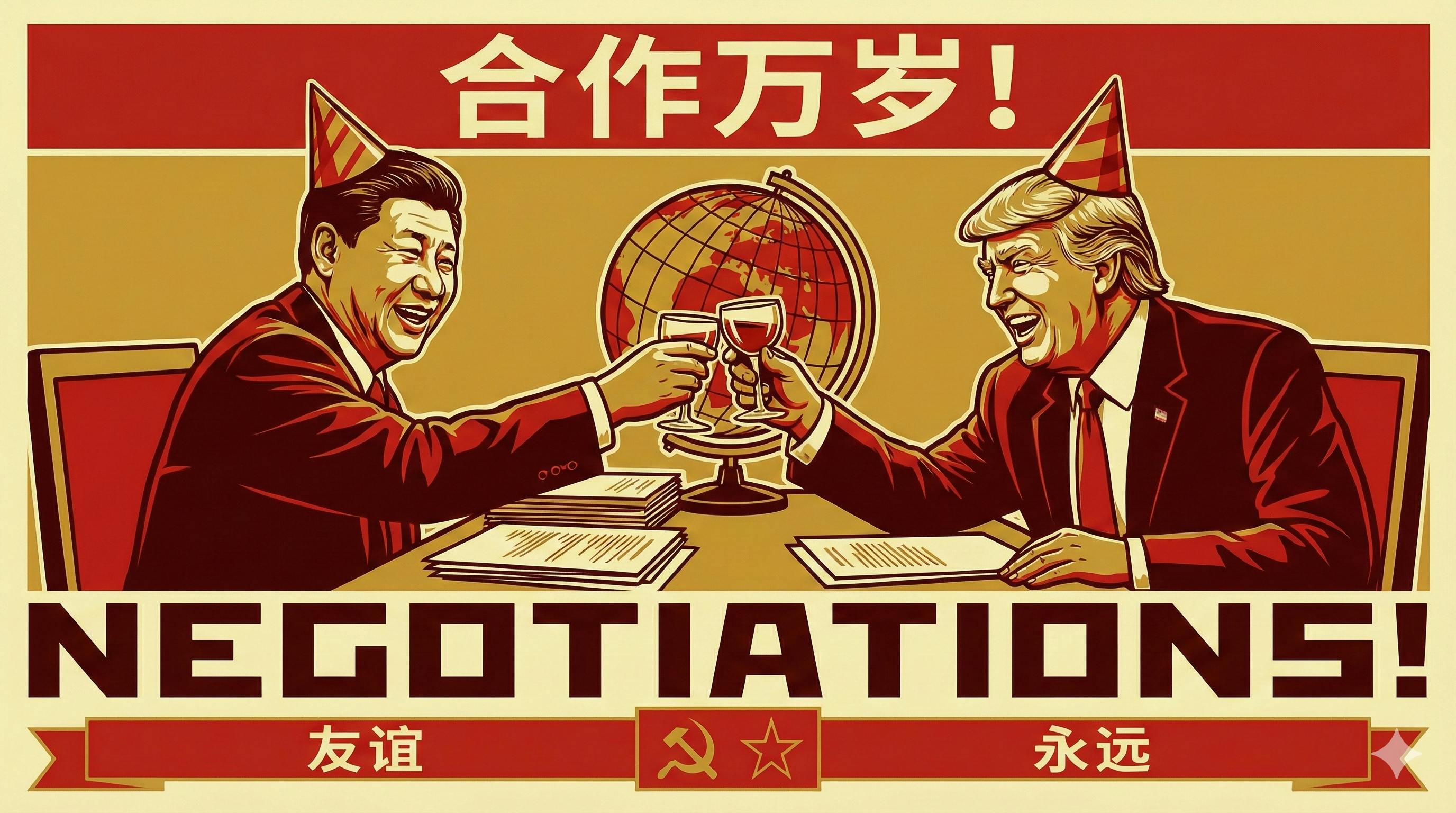
Trump's direct, aggressive actions often achieve immediate goals (first-order consequences). However, this approach frequently fails to anticipate the strategic, long-term responses from adversaries like China (second and third-order consequences), potentially creating larger, unforeseen problems down the road.

Instead of fearing Trump's unpredictability, foreign leaders can manipulate it. By appealing to his desire for a 'peace through strength' legacy and his need to showcase American power, a country like Mexico could secure significant military and economic aid by framing it as a clear win for him.

Political allies often remain silent critics until a leader's power begins to wane. The recent increase in Republicans publicly questioning Trump's economic grasp demonstrates this principle. This belated courage is more about political survival and opportunism than genuine conviction, emerging only after the personal risk has subsided.