Get your free personalized podcast brief
We scan new podcasts and send you the top 5 insights daily.
Companies like PayPal decline when their culture shifts from innovating and breaking things to one of professionalization. When employees focus more on internal promotions than product, the company calcifies and becomes an acquisition target.

Related Insights
In large companies, a culture of A/B testing every decision can become a crutch that stifles innovation and speed. It leads to risk aversion and organizational lethargy, as teams lose the muscle for making convicted, gut-based decisions informed by qualitative customer feedback.

Reed Hastings’ initial management philosophy was to implement processes to prevent errors, like a factory. This backfired by systematically repelling the creative, rule-breaking individuals essential for innovation in the fast-moving tech industry.

Despite $33B in revenue, PayPal's valuation has collapsed. Its failure to announce strategic deals in trending areas like AI or stock trading—the so-called "press release economy"—projects an image of stagnation, making it seem like a legacy player unable to compete with modern fintech rivals.

At large companies like Meta, product reviews can become performative ("product theater"), focusing on pre-wiring executives rather than engaging in messy, ambiguous problem-solving. This focus on efficient alignment can stifle true innovation, pushing builders toward smaller, more dynamic companies.

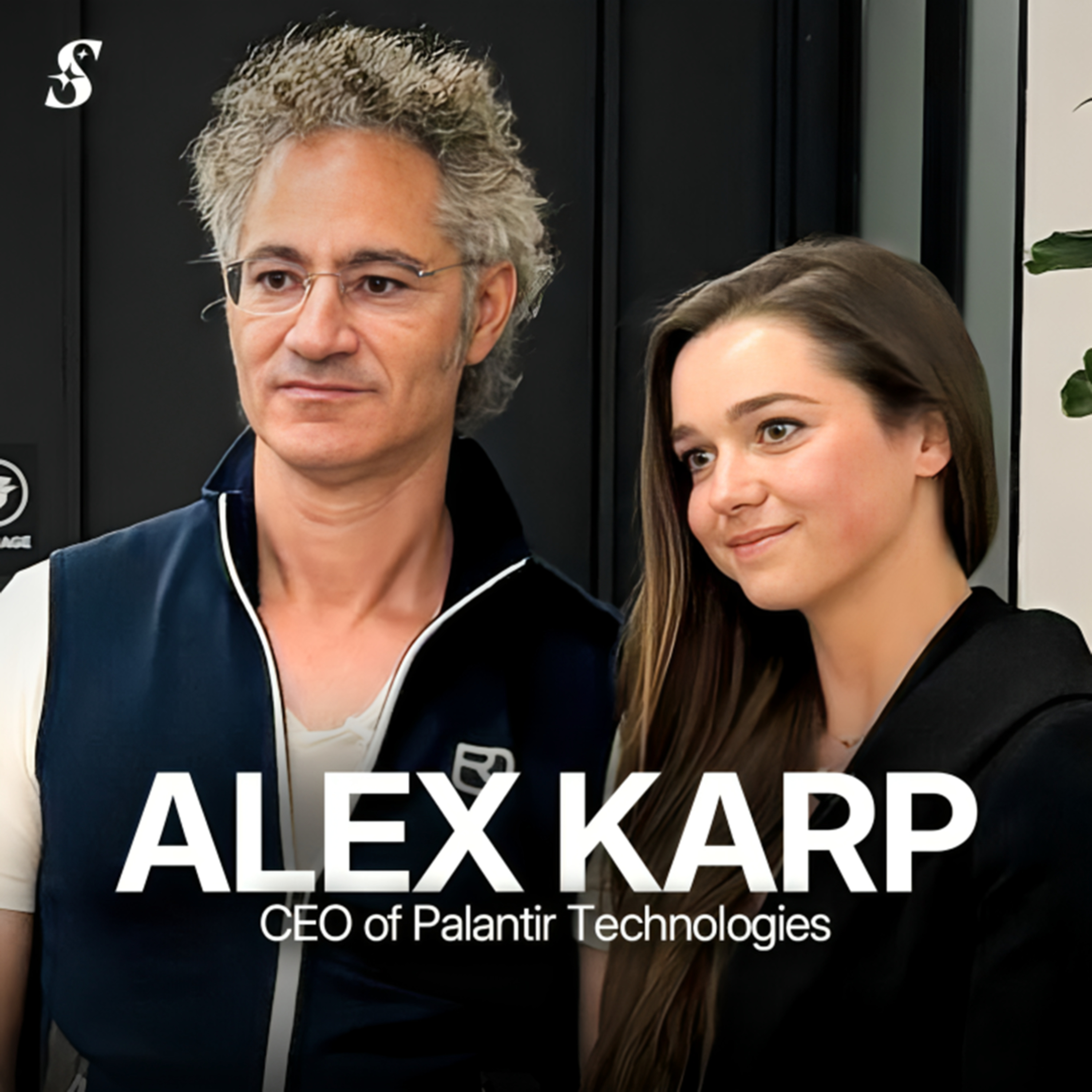
Palantir's success stems from its "anti-playbook" culture. It maintains a flat, meritocratic structure that feels like a startup despite its size. This environment fosters original thinking and rewards those who excel outside of rigid, conventional frameworks, turning traditionally undervalued traits into strengths.
Meta's struggles with the Metaverse, crypto, and now competitive AI reflect a corporate culture that has historically succeeded by acquiring or cloning competitors. This strategy is failing in an era where foundational, in-house technological breakthroughs and organic product development are required for leadership.

At companies like Meta, career progression became so tied to promotions that engineers prioritized "promo-hacking." They shipped projects they knew were flawed or would be deleted simply to meet promotion criteria, decoupling promotions from genuine skill development and leading to poor technical decisions.

Being the de facto industry standard removes the external pressure to innovate. Dominant companies often resist internal change agents who want to 'rock the boat,' fostering complacency. This creates an opening for more agile competitors to gain a foothold and disrupt the market.

As businesses scale, founder-led teams with a high tolerance for failure are often replaced by 'professional' leaders from corporate backgrounds. This new leadership can inadvertently slow growth by demanding perfection and fostering a fear of failure, leading to risk aversion, analysis paralysis, and a loss of agility.

Despite strategic assets, PayPal's "bloated organization" and slow decision-making culture pose a significant integration risk for a nimble, developer-first company like Stripe. This cultural mismatch, along with technical debt, could make a potential merger a nonstarter.
