Get your free personalized podcast brief
We scan new podcasts and send you the top 5 insights daily.
Despite strategic assets, PayPal's "bloated organization" and slow decision-making culture pose a significant integration risk for a nimble, developer-first company like Stripe. This cultural mismatch, along with technical debt, could make a potential merger a nonstarter.

Related Insights
When a large company acquires a startup, the natural tendency is to impose its standardized processes. Successful integration requires a balance: knowing which systems to standardize for leverage while allowing the acquired team to maintain its freewheeling, startup-style execution.
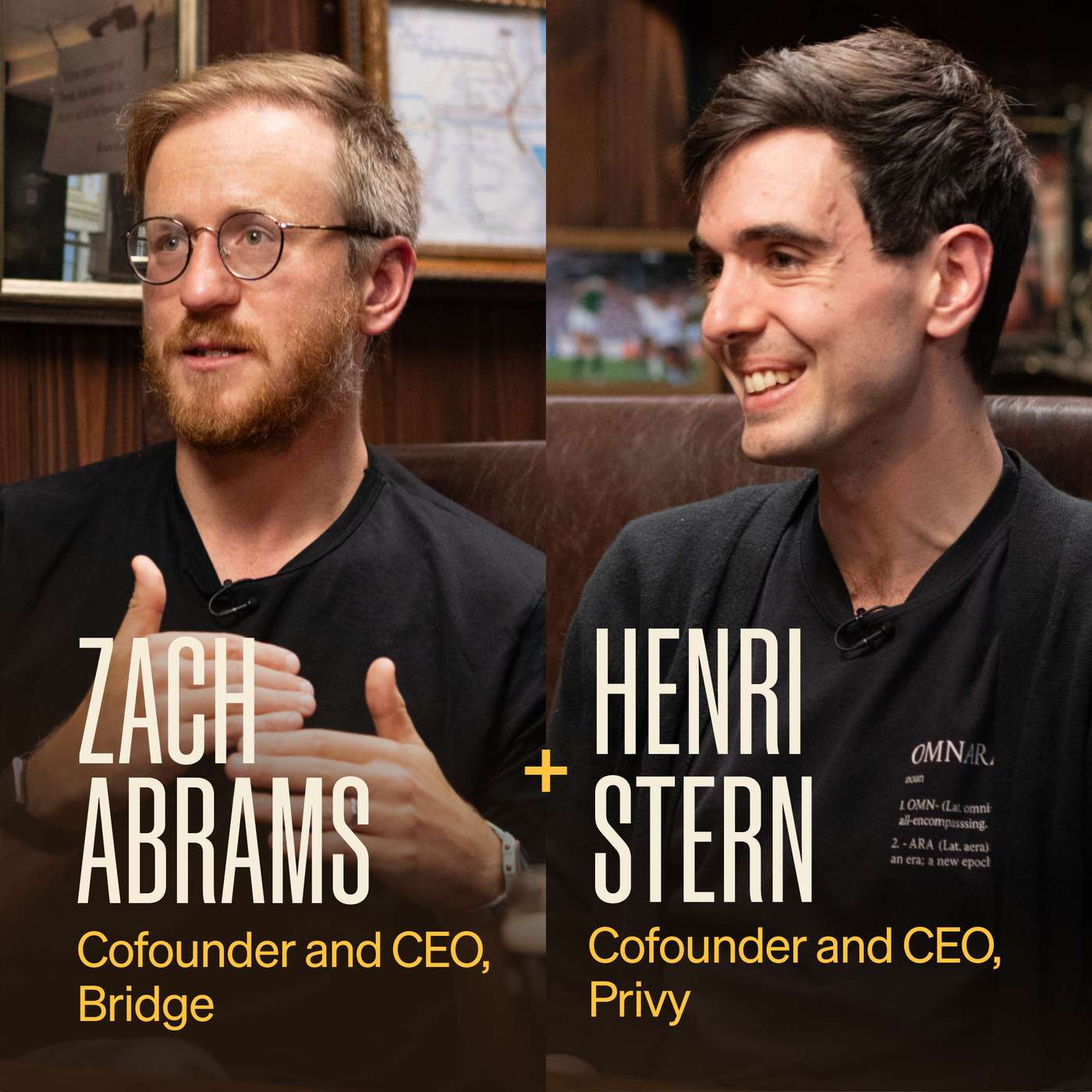
Stripe's potential acquisition of PayPal is driven by a desire to gain PayPal's strong consumer brand and access to customer bank accounts. This would let Stripe bypass expensive credit card interchange fees, a significant cost advantage that is more valuable than PayPal's technology.
Despite pre-deal cultural assessments, Cisco and Splunk clashed on decision-making speed post-close. Pre-existing relationships between executives led to an overestimation of cultural similarity, masking deep operational differences that only surfaced when teams had to work together on difficult decisions.

The success of an AI roll-up hinges on effective technology implementation. Therefore, the primary filter for acquiring a company is not just its financials but whether its leadership and culture are genuinely eager to adopt AI and transform their operations. This cultural fit is non-negotiable.

Successful large-scale acquirers remain nimble, flexing their own processes to suit the acquired company rather than force-fitting it into a rigid corporate structure. This preserves the culture and talent that made the company valuable, preventing value destruction and keeping the new team engaged.

Stripe is reportedly considering an acquisition of PayPal, which is trading down 85% from its peak despite strong cash flow and a massive user base. Such a deal would unite two payments behemoths, creating a powerful entity but also raising immediate and significant antitrust questions from regulators.

Daniel Lubetzky warns that entrepreneurs often mistakenly believe they can avoid culture clash after being acquired. The tension between a fast, transparent startup and a cautious, secretive corporation is a fundamental friction that founders should expect rather than hope to overcome.

A deal failed because the acquirer rigidly insisted the target switch from Macs to PCs for compliance reasons, without exploring creative solutions. This highlights how a lack of flexible problem-solving on operational details can escalate into a deal-killing issue, masking deeper cultural misalignments.
A one-size-fits-all integration can destroy the culture that made an acquisition valuable. When State Street acquired software firm CRD, it intentionally broke from its standard process, allowing CRD to keep its brand identity, facilities, and even email domain to preserve its creative culture and retain key talent.
For certain acquisitions like Poker, IFS deliberately avoids full integration to retain the target's agile, entrepreneurial culture. Instead, they use product connectors and provide access to parent company resources, allowing the startup to maintain its dynamism while leveraging scale.