Get your free personalized podcast brief
We scan new podcasts and send you the top 5 insights daily.
A unique downside of a genuinely great product is that glowing testimonials can set impossibly high expectations. The founder worries that new customers, hearing the shoes are 'amazing,' might feel let down if their experience is merely 'great' but not life-changing, a phenomenon she likens to seeing an overhyped movie.
Related Insights
Rabois introduces a nuanced framework beyond just product-market fit. He argues that exceptional marketing can create a temporary illusion of success, but this "marketing fit" will eventually collapse if the underlying product value isn't there to retain users.

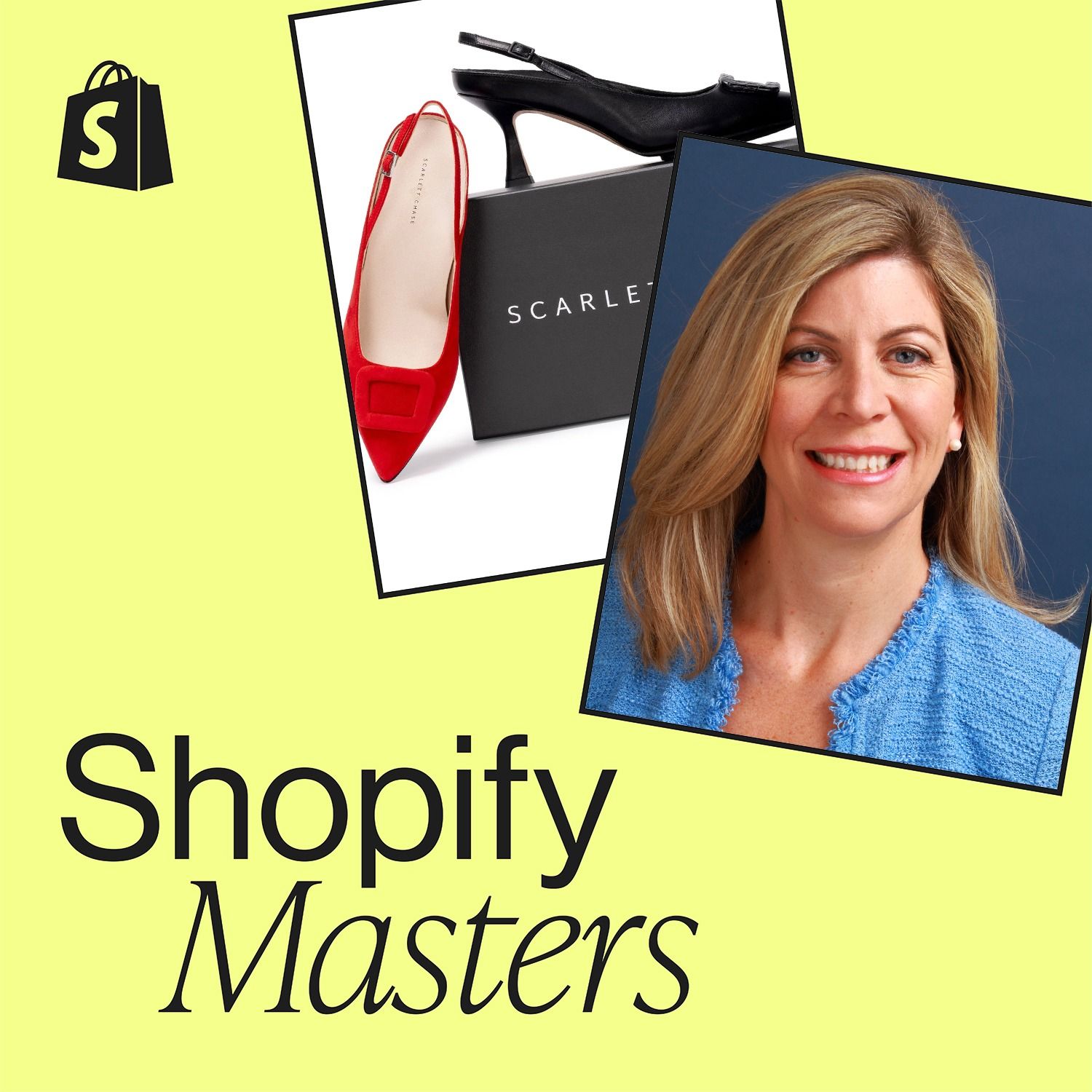
Instead of lowering prices to capture a wider audience, Scarlet Chase embraces a high-end niche. The founder's philosophy is that diluting the product's quality for broader appeal is a mistake. The strategy is to deliver exceptional value to a focused group of customers who can afford and appreciate the investment.
The founder reconciles the high price of her luxury shoes by positioning them as a solution that removes a major distraction for successful women. By eliminating foot pain, the shoes allow these high-impact individuals to focus their energy on more important work, making the product an investment in their overall effectiveness.
Unlike first-time founders who struggle for attention, successful repeat founders face the opposite problem. Prospects tend to agree with their ideas due to their reputation, creating 'happy ears' and masking the truth until a payment is requested.

Innovating in a traditional sector requires a two-front battle. While educating consumers is an expected challenge, the founder of Scarlet Chase found an equal, if not greater, hurdle in convincing her high-end Italian manufacturing partners to integrate 'bulky' orthotics and rubber soles into their traditional luxury shoemaking process.
The principle of 'under promise, over deliver' is best executed by engineering an immediate, tangible result for new customers right after they sign up. This initial positive shock, like a rapid weight loss in a fitness program, builds immense goodwill and loyalty before they even fully use your product.

Technical founders often mistakenly believe the best product wins. In reality, marketing and sales acumen are more critical for success. Many multi-million dollar companies have succeeded with products considered clunky or complex, purely through superior distribution and sales execution.

Perfection is often perceived as 'too good to be true', leading consumers to suspect that negative reviews have been removed. A Northwestern University study of 100,000 reviews found a tipping point, typically between 4.2 and 4.8 stars for FMCG products, after which purchase likelihood begins to decline. An imperfect score is more believable.

Founders often over-index on early user complaints. However, if a product addresses a powerful, unmet demand, users will endure significant flaws. The existence of strong market "pull" is a more important signal than initial product imperfections. The market will effectively fund the product's improvement.

Move beyond listing features and benefits. The most powerful brands connect with customers by selling the emotional result of using the product. For example, Swishables sells 'confidence' for a meeting after coffee, not just 'liquid mouthwash.' This emotional connection is the ultimate brand moat.
