Get your free personalized podcast brief
We scan new podcasts and send you the top 5 insights daily.
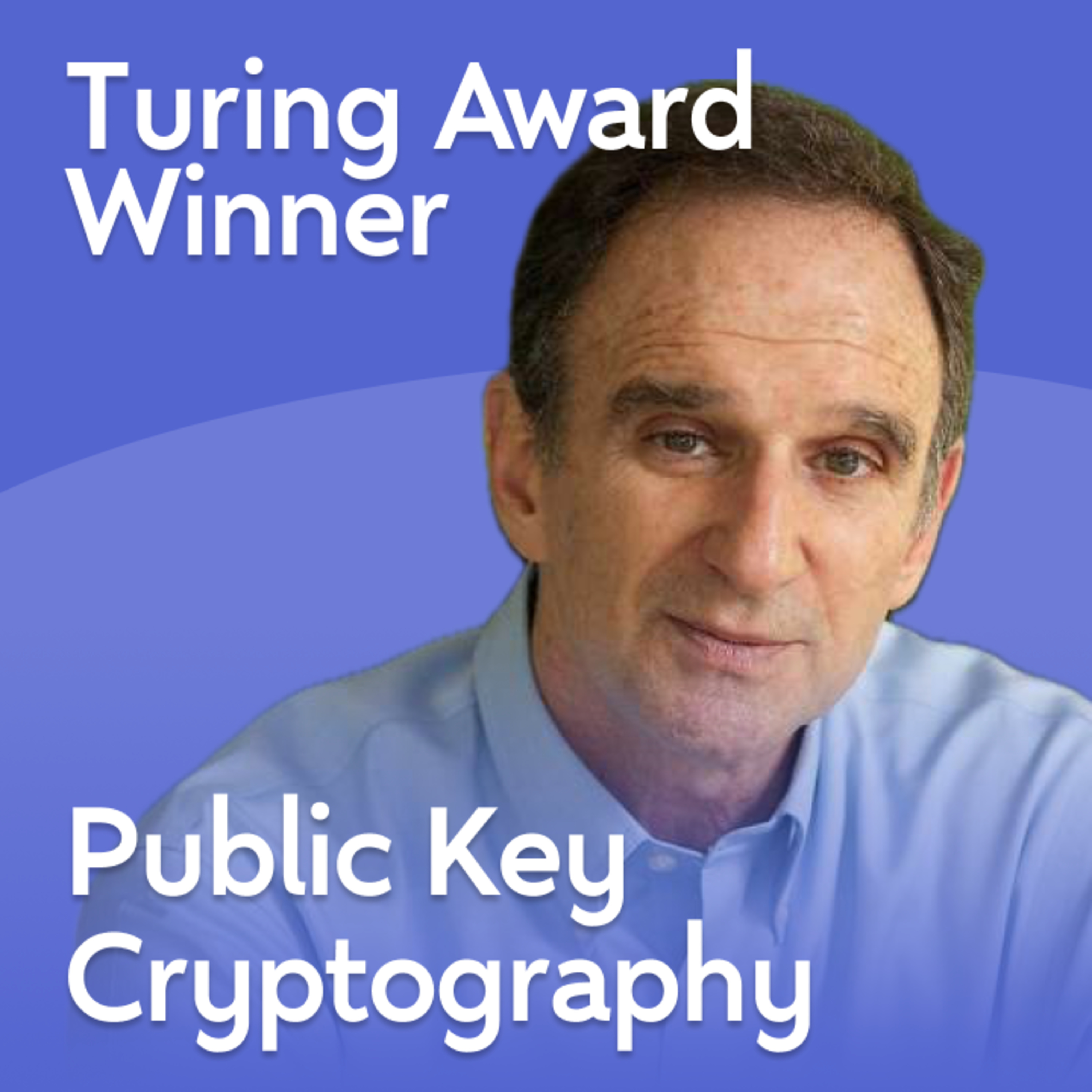
Colleagues, including leading professors, universally told Martin Hellman he was crazy to work on cryptography against the NSA. He notes this is common for transformative ideas, citing Nobel laureates who received similar dismissive feedback from their deans before their prize-winning work.
Related Insights
Martin Hellman credits his willingness to pursue cryptography, which colleagues called "crazy," to his childhood experience of being an outsider. This mindset transformed external skepticism from a deterrent into an attraction, fostering the resilience needed for radical innovation.
Founders should anticipate that truly new ideas are first dismissed as "crazy," then accepted as "novel," and finally deemed "obvious." Understanding this progression helps entrepreneurs endure the initial skepticism and see it as a sign they are on the right track.

When Google's Larry Page proposed building a self-driving car for cities, AV expert Sebastian Thrun's initial reaction was that it was impossible. This taught him that experts are often the least likely to believe in radical innovation within their own domain.

Negative feedback that dismisses your idea as 'nuts' is incredibly valuable. This extreme reaction forces you to rigorously test your core assumptions, revealing whether you are fundamentally wrong and saving time, or 'deadly right' about a non-obvious market shift.

Deep experts can be "particularly dangerous" to innovation because their established knowledge can cause them to prematurely shut down novel ideas. Drawing lessons from Pixar, innovative organizations must structure creative processes to ensure that neither experts nor bosses dominate the conversation and stifle nascent concepts.
Dr. Venter argues that major scientific breakthroughs are often painful processes, met with initial attacks and ridicule from a conservative scientific community. He notes that while the burden of proof should be on innovators, the current science funding system creates impossibly high hurdles, squashing thousands of new ideas that threaten the establishment.

Palo Alto Networks pursued cloud cybersecurity when experts claimed no one would trust it. Founder Nir Zook saw this skepticism not as a warning, but as a sign of a wide-open market with a significant competitive moat if they could prove the doubters wrong.

Breakthrough innovation often comes from entrepreneurs holding a non-consensus belief about the future. This vision can seem irrational, like the man live-streaming an inauguration on a laptop in 2009. This conviction in their "secret" knowledge, which others dismiss, is a key trait of visionary founders who can build what others cannot yet see.

Formally trained experts are often constrained by the fear of reputational damage if they propose "crazy" ideas. An outsider or "hacker" without these credentials has the freedom to ask naive but fundamental questions that can challenge core assumptions and unlock new avenues of thinking.

Knight embraced the "crazy idea" label, reasoning that history's greatest achievements—from democracy to free enterprise—all began as crazy ideas. This reframing provides psychological armor against early criticism and doubt, turning a perceived weakness into a source of strength.
