Get your free personalized podcast brief
We scan new podcasts and send you the top 5 insights daily.
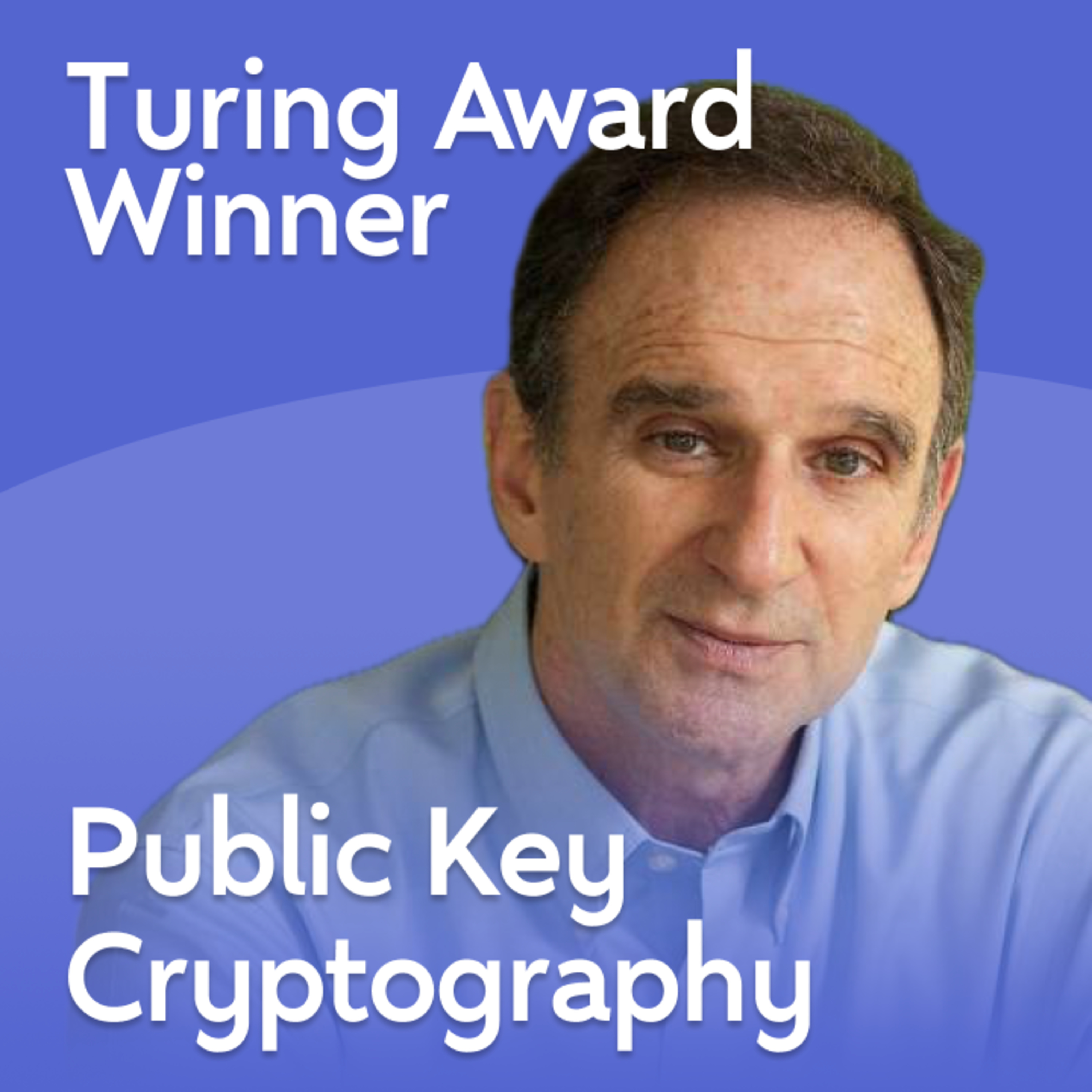
Martin Hellman credits his willingness to pursue cryptography, which colleagues called "crazy," to his childhood experience of being an outsider. This mindset transformed external skepticism from a deterrent into an attraction, fostering the resilience needed for radical innovation.
Related Insights
Brian Armstrong suggests his success is linked to a trait associated with the autism spectrum: a reduced concern for social cohesion. This allows him to ask seemingly "dumb" questions and pursue non-consensus ideas without fear of looking foolish, which is crucial for finding unique insights and driving innovation.
Colleagues, including leading professors, universally told Martin Hellman he was crazy to work on cryptography against the NSA. He notes this is common for transformative ideas, citing Nobel laureates who received similar dismissive feedback from their deans before their prize-winning work.
David Epstein's book *Range* shows that breakthrough innovators often switch disciplines. By entering a new field "through the side door," they bring different mental models and "far analogies" that allow them to see solutions incumbents cannot.

Innovation requires stepping away from the tools and standards everyone else uses, as Nike co-founder Bill Bowerman did with an early movie camera. This path is often lonely, as you may operate on your own before others understand your vision. You must be comfortable with this isolation to create breakthroughs.

The stereotype of the bold, risk-seeking entrepreneur is often a myth. Jim McKelvey's research reveals many of history's most impactful innovators were not adventurers by choice. They were ordinary people excluded from the herd who were forced to find a new path, making them entrepreneurs by necessity.

Seager's unique upbringing—a distrustful home with her stepfather and an open-minded one with her father—created the perfect mindset for innovation: the ability to challenge established norms while exploring radical new concepts.

Feeling like you don't fully belong to any single group—be it cultural or professional—can be an advantage. It allows you to operate in a "gray area," designing your own unique identity and synthesizing strengths from different worlds without being constrained by any one of them.

Formally trained experts are often constrained by the fear of reputational damage if they propose "crazy" ideas. An outsider or "hacker" without these credentials has the freedom to ask naive but fundamental questions that can challenge core assumptions and unlock new avenues of thinking.

Knight embraced the "crazy idea" label, reasoning that history's greatest achievements—from democracy to free enterprise—all began as crazy ideas. This reframing provides psychological armor against early criticism and doubt, turning a perceived weakness into a source of strength.

A Johns Hopkins study found that participants made to feel left out were more creative. However, this boost only applied to those with an "independent self-concept"—people who already took pride in not belonging. For this group, rejection acts as a mental catalyst for new ideas.
