Get your free personalized podcast brief
We scan new podcasts and send you the top 5 insights daily.
Repeatedly venting to friends or family creates a negative feedback loop that damages relationships. Unlike a therapist who pushes for solutions, friends often act as enablers, which hinders actual progress and leads to social exhaustion.

Related Insights
Journaling is not just for self-reflection. The act of privately untangling fears and emotions on the page externalizes them, making it easier to name them and then discuss them openly with others. This private practice is a powerful tool for improving interpersonal communication.

You cannot think your way out of perfectionism with worksheets or intellectual exercises. Recovery is like learning to ride a bike: it requires a safe, experiential process. The therapeutic relationship provides a space to practice vulnerability and build a new, healthier way of relating to oneself, which information alone cannot achieve.

Conflict in friendships should be welcomed, not avoided. The psychotherapeutic concept of 'rupture and repair' — a breach in the relationship followed by its restoration — is proof of a strong connection. Actively working through conflict facilitates growth, respect, and a deeper bond.

Resolving unfinished business after a relationship ends is a personal task. Imaginary dialogues can be more effective for emotional processing than real conversations with the other person, who may be unavailable or unwilling. Closure comes from within, not from external validation.
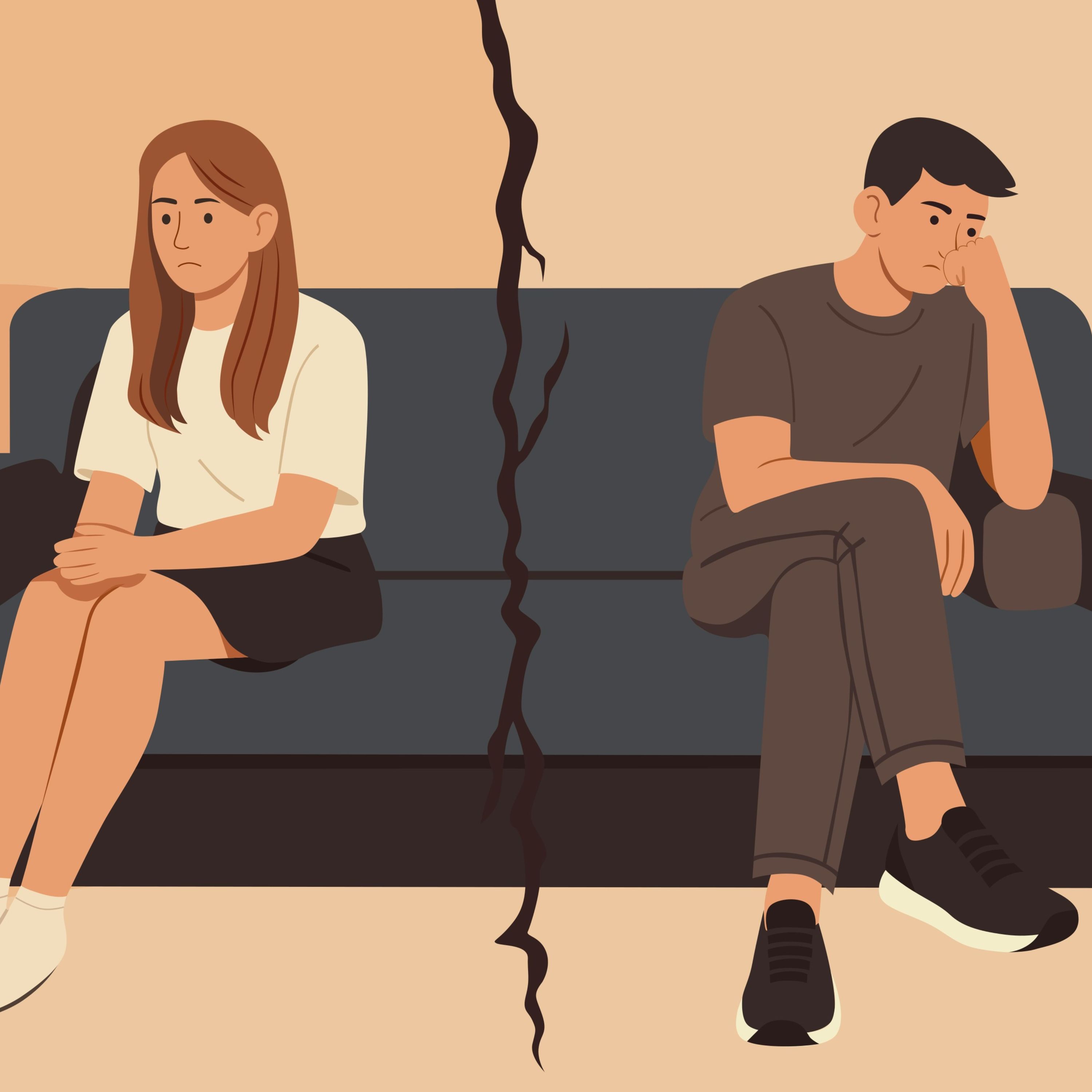
Winning an argument by proving a factual point (e.g., "you were technically yelling") is a losing strategy in relationships. Therapist Terry Real's framework suggests subjective perception is what truly matters. Establishing "objective reality" invalidates your partner's experience and derails resolution.

Instead of searching for the perfect words, which don't exist, it's more effective to be honest about your uncertainty. Simply say "I'm here for you" and then offer a practical, authentic act of support based on your own skills and passions, like cooking a meal or walking their dog.

When someone is upset, directly ask if they want to be "heard" (emotional support), "helped" (practical solutions), or "hugged" (social connection). This simple heuristic clarifies their needs and prevents the conversational mismatch of offering solutions when empathy is desired.
In difficult discussions, choosing not to respond is a powerful tool. It serves as a boundary on yourself to prevent a reactive, unhelpful comment and is a conscious choice when you recognize a conversation is unproductive. It's about control, not passivity.
Conflict avoidance is not a sign of a healthy relationship. True intimacy is built through cycles of 'rupture and repair,' where disagreements are used as opportunities for deeper understanding. A relationship without conflict may be fragile, as its ability to repair has never been tested.
Couples in conflict often appear to be poor communicators. However, studies show these same individuals communicate effectively with strangers. The issue isn't a skill deficit, but a toxic emotional environment within the relationship that inhibits their willingness to collaborate.