Get your free personalized podcast brief
We scan new podcasts and send you the top 5 insights daily.
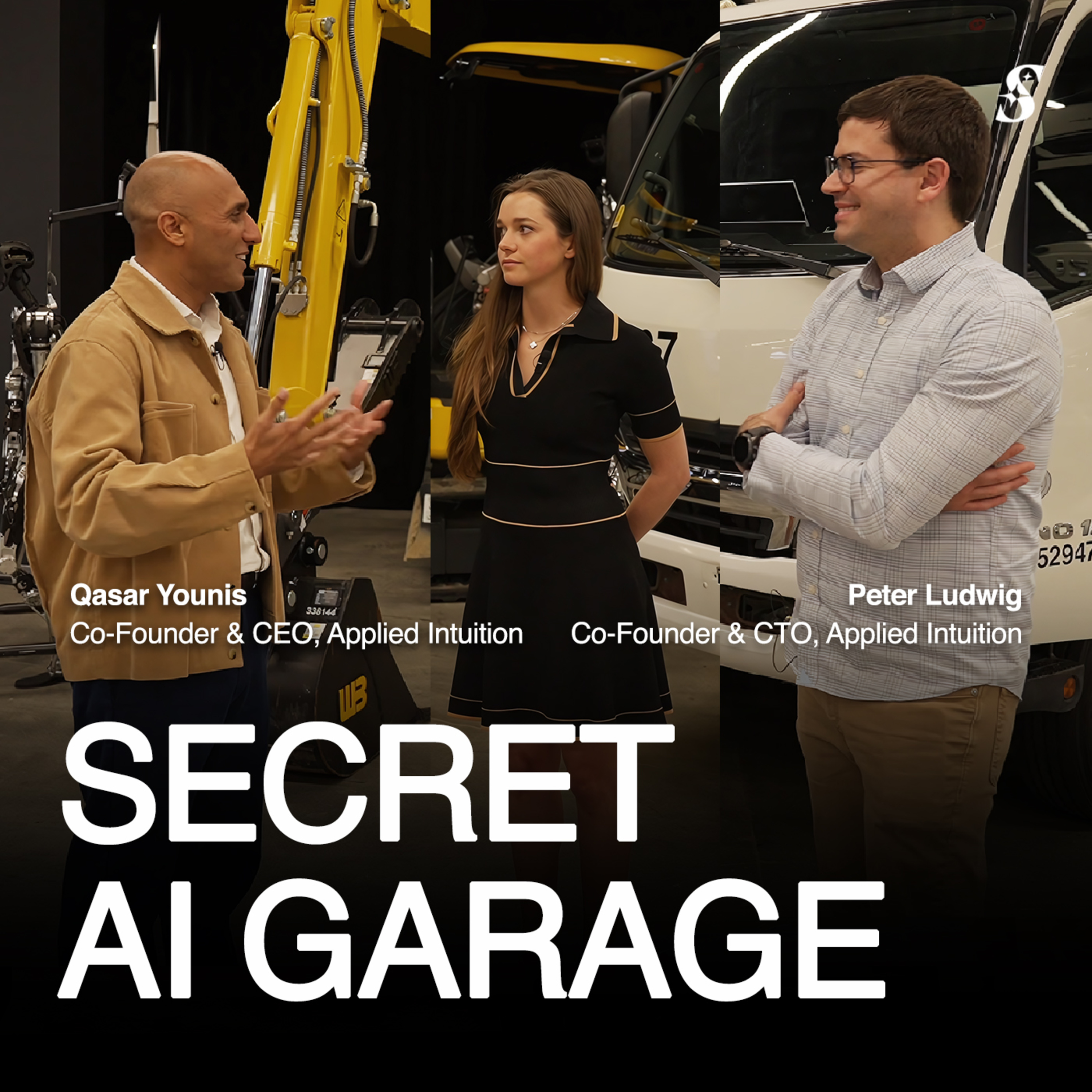
The company avoids channel conflict with its automotive customers by positioning itself strictly as a technology supplier, not a consumer brand. They sell operating systems and autonomy models to manufacturers, who in turn sell the final cars to consumers. This pure B2B focus prevents direct competition.
Related Insights
Applied Intuition uses the same fundamental software platform across cars, trucks, boats, and construction equipment. This is possible because all are machines interacting with the physical world governed by consistent laws of physics, enabling a scalable "Teslification" of multiple industrial sectors with a single core technology.
Instead of competing with OpenAI's mass-market ChatGPT, Anthropic focuses on the enterprise market. By prioritizing safety, reliability, and governance, it targets regulated industries like finance, legal, and healthcare, creating a defensible B2B niche as the "enterprise safety and reliability leader."

Instead of building expensive, bespoke military hardware, the company retrofits commercially available vehicles like the Ford F-150 with autonomy. This strategy creates "affordable mass" for the military, deploying robust systems at a fraction of the cost without risking human lives in commercial-grade vehicles on the battlefield.
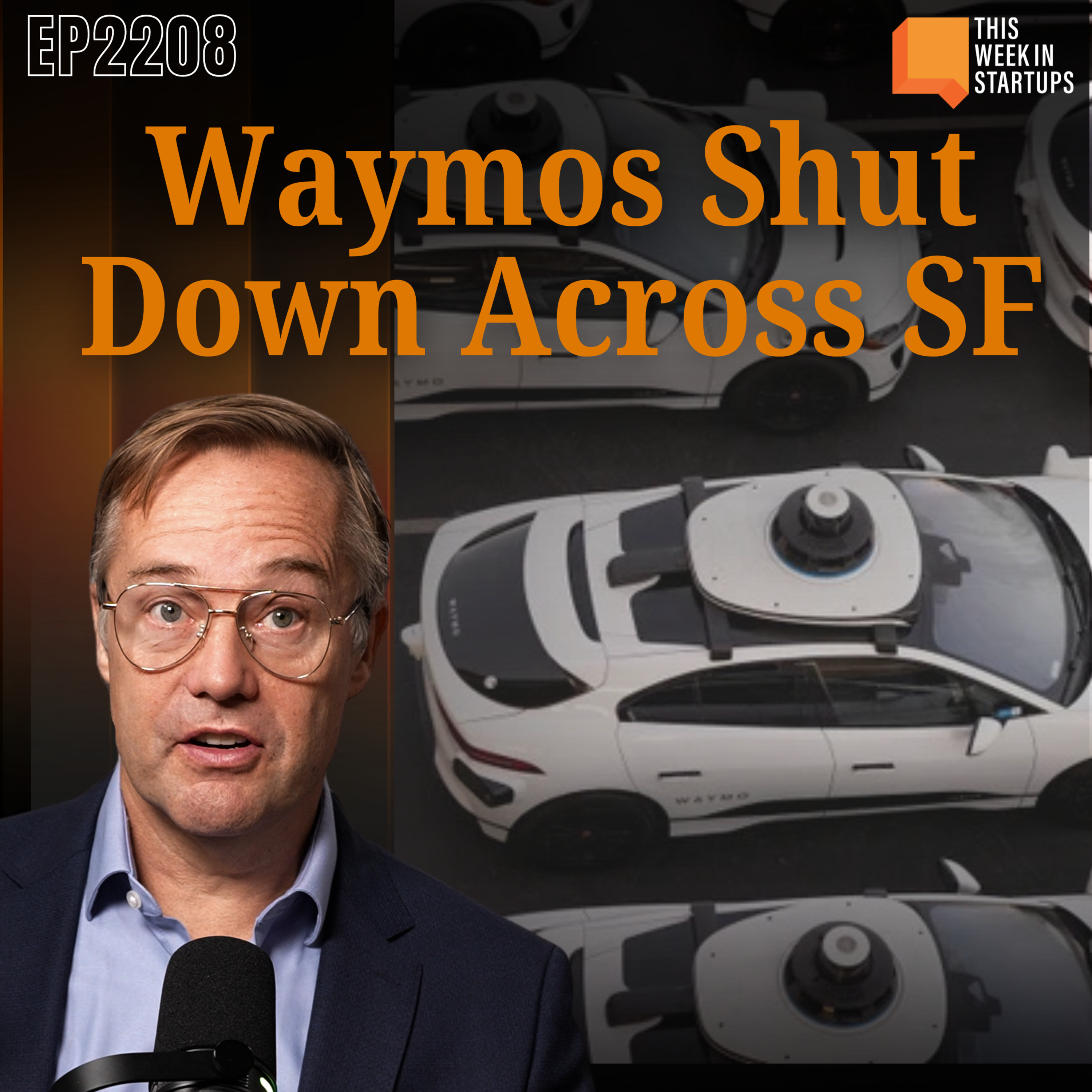
Autonomous vehicle technology will likely become a commodity layer, with most manufacturers providing their cars to existing ride-sharing networks like Uber and Lyft. Only a few companies like Tesla have the brand and scale to pursue a vertically-integrated, closed-network strategy.
A crucial strategic distinction in the AI race is revenue source. Anthropic derives 85% of its revenue from business customers, whereas OpenAI gets 60% from consumers. This B2B focus gives Anthropic a different growth path and market position.

Instead of selling AI tools to incumbents (e.g., law firms who bill by the hour), build an AI-first service that delivers the end result directly to the customer. This avoids conflicts of interest and captures more value.

Instead of building its own capital-intensive robotaxi fleet, Waive's go-to-market strategy is to sell its autonomous driving stack to major auto manufacturers. This software-centric approach allows them to leverage the scale, distribution, and hardware infrastructure of established OEMs to reach millions of consumers.

Despite being in many consumer products, Novonesis avoids co-branding. They empower their customers' billion-dollar brands (e.g., P&G, Unilever) rather than building their own consumer recognition, which could complicate B2B relationships.

TSMC's "pure-play foundry" model, where it only manufactures chips and doesn't design its own, builds deep trust. Customers like Apple and NVIDIA can share sensitive designs without fear of competition, unlike with rivals Intel and Samsung who have their own chip products.

Instead of competing in the high-risk race to build autonomous vehicles, Uber is creating the ecosystem around them. By offering services like insurance, data, and fleet support to all AV companies, Uber positions itself to profit regardless of which car manufacturer wins.
