Get your free personalized podcast brief
We scan new podcasts and send you the top 5 insights daily.
Customers conduct a subconscious, primal evaluation beyond your pitch or process. They assess the personal void or penalty they would incur if you were no longer part of their world. This 'invisible dimension' of personal connection often determines the sale, not just your solution's features.

Related Insights
The axiom 'people buy on emotion' is universally known but rarely applied in B2B sales meetings, which remain logic-focused. Sales leaders must actively train teams on specific techniques, like 'empathetic expertise,' to build genuine emotional connection with buyers.
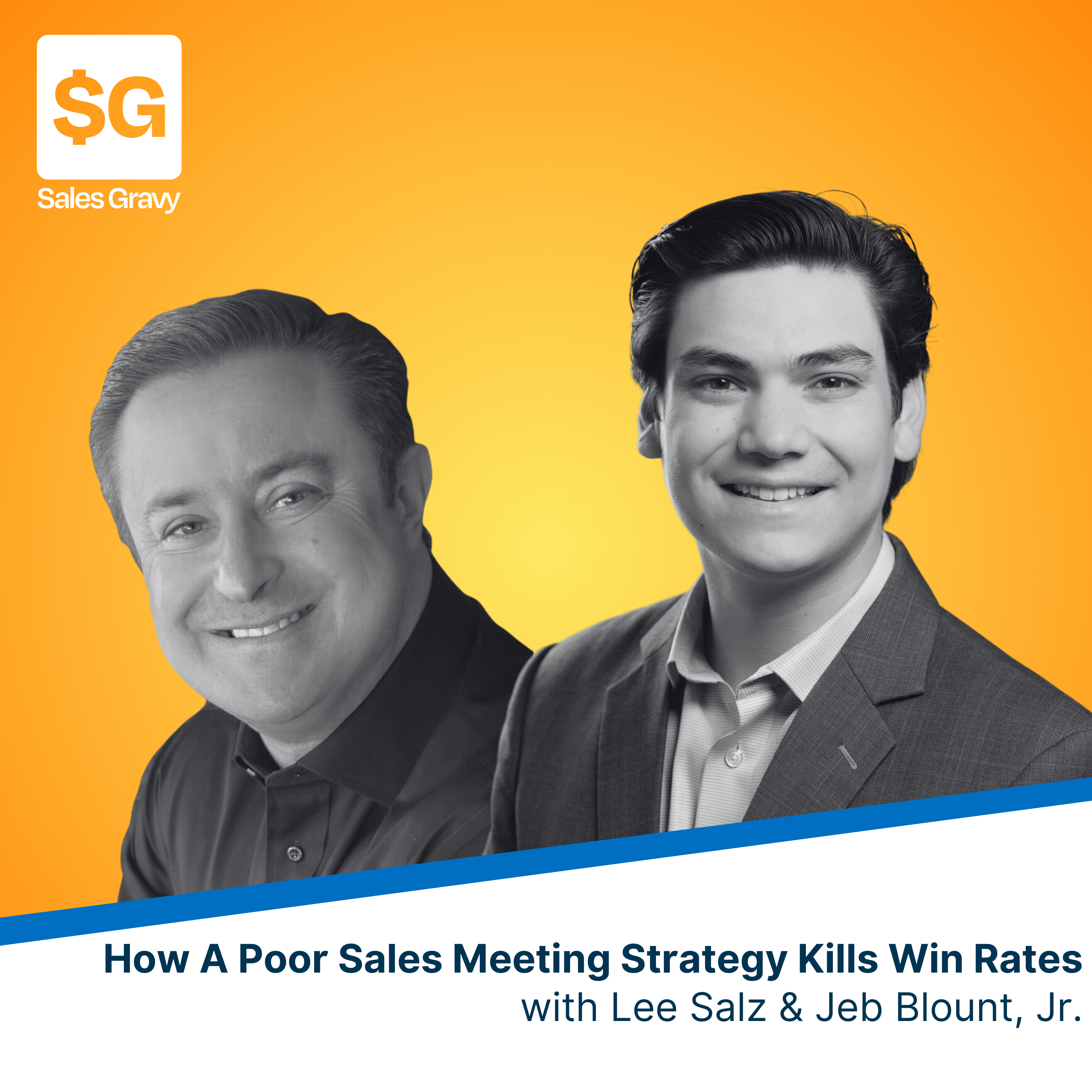
When a salesperson has the courage to address a prospect's lack of commitment and shows they are willing to lose the deal, it shifts the power dynamic. This act of integrity signals high value, compelling the prospect to get serious and making factors like ROI secondary.
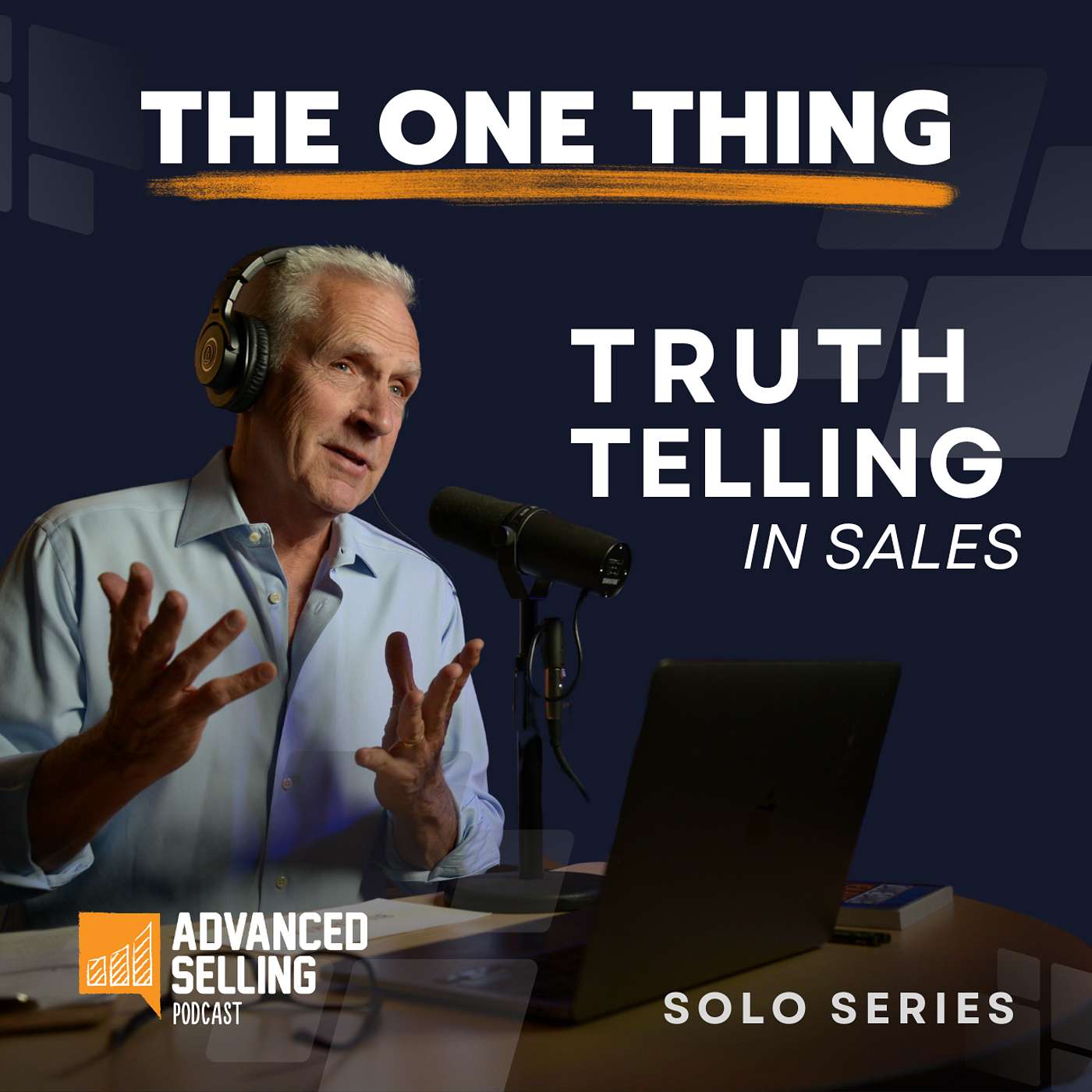
As AI floods the market with templated outreach, the most critical challenge for sellers is a decline in fundamental interpersonal skills. The ability to connect with a prospect authentically, without a script, is the key differentiator that builds the trust required to close deals in an overly automated world.

In high-stakes B2C sales, the customer's feeling of trust and safety with the salesperson outweighs other variables. Salespeople must compartmentalize their day's frustrations because for the customer, this is their only, highly emotional interaction with the company.

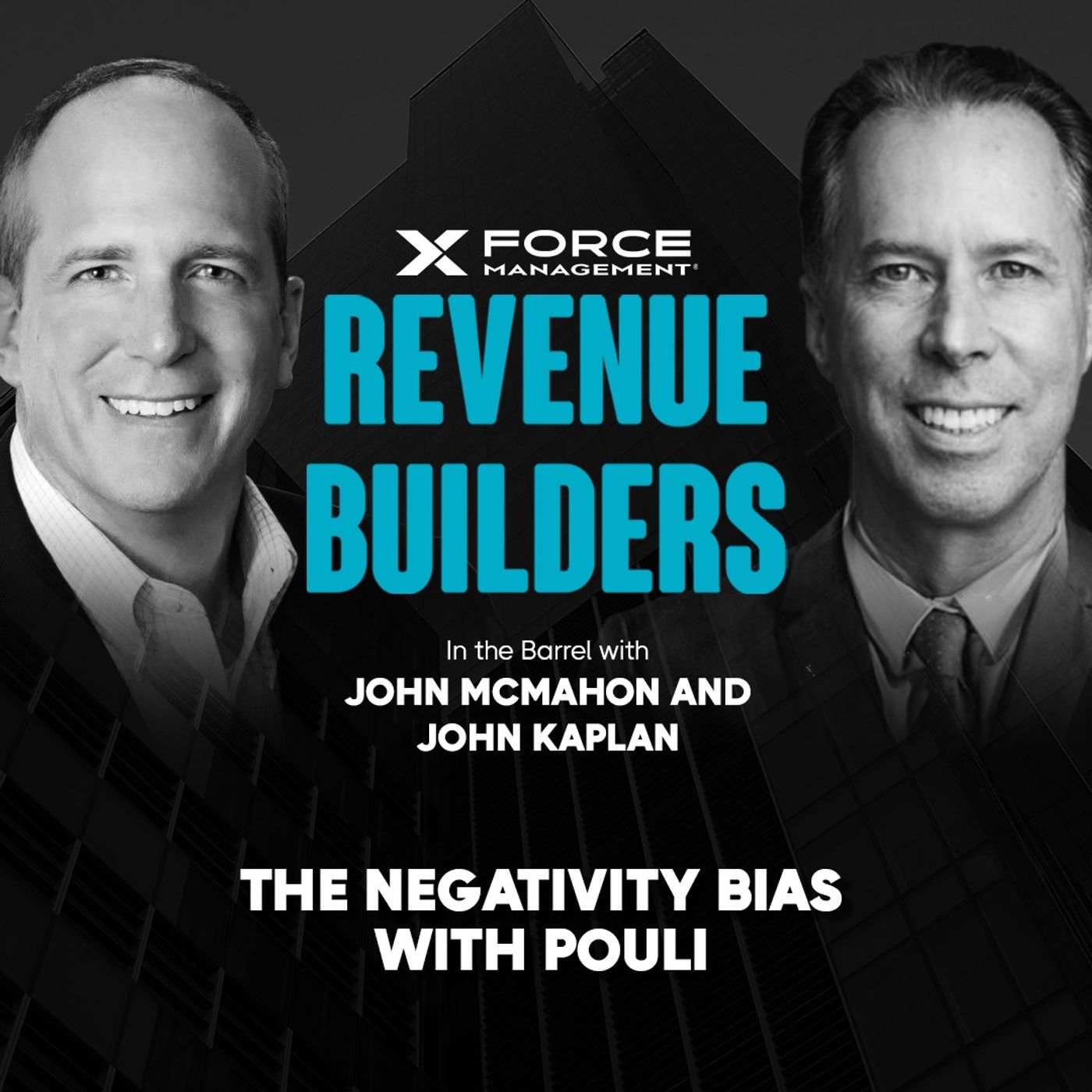
Fixating on closing a deal triggers negativity bias and creates a sense of desperation that prospects can detect. To counteract this, salespeople should shift their primary objective from 'How do I close this?' to 'How do I help this person?'. This simple reframe leads to better questions, stronger rapport, and more natural closes.
Mary Kay's core principle was to treat everyone as if they wore a sign saying "make me feel important." This simple mental model fundamentally changes interactions, shifting the focus from transactional to relational, which in turn fuels performance, loyalty, and success in both sales and leadership.
![Mary Kay Ash: The Greatest Saleswoman In History [Outliers] thumbnail](https://megaphone.imgix.net/podcasts/e183b016-cec7-11f0-90ea-27c38ce45de8/image/2d94065a7777f6297ba9350dd7be6b66.png?ixlib=rails-4.3.1&max-w=3000&max-h=3000&fit=crop&auto=format,compress)
Don't pitch features. The salesperson's role is to use questions to widen the gap between a prospect's current painful reality and their aspirational future. The tension created in this 'buying zone' is what motivates a purchase, not a list of your product's capabilities.

When a founder or leader builds a personal brand (e.g., through LinkedIn content), they create a "halo effect." Potential customers in sales meetings already feel a connection, recognizing the person from their content. This pre-establishes a modicum of trust, making it far more likely the deal will be won.

The fundamental force in a sale isn't a seller's persuasion. It's the buyer's pre-existing need to accomplish a task on their mental "to-do list." When your product (supply) fits that task better than alternatives, the buyer pulls it from you, requiring minimal convincing.

Many sales professionals master techniques but fail to connect deeply. When you are disconnected from your unique purpose and identity, prospects sense an absence. This lack of authentic presence, not flawed technique, is what causes them to disengage without understanding why.