Get your free personalized podcast brief
We scan new podcasts and send you the top 5 insights daily.
We naturally believe our perception of the world is an objective reality. When someone disagrees, this cognitive trap leads us to conclude they must be uninformed, irrational, or biased, rather than simply having a different valid perspective. Recognizing this bias in ourselves is the first step to better disagreement.
Related Insights
When facing a viewpoint you find incorrect, the instinct is to correct the facts. A better approach is to first validate the person's emotion ("It makes sense you feel X about Y"). This makes them feel heard and safe, preventing defensiveness before you present your own perspective.

When you fuse your identity with a political philosophy, any challenge to that ideology feels like a personal attack on you. This emotional reaction prevents rational debate. To foster better conversations, you must create distance between your beliefs and your fundamental sense of self.

Instead of stating a contentious view as objective fact, framing it as "my perception was..." validates your experience without attacking others. This approach acknowledges subjectivity, reduces defensiveness, and allows for authentic sharing even on polarizing topics.

Winning an argument by proving a factual point (e.g., "you were technically yelling") is a losing strategy in relationships. Therapist Terry Real's framework suggests subjective perception is what truly matters. Establishing "objective reality" invalidates your partner's experience and derails resolution.

People often confuse empathy with agreement. In collaborative problem-solving, empathy is a tool for understanding. You can completely disagree with someone's perspective while still working to accurately understand it, which is the necessary first step to finding a solution.
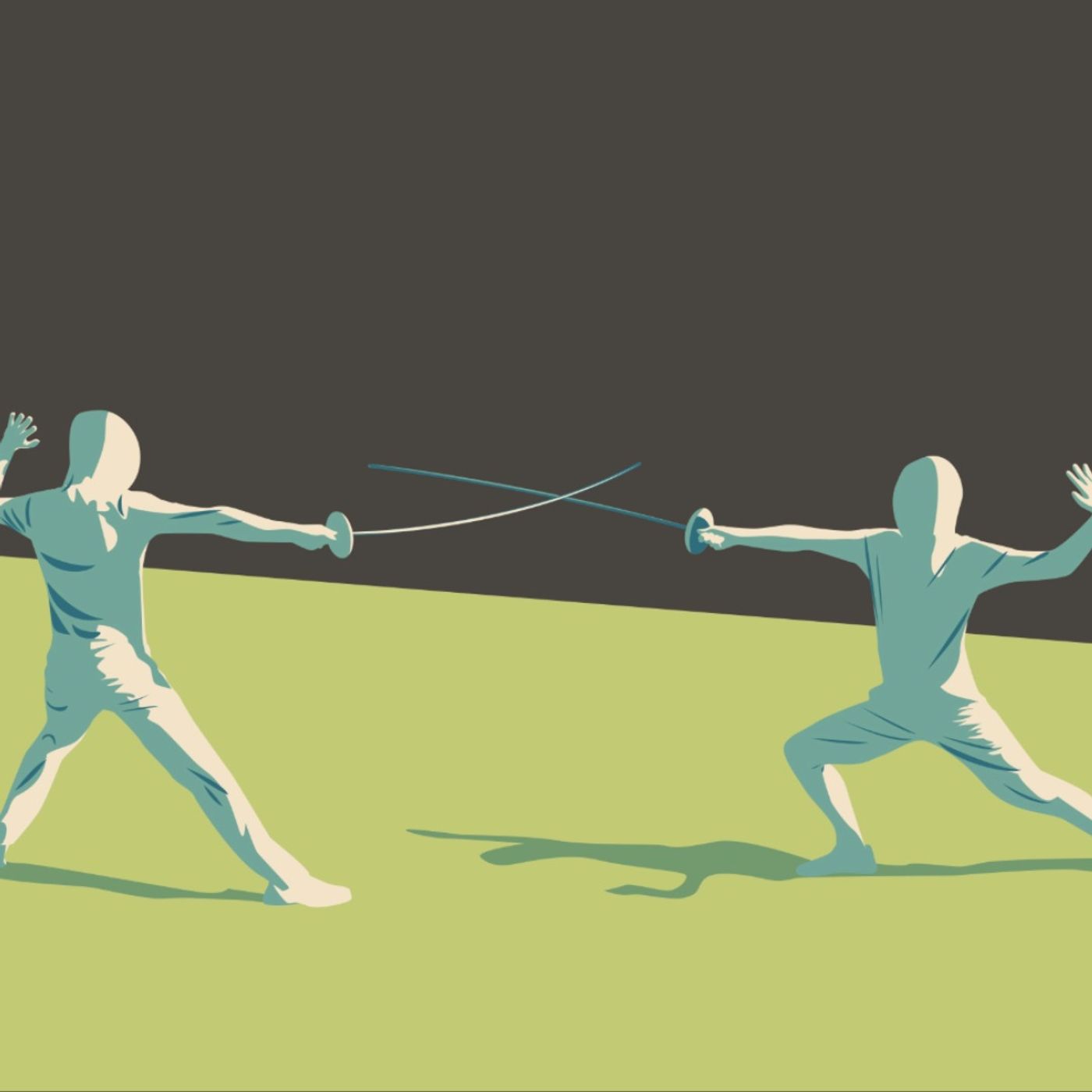
People often agree on the facts of a political event but arrive at opposite conclusions because their internal 'threat monitors' are calibrated differently. One person's 'alarming authoritarian move' is another's 'necessary step for order,' leading to intractable debates.

When confronting seemingly false facts in a discussion, arguing with counter-facts is often futile. A better approach is to get curious about the background, context, and assumptions that underpin their belief, as most "facts" are more complex than they appear.
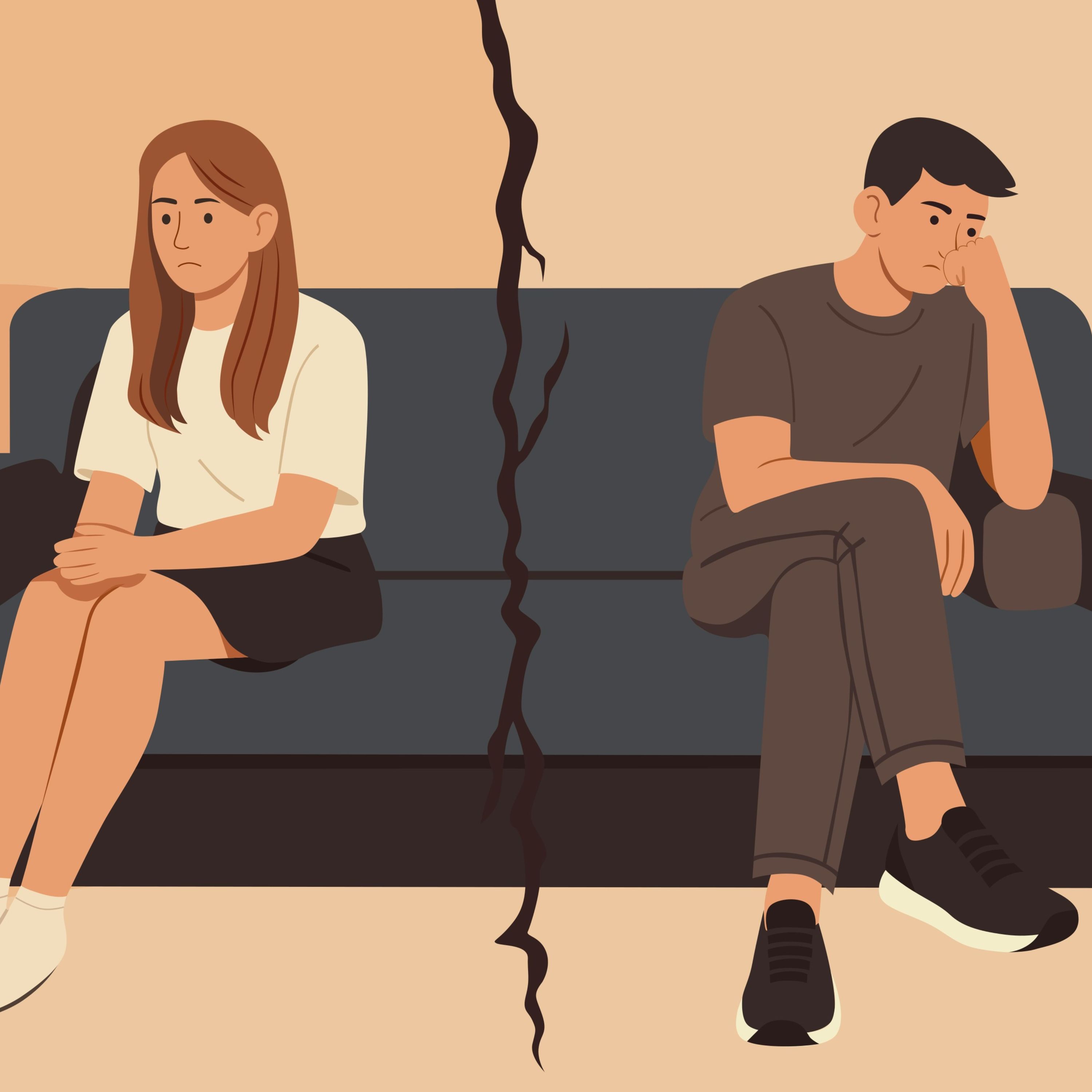
The human brain is not optimized for changing its mind based on new data, but for winning arguments. This evolutionary trait traps people in their existing frames of reference, preventing them from assessing reality objectively and finding effective solutions.

A key reason biases persist is the 'bias blind spot': the tendency to recognize cognitive errors in others while failing to see them in ourselves. This overconfidence prevents individuals from adopting helpful decision-making tools or choice architecture, as they instinctively believe 'that's them, not me.'

Humans are hardwired to escalate disagreements because of a cognitive bias called the 'fundamental attribution error.' We tend to blame others' actions on their personality traits (e.g., 'they're a cheat') far more readily than we consider situational explanations (e.g., 'they misunderstood the rules'). This assumption of negative intent fuels conflict.