Get your free personalized podcast brief
We scan new podcasts and send you the top 5 insights daily.
The key to successful AI tool onboarding isn't speed, but clarity. John Bai argues against 'skip' buttons, stating users need to understand the tool's power first to avoid action paralysis. Focus on a few core concepts in an engaging way, even if it adds steps.

Related Insights
Traditional onboarding asks users for information. A more powerful AI pattern is to take a single piece of data, like a URL or email access, immediately derive context, and show the user what the AI understands about them. This "show, don't tell" approach builds trust and demonstrates value instantly.

The obsession with removing friction is often wrong. When users have low intent or understanding, the goal isn't to speed them up but to build their comprehension of your product's value. If software asks you to make a decision you don't understand, it makes you feel stupid, which is the ultimate failure.

Contrary to the 'minimize steps to value' mantra, adding friction like user questionnaires to onboarding often boosts conversion. By asking users about their goals, you can personalize their experience, make them feel the product is for them, and guide them to the right features, improving funnel completion.

Treat your first AI agent like a new employee. Avoid giving it zero context or overwhelming it with a data dump. Instead, provide a focused briefing on who you are, what the specific job is, and point it to key resources. This onboarding process yields far better results than either extreme.
New users hesitate with open-ended AI prompts. Successful products overcome this by offering constrained, guided entry points like slash commands, templates, or contextual suggestions. This reduces user uncertainty and boosts consistent use, making adoption easier.
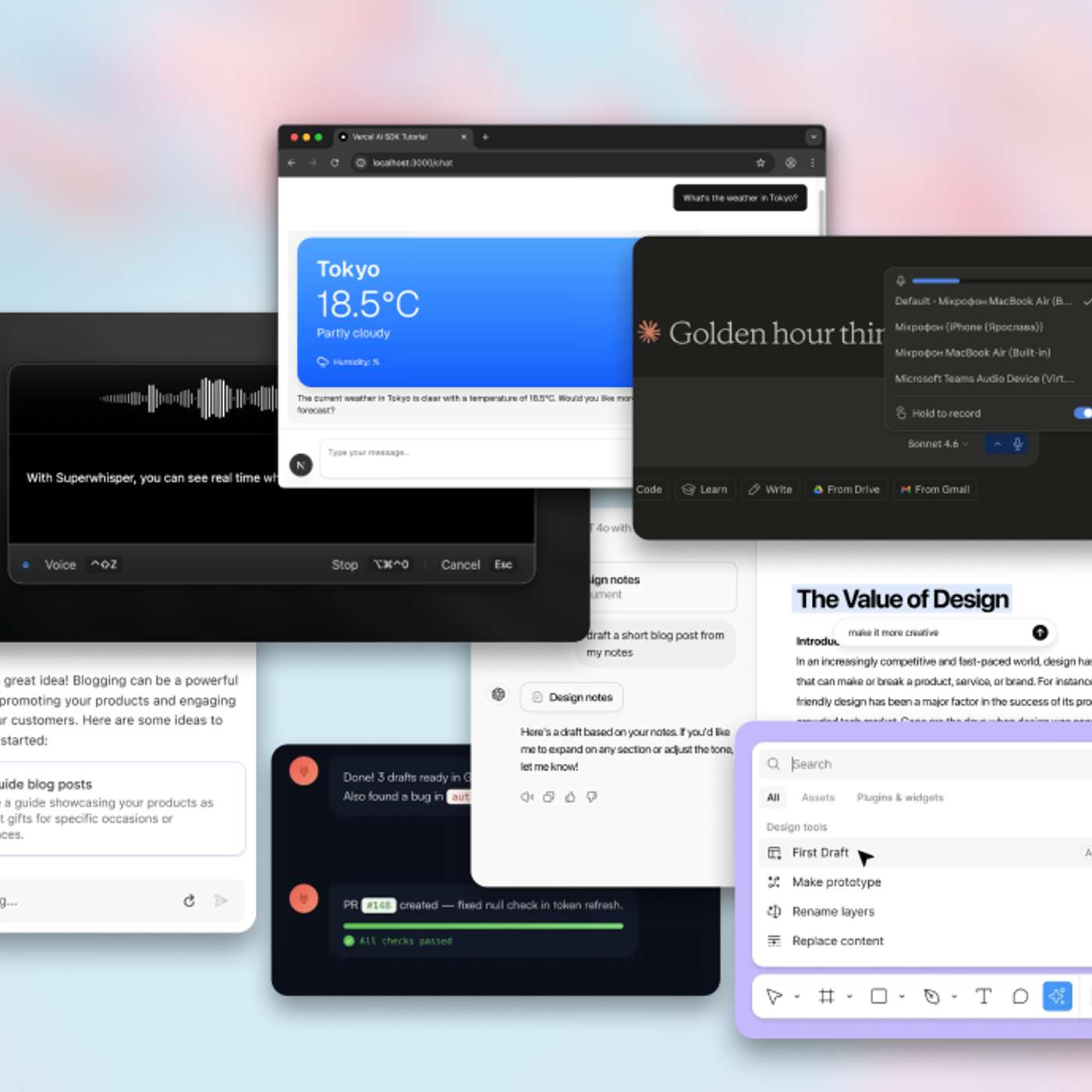
Onboarding users to complex AI capabilities through articles or tutorials is ineffective. The key to mass adoption is designing the product to 'show' its power in the moment, tailored to the user's specific context and needs. This makes the product itself the primary driver of discovery and education.

Instead of a broad onboarding, focus the entire initial user experience on achieving one specific, "brag-worthy" value event as quickly as possible. Structure this as a sprint: define the event, remove all friction, design a "click, click, value" path, and use alerts to nudge users along to that singular 'win'.

Open-ended prompts overwhelm new users who don't know what's possible. A better approach is to productize AI into specific features. Use familiar UI like sliders and dropdowns to gather user intent, which then constructs a complex prompt behind the scenes, making powerful AI accessible without requiring prompt engineering skills.

Since AI capabilities are novel, users often struggle with adoption. Rather than using traditional templates or tutorials, a more effective method is to build an AI agent or operator that guides users through the process. This approach uses the AI to teach the user how to leverage AI's potential within the product's specific context.
The most effective AI user experiences are skeuomorphic, emulating real-world human interactions. Design an AI onboarding process like you would hire a personal assistant: start with small tasks, verify their work to build trust, and then grant more autonomy and context over time.