Get your free personalized podcast brief
We scan new podcasts and send you the top 5 insights daily.
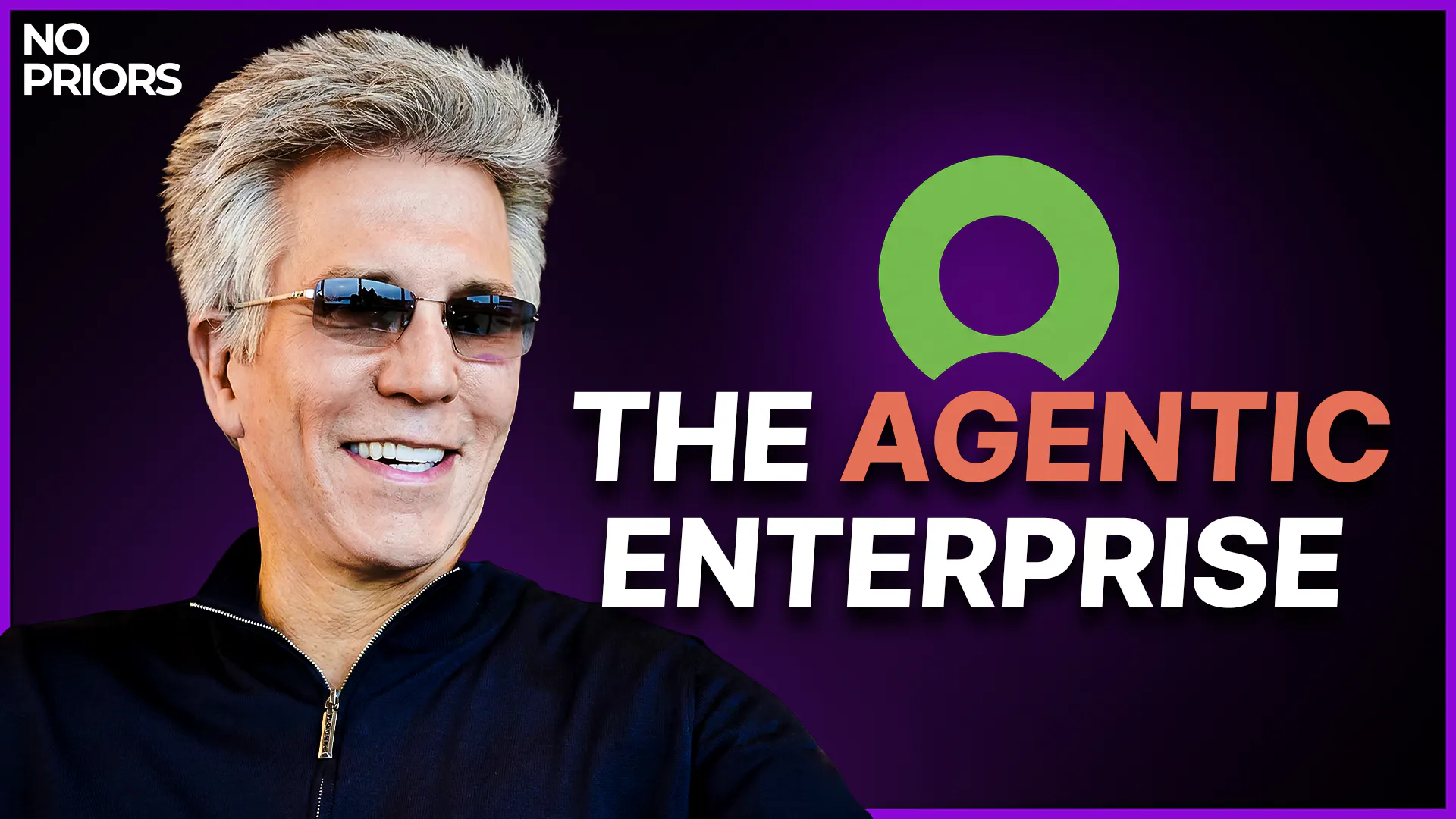
ServiceNow CEO Bill McDermott attributes his high emotional intelligence (EQ) to running a deli as a teenager, where he dealt with 500 diverse customers daily. This experience provided a critical foundation for understanding customer needs, a skill he views as essential for any business leader.
Related Insights
Zurich treats empathy as a developable skill, not a fixed personality trait. By training staff with audits and actor-led scenarios, they systematically improve customer interactions, proving that a "soft skill" can be a core business competency with measurable financial impact.

Alpine's hiring philosophy for leaders downplays resume experience, instead focusing on core attributes like grit, humility, and emotional intelligence. They believe these traits are better predictors of success and that specific business skills can be trained on top of this strong foundation.

As AI automates technical and mundane tasks, the economic value of those skills will decrease. The most critical roles will be leaders with high emotional intelligence whose function is to foster culture and manage the human teams that leverage AI. 'Human skills' will become the new premium in the workforce.

Most engineers only interact with customers during negative events like outages or escalations. To build customer empathy and a product mindset, leaders must intentionally create positive touchpoints. This includes sending engineers to customer conferences or including them on low-stakes customer calls.
Beyond table stakes like hunger and vision, the most successful founders exhibit deep empathy ("people gene"), curiosity, and high emotional intelligence. They are secure, know their weaknesses, and often have a background in team sports, understanding that company building is a team effort.

As AI handles analytical and data-driven tasks, the critical skills for salespeople shift. Emotional intelligence, listening, communication, and influencing decisions are no longer secondary 'soft' skills but have become the essential 'hard' skills that drive success and cannot be replicated by machines.

Most leaders focus on broadcasting their message. Emotionally intelligent leaders focus on reception, recognizing that one sentence can be interpreted in eight different ways by eight people. They close the loop by asking, "What did you understand from what I just said?" to ensure true alignment.

To truly understand a business, leaders should spend time in a non-scientific, operational role like IT. This 'back of house' experience provides an invaluable perspective on how an organization functions, what other teams value, and the real-world impact of change, creating a more empathetic and effective leader.

With societal and political issues increasingly entering the workplace, the most critical leadership skills have shifted. Mars' CEO argues that empathy—to listen and connect with employees on a human level—and self-awareness—to navigate sensitive topics without personal bias—are now paramount for maintaining a civil and productive corporate culture.
Contrary to common belief, empathy isn't a fixed personality trait. It's a learnable skill that can be intentionally developed through practices like creative questioning and active listening, making it an accessible and necessary competency for all leaders.