Get your free personalized podcast brief
We scan new podcasts and send you the top 5 insights daily.
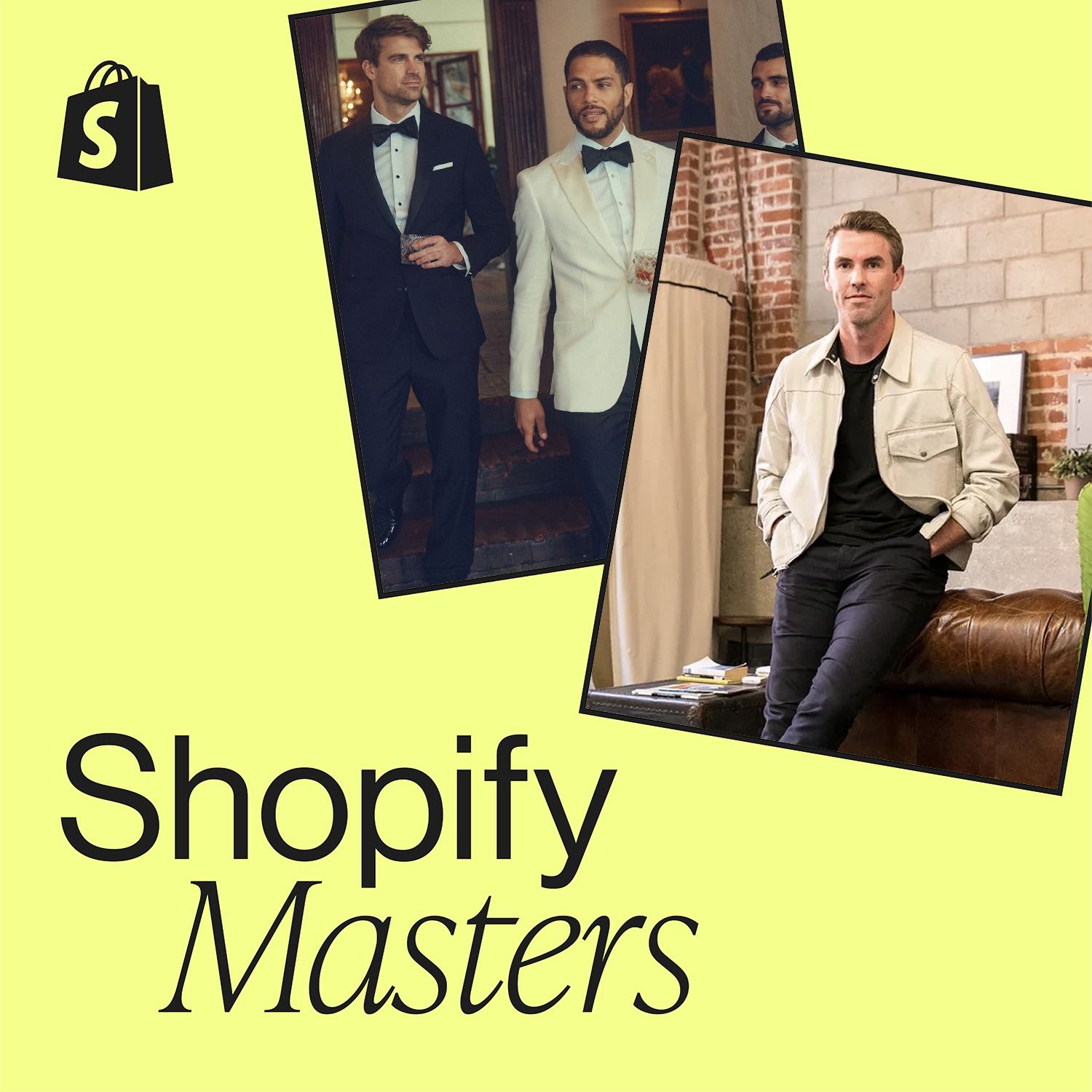
Instead of panicking over lack of inventory after a major GQ article, The Black Tux created a waitlist. This unfulfilled demand became powerful leverage, proving the market's existence to the same investors who had previously rejected them, which successfully unlocked capital.
Related Insights
Instead of viewing pre-orders as a customer inconvenience, a founder was advised to reframe them as a community-building tool. By being transparent and offering a small discount, a brand can create loyal early supporters who feel invested in the company's journey.

Instead of traditional funding, Jing used Kickstarter to pre-sell her product. This not only raised capital but also proved market demand and built a community of understanding early backers who were patient with initial production delays, a crucial buffer for a new CPG brand.

To test an idea cheaply, create a waiting list campaign instead of building a product. The number of signups is a powerful validator of market demand. The speaker validated one idea with 4,500 signups, which helped raise £250,000 in a week.

While pausing sales for 6 months to rebuild, Legora framed the delay as a consequence of overwhelming demand. They put new, signed customers into a "queue," creating scarcity and social proof that inadvertently made the product even more desirable by the time it was ready.

Instead of lining up for a limited-edition Kith jacket, the host successfully proposed sending the brand money upfront to hold, creating a personal VIP list. This strategy secures access to high-demand items by providing the brand with float.

A fashion founder worried customers wouldn't wait for pre-orders. The advice was to test the model by launching a "limited drop" with rare fabric. This turns the wait time and scarcity into elements of exclusivity and storytelling, making a potential negative (waiting) into a desirable feature (exclusivity).
Boom Supersonic secured non-binding Letters of Intent (LOIs) from major airlines early. This demonstrated market demand was crucial for convincing suppliers and investors to commit the significant capital needed for development, turning customer interest into a financing tool.
Instead of waiting for a working product, the founders invested in a conference booth with just screenshots. This early, public validation test, though risky, attracted two crucial prospects who became their first customers. This demonstrated market demand before the product was fully built, a move many founders would avoid.

Instead of rejecting applicants, Nubank placed them on a waitlist, creating scarcity and desire. They gamified it by giving priority to users invited by friends, simultaneously fueling viral growth and collecting valuable data for their credit models.
To launch Beehiiv's waitlist, the founder tweeted about "limited time" and "a few spots," admitting it was a "complete lie." This manufactured urgency successfully converted his small Twitter following into a 400-person lead list before the product was even ready.
