Get your free personalized podcast brief
We scan new podcasts and send you the top 5 insights daily.
As a self-funded startup, Mandiant couldn't rely on hype. Their entire growth strategy was to make every customer so happy they would recommend the company to others. This 'hard path' built a powerful, authentic reputation that venture-backed hype machines often lack.
Related Insights
For five years, Mailtrap was a free tool that grew slowly and organically through word-of-mouth in the developer community. This patient, community-led approach established deep-rooted trust and brand loyalty before monetization was ever considered. This foundation became a durable competitive advantage that well-funded competitors could not easily replicate.

Instead of broad marketing, Assembled focused on the 'Support Driven' Slack community, where their ideal customers congregated. They actively participated and encouraged happy customers to share experiences in relevant threads. This concentrated effort created a powerful flywheel, making them the default choice within that influential audience.

The founders of billion-dollar companies like Wealthsimple and GoBolt demonstrated an insane level of focus on customer contact. This included calling every free user within 30 seconds and personally answering the 24/7 support line. This unscalable behavior generates deep customer understanding and powerful word-of-mouth.

For over a year, Mercor focused 100% of its resources on product and customer experience, forgoing a sales team. This deep focus on flagship customers in a tight-knit industry (AI labs) generated powerful word-of-mouth that fueled its historic growth.

The founders delayed institutional funding to protect their long-term brand strategy. This freedom allowed them to avoid paid ads, which a VC might have demanded for quick growth, and instead focus on building a more powerful and sustainable word-of-mouth engine first.

Without VC funding for ads, 37signals had to earn awareness. They did this by being ruthlessly honest and sharing their unique business philosophies, a strategy DHH calls "out-teaching." This proved more effective and sustainable than traditional marketing.

To remove yourself as the marketing bottleneck, install systems that generate content automatically. Create processes to screenshot community praise, incentivize testimonials with product upgrades, document client wins, and even turn 1-star reviews into humorous marketing. This creates a content engine that doesn't rely on the founder's face.

Acknowledging they can't outspend giants like Zendesk on SEO, TeamSupport uses an "old school" growth strategy. They map their customers' professional networks, ask for direct introductions, and offer renewal discounts as incentives, creating a powerful, low-cost referral engine.

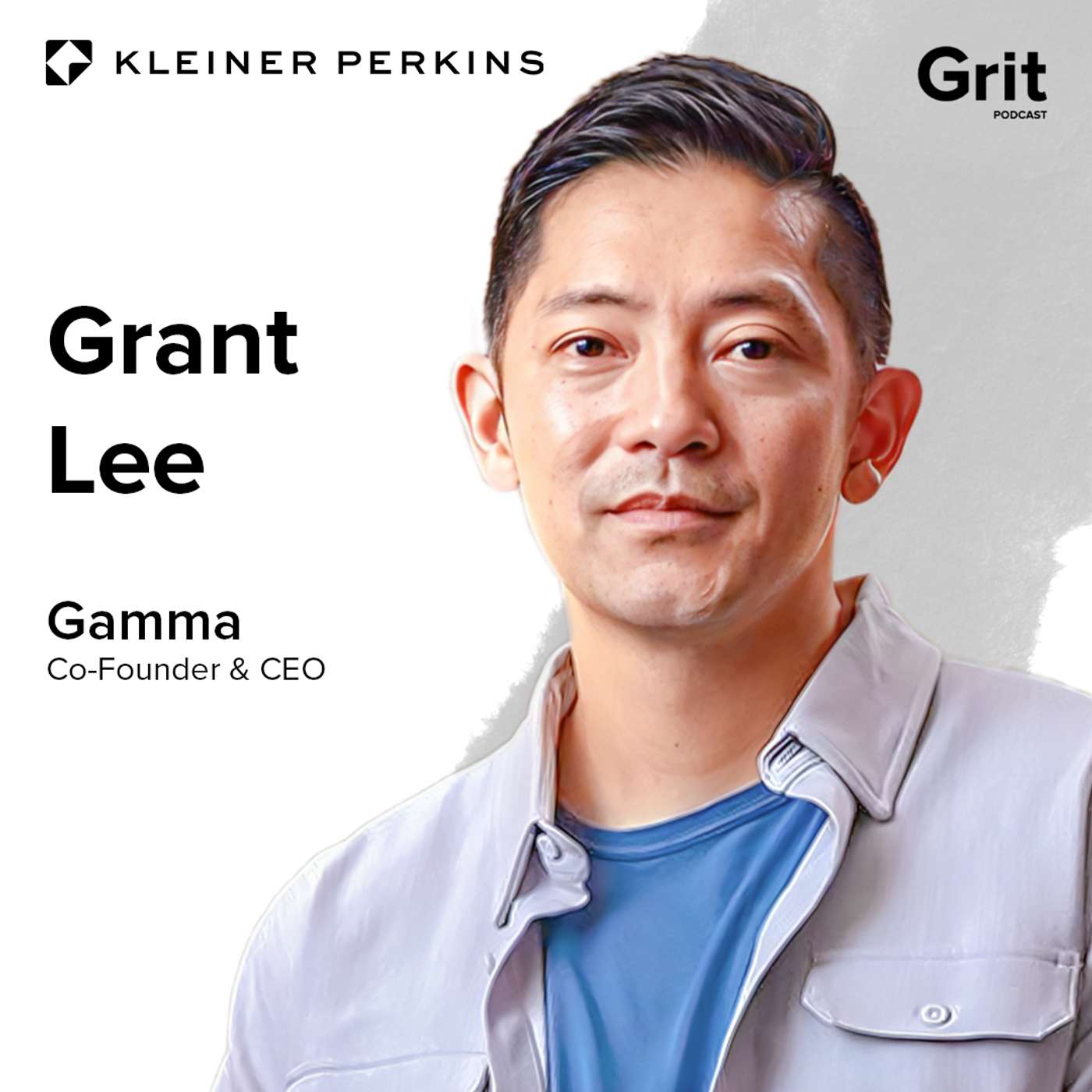
According to Gamma's CEO, if your product doesn't have strong organic word-of-mouth growth, you have not achieved true product-market fit. Any effort to scale sales, marketing, or team size before this is a waste of time and money.
Surge AI intentionally avoided VC funding and the "Silicon Valley game" of hype and fundraising. This forced them to build a 10x better product that grew via word-of-mouth, attracting customers who genuinely valued data quality instead of hype.