Get your free personalized podcast brief
We scan new podcasts and send you the top 5 insights daily.
Without VC funding for ads, 37signals had to earn awareness. They did this by being ruthlessly honest and sharing their unique business philosophies, a strategy DHH calls "out-teaching." This proved more effective and sustainable than traditional marketing.

Related Insights
James Ashford modeled his marketing on celebrity chefs who share recipes freely yet still have packed restaurants. He taught accountants exactly how to improve their pricing without his software, building trust so that when they wanted an easier solution, GoProposal was the only choice.

Asana spent $345M on vague slogans like "move work forward." In contrast, Basecamp spent just $2M on marketing, including writing a best-selling book ("Rework"), and built a compelling narrative to achieve similar customer numbers. This highlights the immense ROI of learning to tell a story versus simply buying attention.

The founders delayed institutional funding to protect their long-term brand strategy. This freedom allowed them to avoid paid ads, which a VC might have demanded for quick growth, and instead focus on building a more powerful and sustainable word-of-mouth engine first.
Encourage team members, not just founders or marketers, to build their personal brands by publicly sharing their learnings and journey. This creates an organic, multi-pronged distribution engine that attracts customers, top talent, and investors. It's a highly underrated and cost-effective go-to-market strategy.

For new companies with limited budgets, competing on ad spend is a losing game. A more effective strategy is a "guerrilla" approach: being physically present in the community, building direct relationships, and out-hustling competitors through high-effort engagement that larger, slower companies cannot easily replicate.

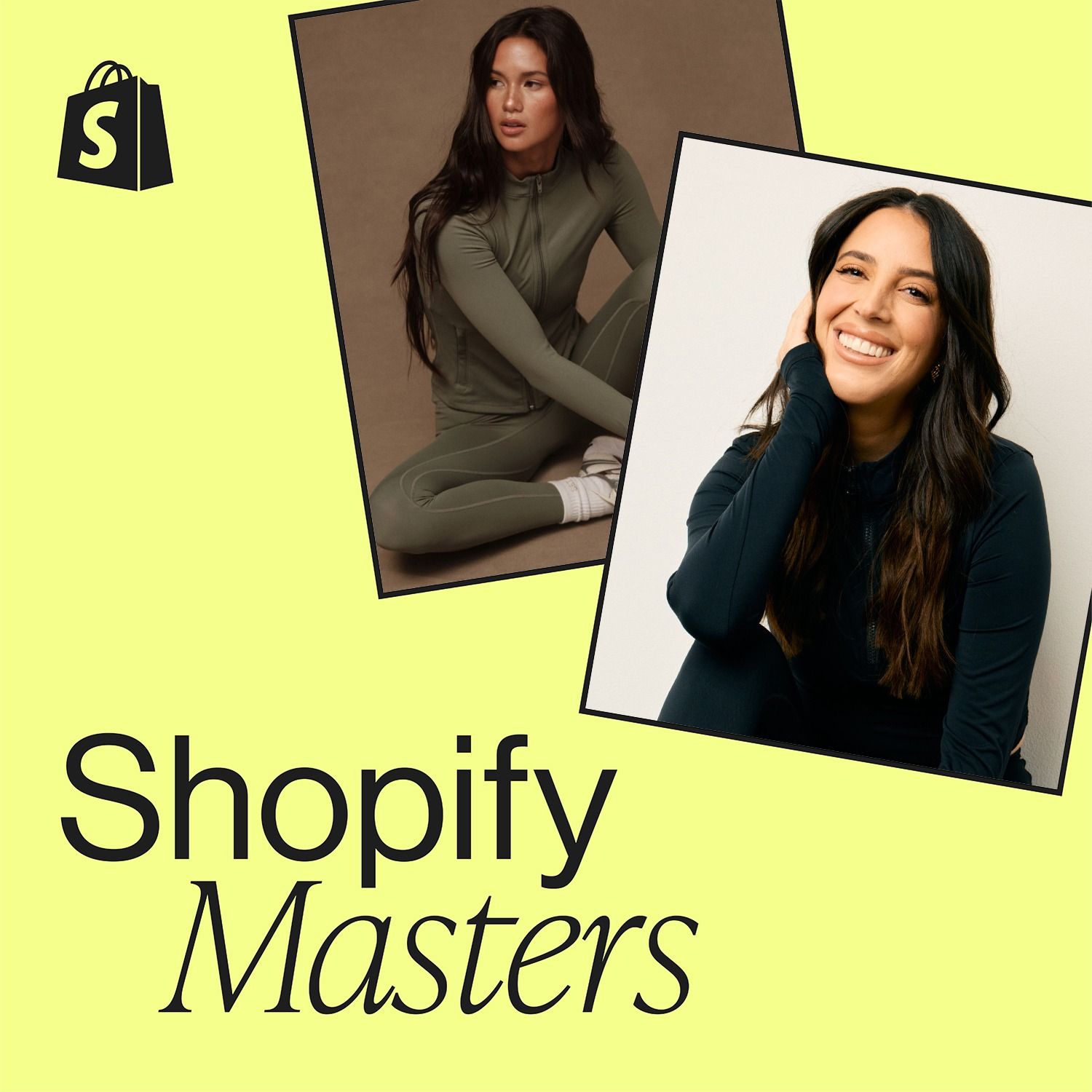
For founders without a large marketing budget, building in public isn't optional. Lindsay Carter attributes Set Active's initial hype to sharing behind-the-scenes content on her personal social media. She argues that consumers want to root for the underdog, and showing the story—failures and all—is the most effective way to build a loyal following from scratch.
Effective marketing isn't about budget size, but about identifying and mastering channels where attention is undervalued. Gary Vaynerchuk built a business with no money by mastering nascent platforms. This requires deep, tactical knowledge of channels like organic social to achieve high upside with minimal cost.

For startups competing against well-funded rivals, the key is not to outspend but to out-clarify. Rigorously defining who you are and why you are different creates a powerful brand affinity that money alone cannot buy, building a transactional business into a brand.

A smaller marketing budget can defeat a much larger one by investing in high-volume, low-cost organic social media. This strategy leverages platform algorithms to achieve massive reach that would otherwise require millions in ad spend, thus neutralizing a competitor's financial advantage.
With a minimal marketing budget (SG&A is just 5% of revenue), Interactive Brokers has achieved 30%+ annual account growth. This demonstrates that a truly superior product can create its own powerful "pull" effect, attracting high-value customers through value and word-of-mouth rather than expensive advertising.