Get your free personalized podcast brief
We scan new podcasts and send you the top 5 insights daily.
Snap's Spectacles illustrate a market paradox: if a startup launched the exact same hardware, it would likely achieve a billion-dollar valuation based on potential. As a product from a public company, however, it's judged on its immediate financial impact and drains resources, leading to stock declines.

Related Insights
Snap's valuation languishes despite a massive user base because of its extreme stock-based compensation ($2.5B in 12 months). This financial tactic inflates adjusted profits while massively diluting shareholders, revealing a fundamental disconnect between user growth and actual investor value creation.

Despite having a billion monthly active users and positive adjusted EBITDA, Snap's stock is near all-time lows. The primary reason highlighted is its staggering $2.5 billion in stock-based compensation over the last year, which severely dilutes shareholder value and raises concerns about its financial discipline.

Perplexity, reportedly valued at $20B, is paying Snap—valued at half that—$400M for distribution. This inverted dynamic, where the less mature company pays for access, highlights how AI-related market caps are often detached from fundamental business performance like revenue and user base.

Unlike Snap, which faces shareholder pressure from past losses, privately-held Midjourney launches hardware with a perception of 'pure upside.' This positive framing, free from public market baggage, grants them more latitude and excitement for experimental products, regardless of the inherent difficulty of hardware.
Snap's AR Spectacles are priced in a difficult middle ground. At $2,200, they are too expensive for the mass market where Meta's cheaper Ray-Bans succeed as a lifestyle product. Yet, they lack the dedicated enthusiast ecosystem that allows Apple to sell premium hardware like the Vision Pro, leaving them without a clear target customer.

Traditional analysis 'weighs' current performance (revenue, earnings). For disruptive companies, however, investors are often 'voting' on a future vision, a mindset more akin to venture capital. Understanding this duality is key to valuing moonshot stocks and explaining the disconnect between valuation and current financials.

By creating a separate company, Spex Inc., for its AR glasses, Snap can attract external, high-risk capital specifically for that venture. This financial structure, also used by Alphabet for Waymo, allows a public company to fund ambitious projects without diluting the core business.

Snap's core product investment rule is that a new idea must be '10 times better than the next best alternative.' Spiegel cites their early camera glasses as a failure of this principle; they weren't a significant enough improvement over a smartphone or GoPro to justify their existence or command a high price.
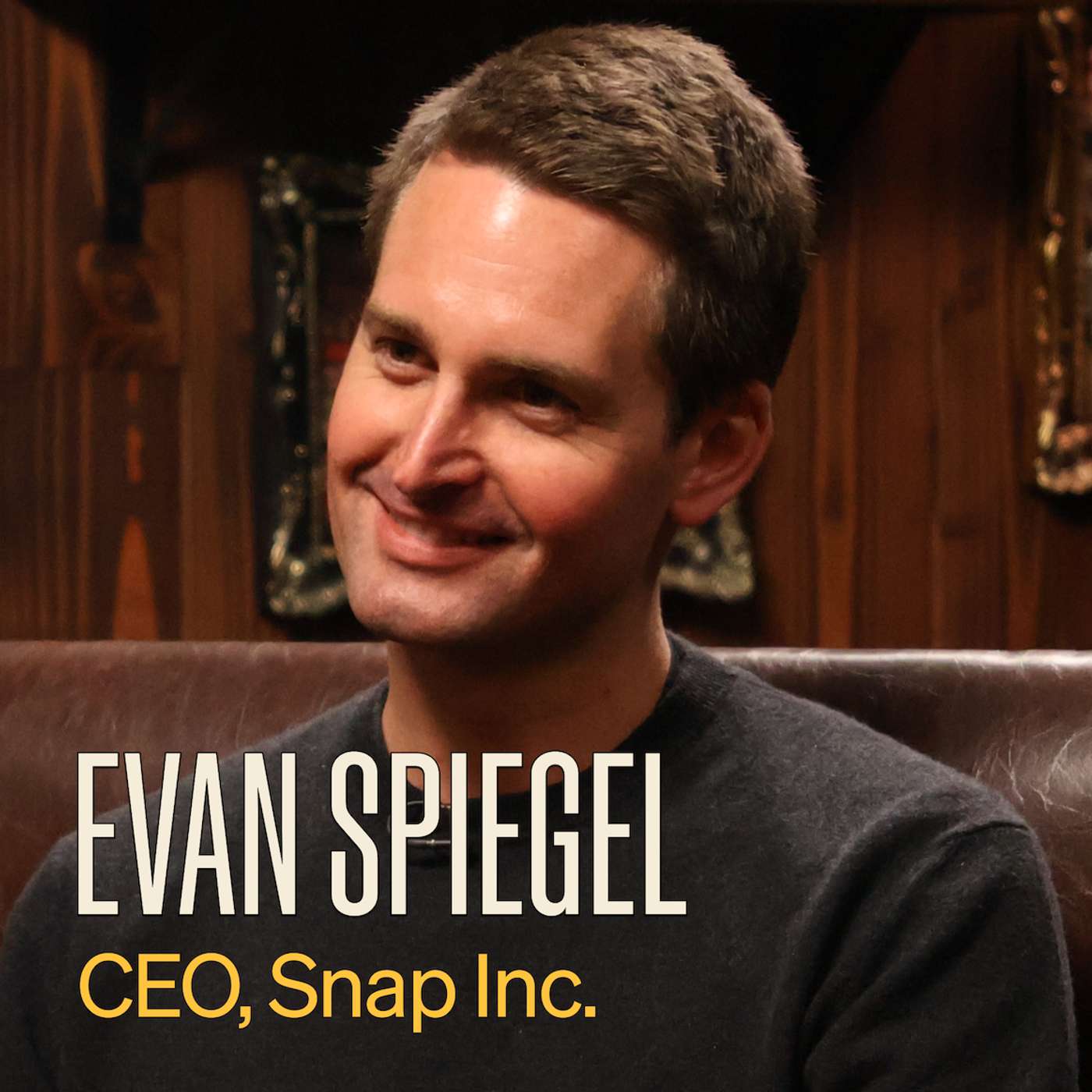
Companies like Snap are in a "crucible moment," stuck between tech giants and nimble startups. They face the high operational costs of a large user base without the revenue or market power of giants, creating intense pressure to innovate and operate efficiently.
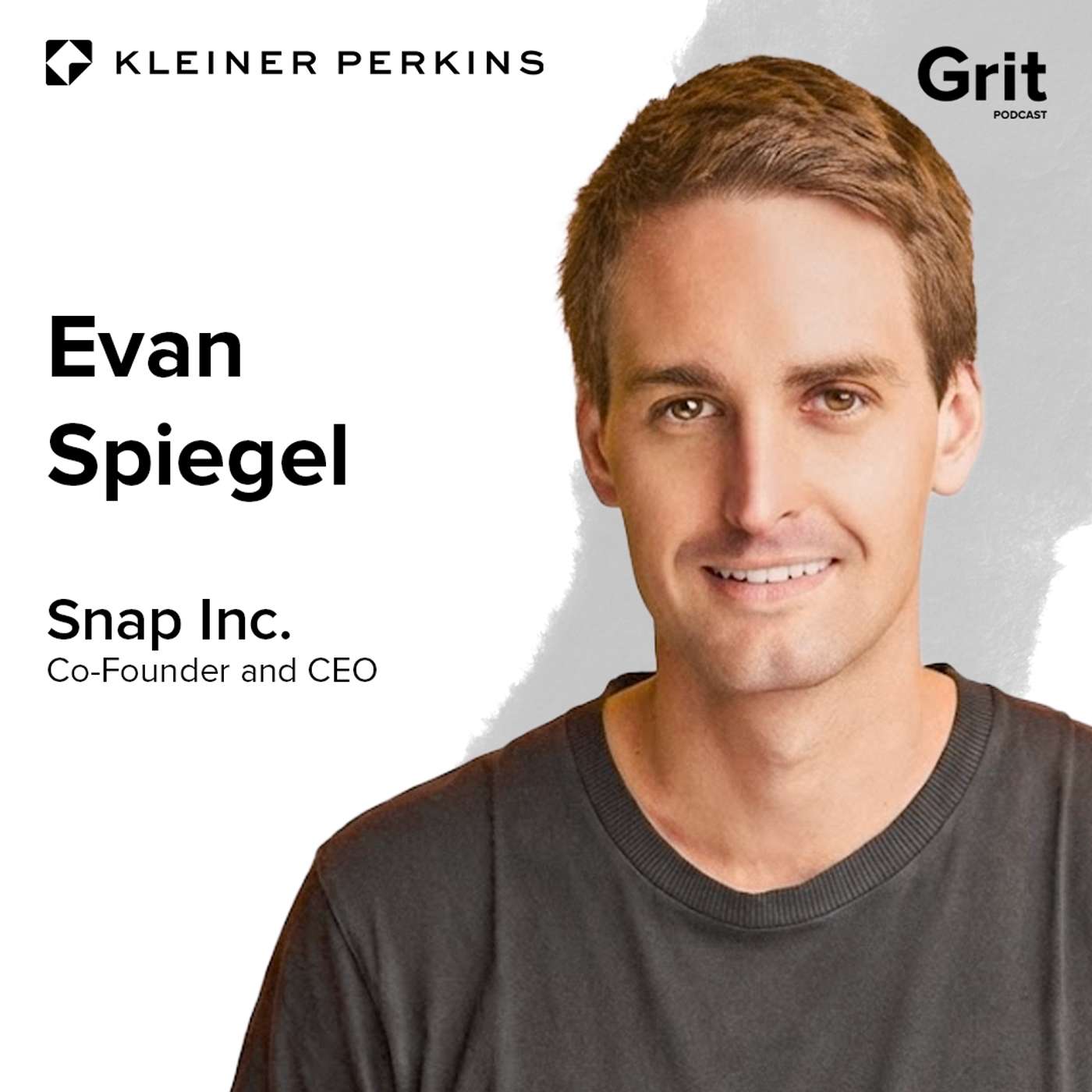
Traditional valuation doesn't apply to early-stage startups. A VC investment is functionally an out-of-the-money call option. VCs pay a premium for a small percentage, betting that the company's future value will grow so massively that their option expires 'in the money.' This model explains high valuations for pre-revenue companies with huge potential.
