Get your free personalized podcast brief
We scan new podcasts and send you the top 5 insights daily.
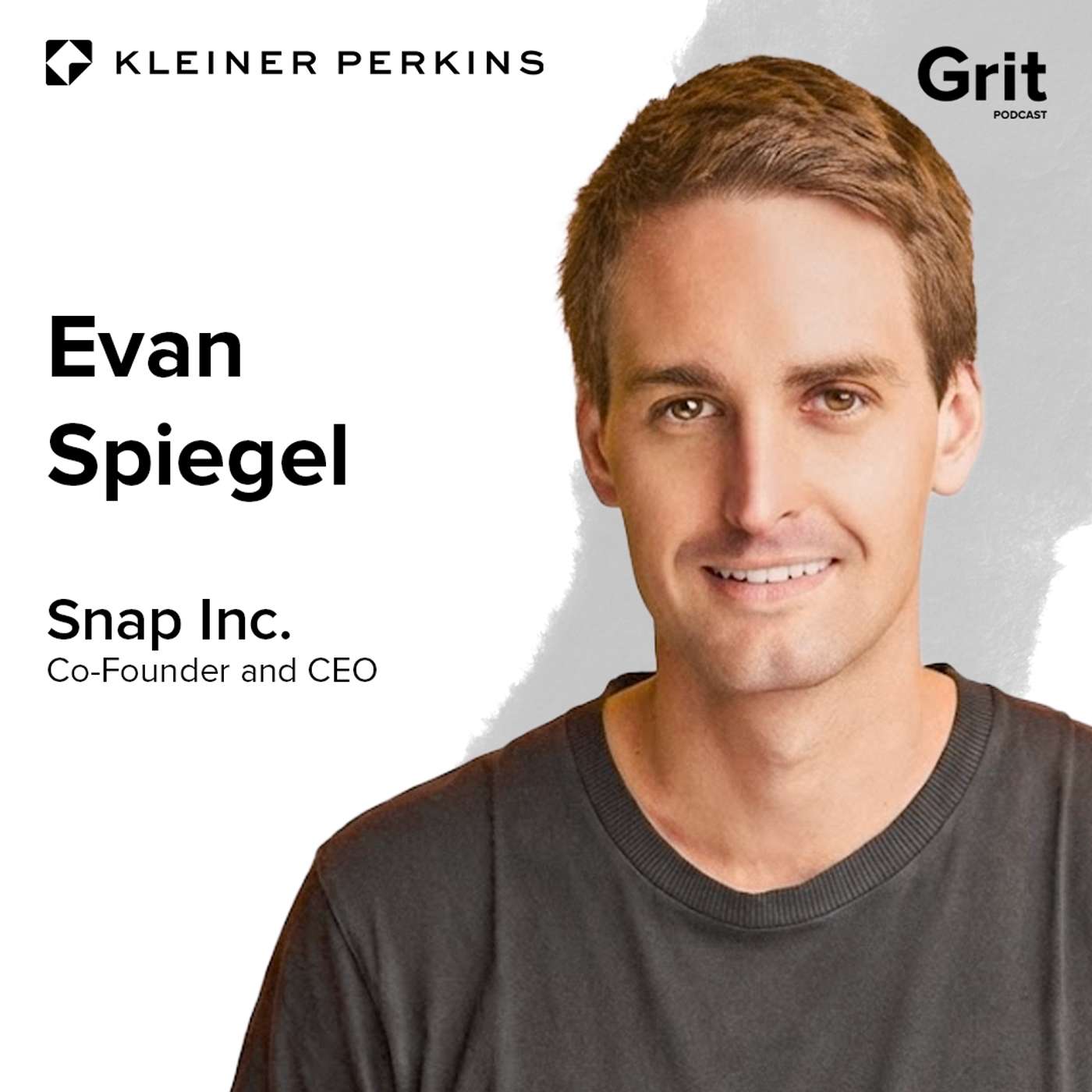
Despite having a billion monthly active users and positive adjusted EBITDA, Snap's stock is near all-time lows. The primary reason highlighted is its staggering $2.5 billion in stock-based compensation over the last year, which severely dilutes shareholder value and raises concerns about its financial discipline.

Related Insights
Michael Burry's thesis is that aggressive stock-based compensation (SBC) at companies like Nvidia significantly distorts their valuations. By treating SBC as a true owner's cost, a stock appearing to trade at 30 times earnings might actually be closer to 60 times, mirroring dot-com era accounting concerns.

Meta's valuation is suppressed relative to other mega-caps because investors are uncomfortable with Mark Zuckerberg's massive spending on speculative AI and Reality Labs projects. The core ad business is thriving, but he's growing expenses even faster, prioritizing long-term vision over short-term shareholder returns.

Despite Meta's core business strength and Reels' massive success ($50B run rate), the stock is hampered by a lack of investor confidence in Mark Zuckerberg's long-term, costly metaverse strategy—a stark contrast to how investors eventually embraced Jeff Bezos's AWS bet.

Perplexity, reportedly valued at $20B, is paying Snap—valued at half that—$400M for distribution. This inverted dynamic, where the less mature company pays for access, highlights how AI-related market caps are often detached from fundamental business performance like revenue and user base.

A stock price disconnected from fundamentals can be a powerful tool. As seen with Meta in 2022, a low stock price hinders recruitment. Conversely, a high stock price acts as a valuable currency for equity compensation, allowing companies to attract and retain elite employees, even if investors are skeptical of the valuation.
Snap's $400M deal with Perplexity, paid largely in stock, pioneers a new strategy for consumer platforms. They can leverage their massive user bases as a capital asset, trading distribution for significant equity stakes in capital-rich AI startups that desperately need user growth.

Gifting non-performance-based shares to all employees doesn't foster an 'owner mindset.' True ownership thinking is better cultivated through incentives tied to specific, controllable outcomes, like targeted cash bonuses. Standard equity compensation often just becomes another part of the salary package, disconnected from individual impact.
Chasing high, unrealized valuations is dangerous. It makes common stock prohibitively expensive, undermining the potential for life-changing wealth for employees—a key recruiting tool. It also narrows a company's strategic options, locking it into a high-stakes path where anything less than exceeding the last valuation is seen as failure.
Companies like Snap are in a "crucible moment," stuck between tech giants and nimble startups. They face the high operational costs of a large user base without the revenue or market power of giants, creating intense pressure to innovate and operate efficiently.
OpenAI's $50 billion employee stock pool, set for the next five years, rivals the historical compensation spend of public giants like Meta ($66B) but on a fraction of the revenue. This aggressive strategy shows investors accept massive dilution as a necessary cost to win the AI talent war against established tech titans.