Get your free personalized podcast brief
We scan new podcasts and send you the top 5 insights daily.
By creating a separate company, Spex Inc., for its AR glasses, Snap can attract external, high-risk capital specifically for that venture. This financial structure, also used by Alphabet for Waymo, allows a public company to fund ambitious projects without diluting the core business.

Related Insights
For spin-offs like Waymo, bringing in investors like Silver Lake is a strategic move. It introduces an independent board and external pressure to perform, creating accountability and a clear path to liquidity (like an IPO) that is harder to achieve under the parent company's sole governance.

Large tech companies are creating SPVs—separate legal entities—to build data centers. This strategy allows them to take on significant debt for AI infrastructure projects without that debt appearing on the parent company's balance sheet. This protects their pristine credit ratings, enabling them to borrow money more cheaply for other ventures.

Alphabet's success with long-term projects like Waymo illustrates a key innovation model. The stable cash flow from a core business provides a safety net, allowing high-risk, capital-intensive ventures to survive years of losses and uncertainty—a luxury most VC-backed startups don't have.

Snap's $400M deal with Perplexity, paid largely in stock, pioneers a new strategy for consumer platforms. They can leverage their massive user bases as a capital asset, trading distribution for significant equity stakes in capital-rich AI startups that desperately need user growth.

Founders with personal wealth and companies with massive cash-cow businesses, like Google's search ads, can afford to pursue high-risk, long-term projects like Waymo. This financial security allows them to endure long periods of unprofitability in pursuit of breakthrough innovations.

Rion structures itself as a central "hub" with core technology, then creates separate "spoke" companies for verticals like veterinary or cosmetics. These spokes raise their own targeted capital, allowing Rion to fund platform development without constant dilution at the parent company level and diversifying funding risk.

Frame moonshot projects like Google's Waymo not as singular bets, but as platforms for innovation. Even if the primary goal fails, the project should be structured to spin off valuable 'side effects'—advances in component technologies like AI, mapping, or hardware that benefit the core business.
Companies pursuing revolutionary technologies like autonomous driving (Waymo) or VR (Reality Labs) must endure over a decade of massive capital burn before profitability. This affirms venture capital's core role in funding these long-term, high-risk, high-reward endeavors.

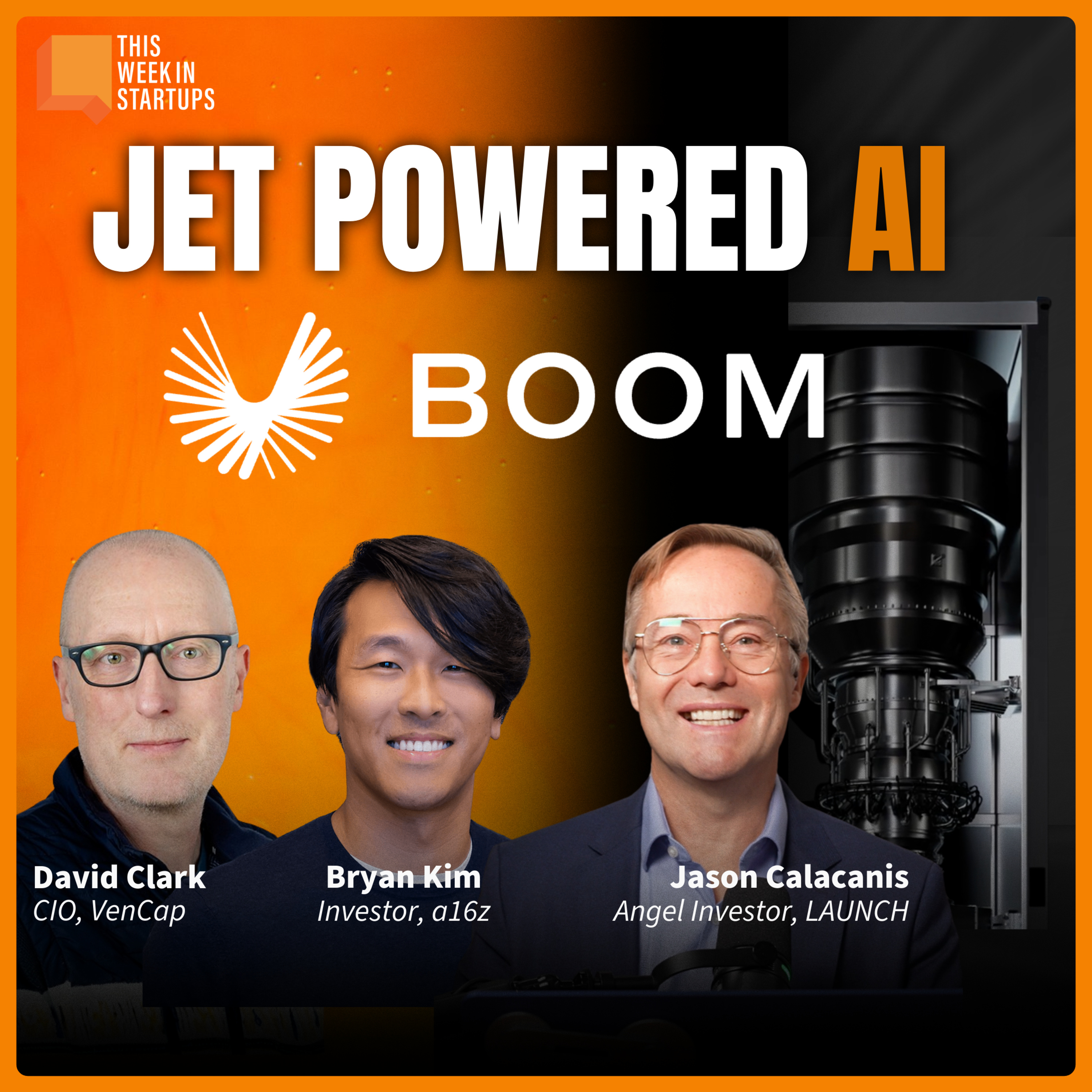
Boom Supersonic's move to power data centers with its engines isn't a failure, but a strategic way to fund its capital-intensive vision. This mirrors early Tesla's survival tactic of doing contract engineering for other automakers. Such projects can be a crucial source of non-dilutive capital for deep tech companies.
Companies like Meta are partnering with firms like Blue Owl to create highly leveraged (e.g., 90% debt) special purpose vehicles (SPVs) to build AI data centers. This structure keeps billions in debt off the tech giant's balance sheet while financing an immature, high-demand asset, creating a complex and potentially fragile arrangement.
