Get your free personalized podcast brief
We scan new podcasts and send you the top 5 insights daily.
Snap's AR Spectacles are priced in a difficult middle ground. At $2,200, they are too expensive for the mass market where Meta's cheaper Ray-Bans succeed as a lifestyle product. Yet, they lack the dedicated enthusiast ecosystem that allows Apple to sell premium hardware like the Vision Pro, leaving them without a clear target customer.

Related Insights
Unlike Apple's high-margin hardware strategy, Meta prices its AR glasses affordably. Mark Zuckerberg states the goal is not to profit from the device itself but from the long-term use of integrated AI and commerce services, treating the hardware as a gateway to a new service-based ecosystem.

Meta is laying off staff in its metaverse division, shifting focus from VR to AR. The move is a response to clear market signals: the AR-driven Ray-Ban smart glasses sold 2 million pairs, while the VR-centric Horizon Worlds has fewer than 200,000 monthly users.

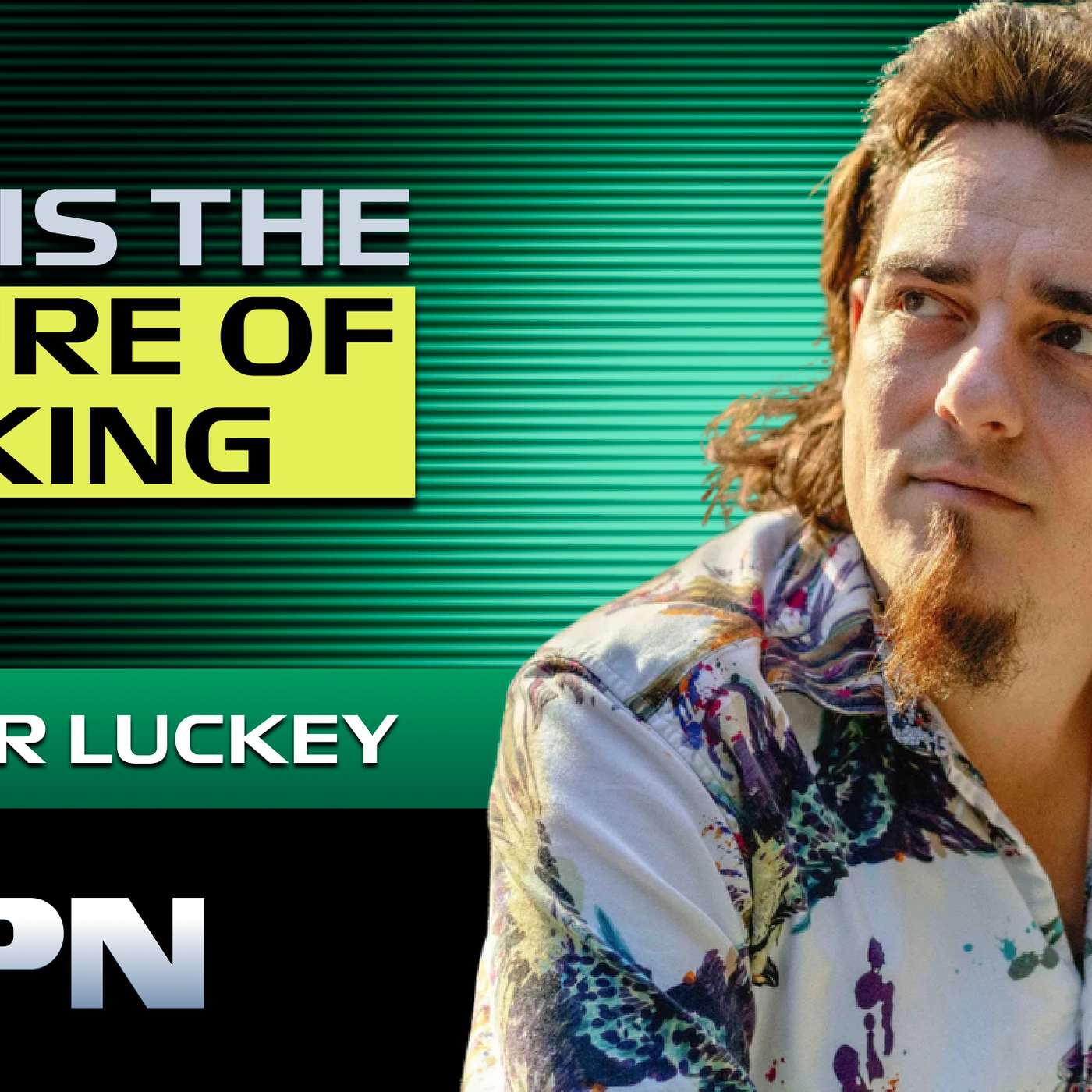
Luckey claims the Vision Pro's high cost stems from using low-yield, expensive "engineering sample" displays not ready for mass production. He frames it as a 2027 product launched in 2024 by spending heavily, implying competitors will soon match its visual quality at a fraction of the cost.
While Meta's VR-centric metaverse like Horizon Worlds has failed, the massive investment was not a complete waste. The hardware R&D from that era provided the foundation for its successful Ray-Ban smart glasses and gave it a significant headstart in the emerging market for AI-powered consumer wearable devices.

The product strategy treats the glasses like an escalator that becomes stairs when broken. Their core utility as Ray-Bans provides value even without battery, making them an easy addition to a user's life rather than another gadget to manage.

Luckey argues analysts misunderstand the Vision Pro's strategy. At $3,500, it's not a mass-market product. Its goal is to make VR highly desirable and aspirational. By solving the "want" problem first, Apple primes the market for future, lower-cost versions, avoiding the trap of making a cheap product nobody wants.
![Palmer Luckey - Inventing the Future of Defense - [Invest Like the Best, CLASSICS] thumbnail](https://megaphone.imgix.net/podcasts/f7c9aa8e-cb8d-11f0-828e-0b281809c10a/image/cc07f91ec47f95abbde771a4956b37b7.jpg?ixlib=rails-4.3.1&max-w=3000&max-h=3000&fit=crop&auto=format,compress)
Snap's core product investment rule is that a new idea must be '10 times better than the next best alternative.' Spiegel cites their early camera glasses as a failure of this principle; they weren't a significant enough improvement over a smartphone or GoPro to justify their existence or command a high price.
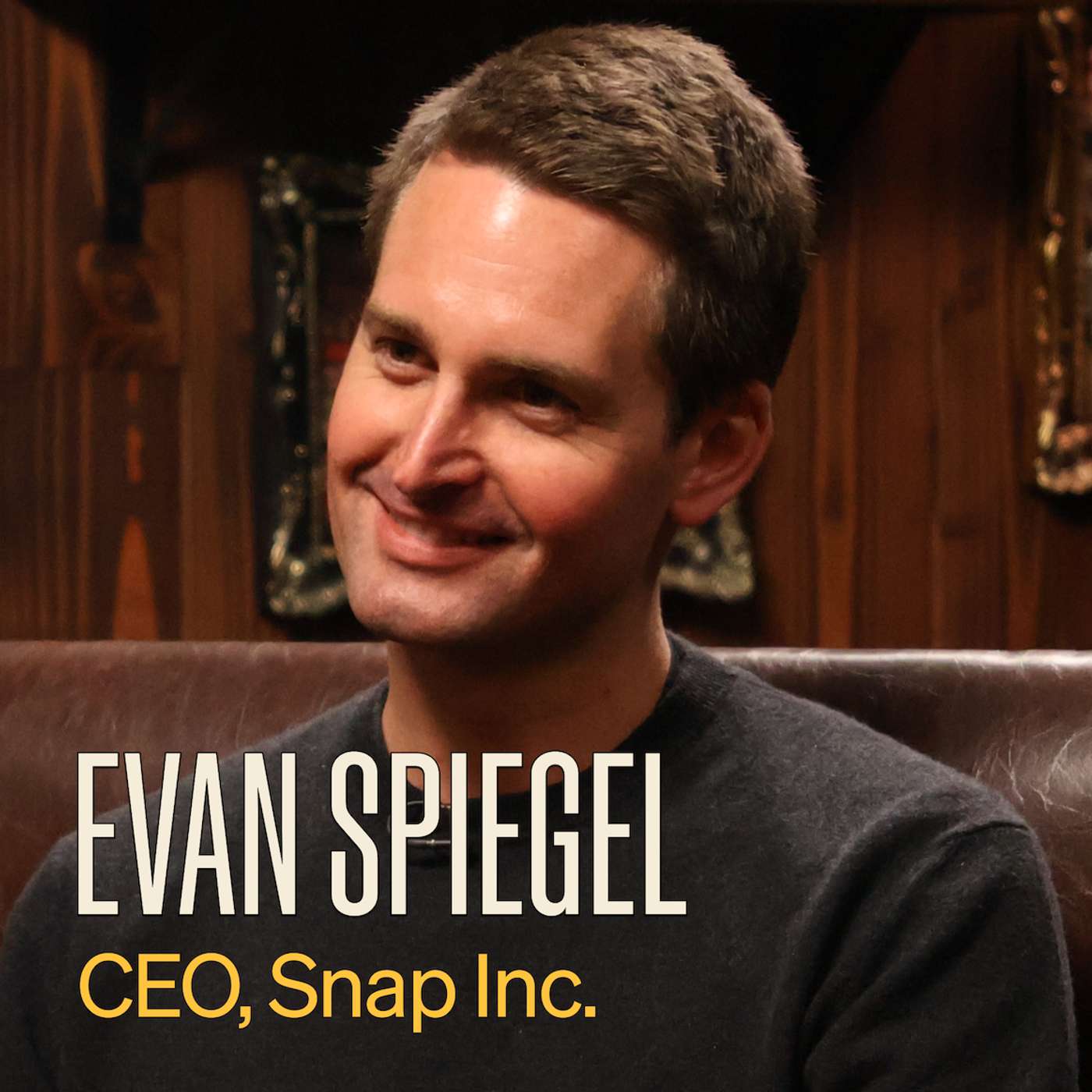
Evan Spiegel predicts AR glasses won't immediately replace smartphones. Instead, their first major use case will be displacing large screens. He argues that having a huge, private, portable screen for work or entertainment is a more compelling initial value proposition than full smartphone replacement.
Snap CEO Evan Spiegel sees the winning AR form factor occupying a 'sweet spot': the wearability of normal glasses combined with the spatial computing power of a device like the Vision Pro. This positions Spectacles between today's simplistic 'AI glasses' and fully immersive, but isolating, VR headsets.
While wearable tech like Meta's Ray-Ban glasses has compelling niche applications, it requires an overwhelming number of diverse, practical use cases to shift consumer behavior from entrenched devices like the iPhone. A single 'killer app' or niche purpose is insufficient for mass adoption.