Get your free personalized podcast brief
We scan new podcasts and send you the top 5 insights daily.
Move beyond simple AI editors by using a plugin like Remotion that connects to a large language model such as Claude. This allows you to provide editing instructions in plain English, describing the desired B-roll, captions, and cuts, letting the AI execute your creative vision.

Related Insights
Seedance V2's multi-input capability—combining images, videos, and audio—makes it function more like an advanced video editor than a simple text-to-video tool. This reframes its use case from pure creation to complex modification and composition, enabling tasks like character and background replacement within existing footage.

Tools like Remotion, integrated into AI environments like Claude Code, allow for the programmatic creation of video ads. This eliminates the need for complex video editing software, enabling rapid generation and testing of numerous ad variations directly from the terminal.
Most generative AI tools get users 80% of the way to their goal, but refining the final 20% is difficult without starting over. The key innovation of tools like AI video animator Waffer is allowing iterative, precise edits via text commands (e.g., "zoom in at 1.5 seconds"). This level of control is the next major step for creative AI tools.

Tools like Google Flow are more than just video renderers. They function as a creative partner, assisting with brainstorming, storyboarding, and framing scenes. This shifts the user's role from a hands-on creator to a director collaborating with an AI producer, democratizing complex creative work.
Video editing can be automated without technical skill by using an AI as an orchestrator. By giving Claude access to a plugin like Remotion, you can use natural language prompts to direct it to access raw video files and perform complex edits, turning a creative brief into a near-finished video automatically.
The next leap in video generation won't come from monolithic models but from AI agents. These LLM-driven agents will use a suite of tools—including diffusion models, video editors like FFmpeg, and image editors—to iteratively create and refine complex, long-form videos.
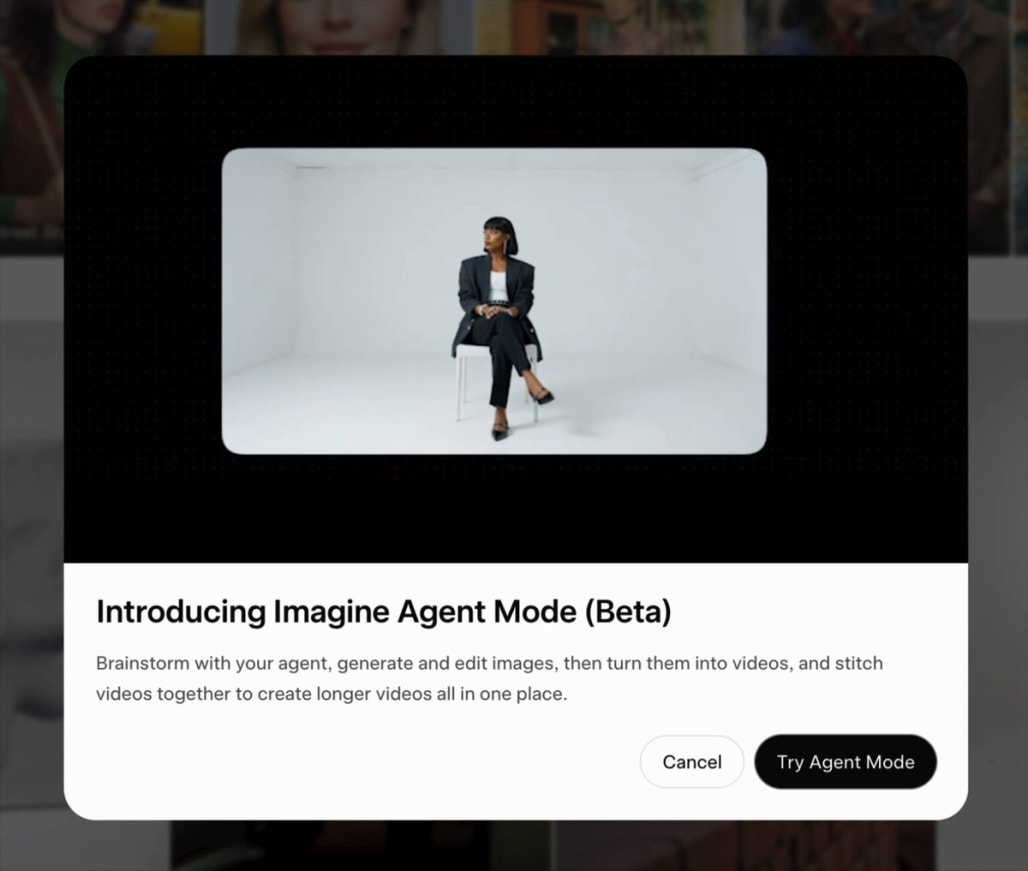
YouTube's new AI editing tool isn't just stitching clips; it intelligently analyzes content, like recipe steps, and arranges them in the correct logical sequence. This contextual understanding moves beyond simple montage creation and significantly reduces editing friction for busy marketers and creators.
The workflow of generating AI video scene-by-scene and stitching clips together is becoming obsolete. Newer models like Kling 3.0 can interpret multi-scene prompts, creating a single, continuous video with multiple shots. This drastically simplifies production and improves narrative coherence.

Streamline video pre-production by nesting tasks. When prompting an AI agent to research a topic, also instruct it to generate potential B-roll footage ideas or visuals as it discovers information. This combines the research and shot-listing phases into a single, efficient workflow.

Marketers without video editing skills can now produce high-quality videos. By instructing an AI agent to use an open-source library like Remotion, you can generate and edit complex, animated videos entirely through text commands.
