Get your free personalized podcast brief
We scan new podcasts and send you the top 5 insights daily.
Tools like Remotion, integrated into AI environments like Claude Code, allow for the programmatic creation of video ads. This eliminates the need for complex video editing software, enabling rapid generation and testing of numerous ad variations directly from the terminal.

Related Insights
With AI workflows generating thousands of creative variations in minutes, the primary job is no longer the manual act of creation. The critical skill becomes curation: building the right automated systems upfront and then strategically selecting winning assets from a massive pool of options.

The next evolution, the Generative Ads Recommendation Model (GEM), aims to fully automate ad creation. Marketers will simply provide an image and a budget, and the AI will generate the entire ad library. This shifts the marketer's primary value from ad creation to optimizing the post-click customer journey and offer.

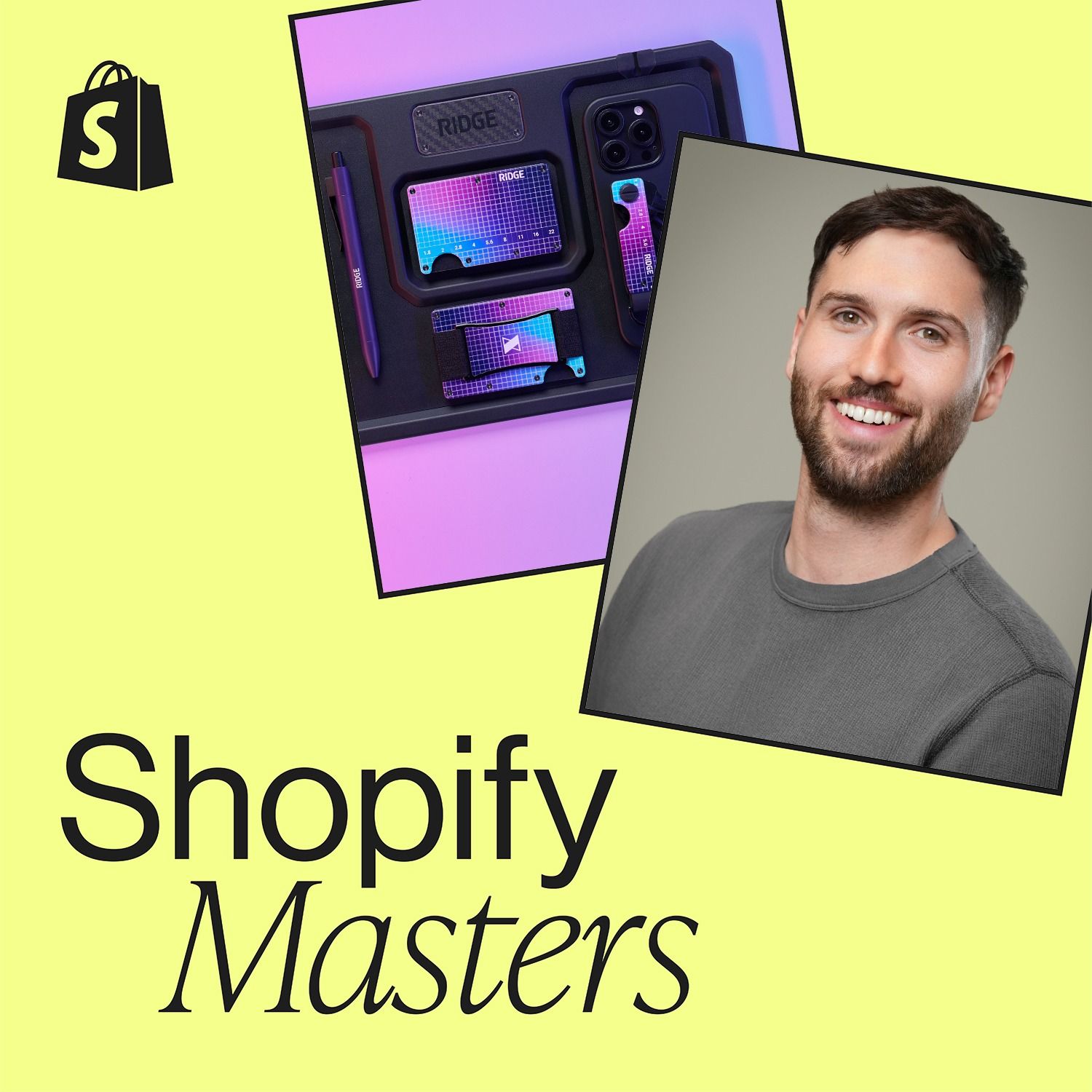
AI video creative is no longer theoretical. E-commerce company Ridge reports that it is running full-blown AI-generated videos that are "winners in the ad account." These assets now command up to a third of the company's total ad spend, proving their real-world performance.

The largest advertisers on platforms like Meta launch over 10,000 new creatives a year, equating to more than 40 per workday. This massive scale of experimentation is manually impossible for most companies, creating a clear market need for AI platforms that automate and scale video production.

Successful AI video production doesn't jump from text to video. The optimal process involves scripting, using ChatGPT for a shot list, generating still images for each shot with tools like Rev, animating those images with models like VEO3, and finally, editing them together.
AI tools allow for incredibly fast turnarounds, enabling brands to create ads that are timely and specific to current events, like the NBA Finals. This is impossible with traditional, long-lead-time production cycles.
The cost of creating a sophisticated, multi-clip AI video ad, including all image and video generations, can be astonishingly low—as little as two dollars. This radical reduction in production costs democratizes high-quality video creation, making it accessible to nearly anyone, regardless of budget.
Traditionally, creating variations of creative assets like ads or designs required significant time and cost. With AI, generating countless alternatives is nearly free. This allows marketers and creators to iterate endlessly on a promising idea, moving from "give me 5 options" to "give me 5 more based on this best one" repeatedly.

Ridge automates ad creation using a custom GPT and N8N, producing 500 static ads daily. Even if 90% are unusable, the remaining 50 ads provide a constant stream of testable creative, increasing the chances of finding winning variants for personalized campaigns at scale.
Top creators like Mr. Beast relentlessly A/B test thumbnails and video intros to maximize views. AI video platforms now bring this data-driven experimentation to SMBs, allowing them to rapidly test variations of spokespeople, demographics, and creative elements to optimize ad performance.