Get your free personalized podcast brief
We scan new podcasts and send you the top 5 insights daily.
The workflow of generating AI video scene-by-scene and stitching clips together is becoming obsolete. Newer models like Kling 3.0 can interpret multi-scene prompts, creating a single, continuous video with multiple shots. This drastically simplifies production and improves narrative coherence.

Related Insights
Advanced generative media workflows are not simple text-to-video prompts. Top customers chain an average of 14 different models for tasks like image generation, upscaling, and image-to-video transitions. This multi-model complexity is a key reason developers prefer open-source for its granular control over each step.

Google's NotebookLM now generates "cinematic video overviews," a leap beyond simple slideshows. By orchestrating its Gemini models to act as a "creative director" for narrative and style, Google is strategically demonstrating its leadership in multimodal AI with a practical, high-value application that differentiates it from competitors.

A systematic approach to AI video can reduce production time by over 90%. The process involves: 1) Finalizing the core idea, 2) Creating a detailed storyboard with scenes and dialogue, 3) Generating static reference images for each scene, and 4) Generating video clips and performing a final edit.

The future of creative AI is moving beyond simple text-to-X prompts. Labs are working to merge text, image, and video models into a single "mega-model" that can accept any combination of inputs (e.g., a video plus text) to generate a complex, edited output, unlocking new paradigms for design.

While many competitors focus on prompt-based "agentic editing," Tela's founder believes this is a temporary step. The ultimate goal is for AI to analyze a raw recording and automatically produce a high-quality final video without any user prompts or editing commands, leaving only the 'fun part of telling your story'.

To truly evaluate a video AI's capabilities, developers should test its performance on complex temporal tasks. This includes analyzing rapid scene changes for context-switching ability and tracking the precise order of events for temporal accuracy.
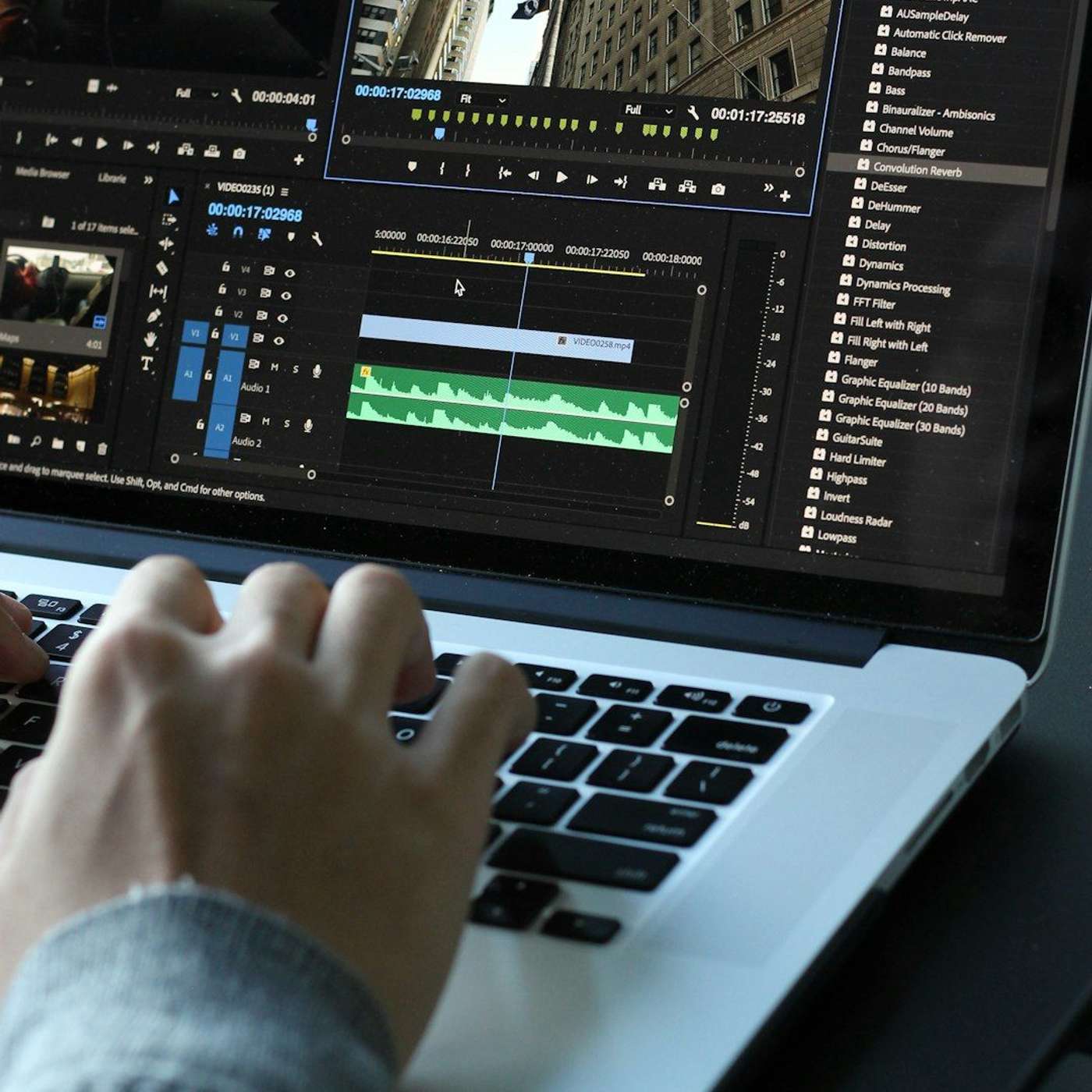
A significant challenge in automated content creation is aesthetic consistency. AI tools like Notebook LM's cinematic video generator can select a specific visual style—like an oil painting look—and apply it across an entire video, creating a cohesive brand identity rather than a random assortment of images.
Avoid the "slot machine" approach of direct text-to-video. Instead, use image generation tools that offer multiple variations for each prompt. This allows you to conversationally refine scenes, select the best camera angles, and build out a shot sequence before moving to the animation phase.

Streamline video pre-production by nesting tasks. When prompting an AI agent to research a topic, also instruct it to generate potential B-roll footage ideas or visuals as it discovers information. This combines the research and shot-listing phases into a single, efficient workflow.
To maintain visual consistency in AI-generated videos, don't rely on text-to-video prompts alone. First, create a library of static 'ingredient' images for characters, settings, and props. Then, feed these reference images into the AI for each scene to ensure a coherent look and feel across all clips.