Get your free personalized podcast brief
We scan new podcasts and send you the top 5 insights daily.
By making constant, outlandish statements, figures like Donald Trump and Elon Musk generate initial headlines that media must report, even if unverified. The subsequent fact-checking comes much later, after public perception has already been shaped by the initial, unchecked wave of news.

Related Insights
Historically, media gatekeepers like a few TV stations limited the reach of charismatic but unsubstantiated figures. The rise of social media removes this friction, allowing gurus to build massive audiences directly. This, combined with distrust in institutions, has created a "golden age" for their proliferation.

Powerful figures like Trump and Musk strategically deploy headline-grabbing announcements as 'weapons of mass distraction.' This is not random behavior but a calculated tactic to divert public and media attention away from core weaknesses, whether it's a political scandal (Epstein) or a flawed business model (Tesla as just a car company).

Society is splitting into two groups: "post-headline" people who rely on official media for validation, and "pre-headline" people (like Elon Musk) who synthesize raw, real-time data to act before the consensus forms. This information asymmetry is becoming a primary driver of wealth and power.

The arrest of Nima Momeni, a tech professional known to Bob Lee, completely contradicted the dominant narrative of a random street crime. However, the initial, incorrect story shaped global perceptions of San Francisco, highlighting that facts struggle to undo the damage of viral misinformation.

The persistence of election fraud claims isn't accidental; it follows a classic disinformation strategy. By relentlessly repeating a lie, it transitions from outrageous to normalized and eventually becomes self-evident truth for a large segment of the population, undermining democratic foundations.

The traditional social contract, where trusted institutions delivered verified information, has collapsed. Today's peer-to-peer information systems, like X (formerly Twitter), prioritize engagement over truth, creating an environment where populist and conspiratorial ideas thrive because they don't require procedural certainty to spread.

As a social experiment, a bogus polling firm published fabricated data that was subsequently cited by major news outlets. This demonstrated the vulnerability of the information ecosystem and how quickly unverified claims can spread and be treated as fact without independent verification.

Online platforms reward outrage over reason. Sensible content gets little traction, while inflammatory and false statements generate massive engagement. This dynamic creates a powerful incentive for influencers and politicians to become increasingly extreme to maintain relevance.
Trump's political invulnerability stems not from genius, but from an electorate that no longer cares about truth or consistency. Unlike a traditional con man who must be believable, Trump thrives because his base signals loyalty by accepting blatant contradictions.

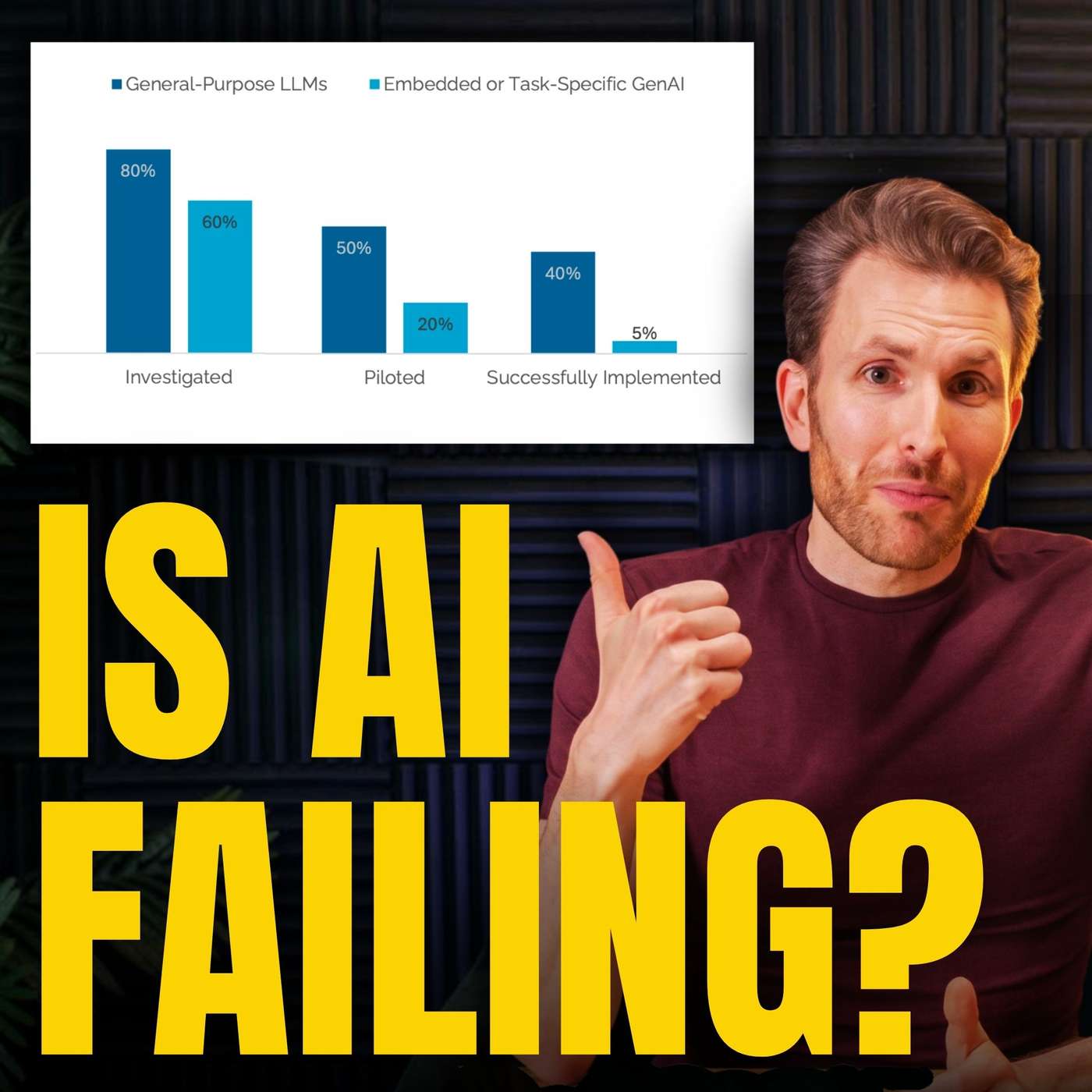
A flawed study went viral because it carried the "MIT" brand, prompting media to report on it without scrutiny. The actual report was gated behind a request form, preventing journalists from fact-checking its questionable claims. This combination allowed a misleading narrative to shape market sentiment and public opinion before it could be debunked.