Get your free personalized podcast brief
We scan new podcasts and send you the top 5 insights daily.
Historically, media gatekeepers like a few TV stations limited the reach of charismatic but unsubstantiated figures. The rise of social media removes this friction, allowing gurus to build massive audiences directly. This, combined with distrust in institutions, has created a "golden age" for their proliferation.

Related Insights
While misinformation is a clear danger, a primary harm from gurus is commandeering followers' time and attention. By producing voluminous content within a self-contained ecosystem, they create an opportunity cost where people spend years learning a pseudo-version of a field instead of engaging with reliable sources.
As AI-generated content and virtual influencers saturate social media, consumer trust will erode, leading to 'Peak Social.' This wave of distrust will drive people away from anonymous influencers and back towards known entities and credible experts with genuine authority in their fields.

Society is splitting into two groups: "post-headline" people who rely on official media for validation, and "pre-headline" people (like Elon Musk) who synthesize raw, real-time data to act before the consensus forms. This information asymmetry is becoming a primary driver of wealth and power.

The erosion of trusted, centralized news sources by social media creates an information vacuum. This forces people into a state of 'conspiracy brain,' where they either distrust all information or create flawed connections between unverified data points.

A key tactic of charismatic leaders is to position themselves as revealing a secret truth that established institutions have concealed. This 'pulling back the veil' can be used for positive social change, like Martin Luther King Jr., or to spread disinformation and undermine credible sources.

The future of the creator economy favors deep trust over broad reach. As institutional trust fails, audiences will gravitate towards creators who are authentic leaders in a specific vertical. Success will be measured by community loyalty ('true believers'), not just follower count.

The rise of peer-to-peer communication and transparency is dissolving the credibility of centralized institutions (governments, media). These institutions can no longer maintain a facade of perfection as their flaws are constantly exposed, leading to a crisis of authority in society.
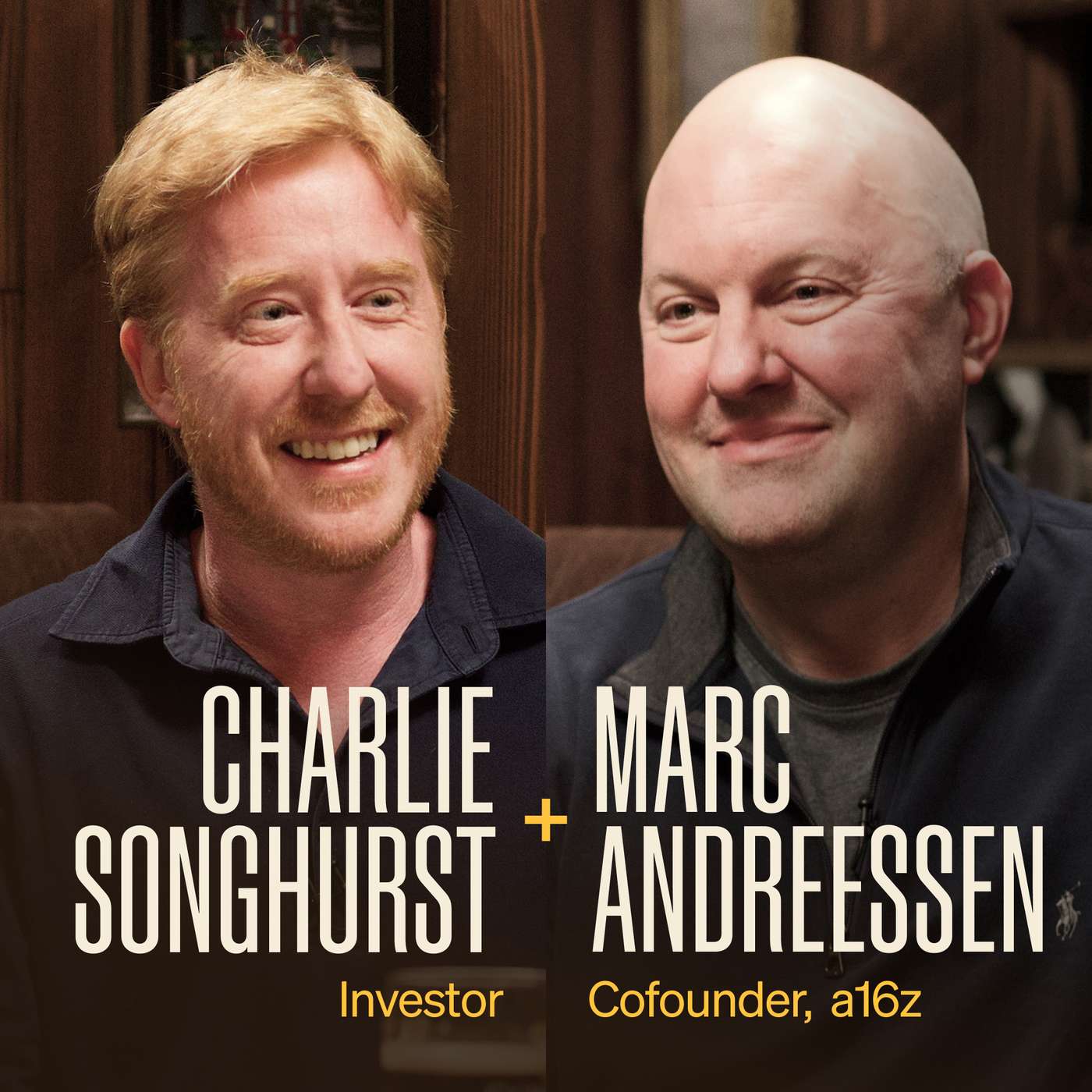
Secular gurus appeal to audiences by making them feel like critical, heterodox thinkers who see through institutional lies. This intellectual flattery, combined with a victim narrative of being suppressed by the “mainstream,” creates a powerful and seductive package for followers.
The era of limited information sources allowed for a controlled, shared narrative. The current media landscape, with its volume and velocity of information, fractures consensus and erodes trust, making it nearly impossible for society to move forward in lockstep.
Social influence has become even more concentrated in the hands of a few. While the 'super spreader' phenomenon has always existed for ideas and diseases, modern technology dramatically enhances their power by increasing their reach and, crucially, making them easier for others to identify and target.
