Get your free personalized podcast brief
We scan new podcasts and send you the top 5 insights daily.
As a social experiment, a bogus polling firm published fabricated data that was subsequently cited by major news outlets. This demonstrated the vulnerability of the information ecosystem and how quickly unverified claims can spread and be treated as fact without independent verification.

Related Insights
CNN's partnership with Kalshi introduces a significant ethical risk. While prediction markets can offer data-driven insights, their integration into mainstream news creates a feedback loop where actors can manipulate markets with relatively small sums of money to generate favorable headlines and influence political outcomes.

The modern information landscape is so saturated with noise, deepfakes, and propaganda that discerning the truth requires an enormous investment of time and energy. This high "cost" leads not to believing falsehoods, but to a general disbelief in everything and an inability to form trusted opinions.

The persistence of election fraud claims isn't accidental; it follows a classic disinformation strategy. By relentlessly repeating a lie, it transitions from outrageous to normalized and eventually becomes self-evident truth for a large segment of the population, undermining democratic foundations.

Humans evolved in a world where sensory information was generally reliable for survival. This has left us with an inherent trust that is easily exploited in the modern world of manufactured information. Our ability to acquire data now far exceeds our ability to validate it.

Conspiracy theories gain mainstream traction because social media platforms have a profit incentive to algorithmically elevate novel, engaging content. This amplification normalizes fringe ideas, making them seem self-evident and eroding institutional trust.
The traditional social contract, where trusted institutions delivered verified information, has collapsed. Today's peer-to-peer information systems, like X (formerly Twitter), prioritize engagement over truth, creating an environment where populist and conspiratorial ideas thrive because they don't require procedural certainty to spread.

The overwhelming volume of fake online content creates a 'liar's dividend' where casting doubt on real events is easy. This has expanded beyond politics to become a core cultural mechanism, allowing people to reject any reality that conflicts with their worldview by simply labeling it as fake.

The problem with AI has evolved beyond 'garbage in, garbage out.' Today's systems can rapidly ingest misinformation from public sources and present it as fact, creating a feedback loop. This means bad information is not only used for poor decisions but is actively amplified and distributed faster than ever before.

The system of cheap labor, AI drafting, and fake accounts is topic-agnostic. It was built for commercial purposes but can be easily repurposed for malicious intent. The machine doesn't care if it's amplifying a product launch or state-sponsored disinformation; it just works.

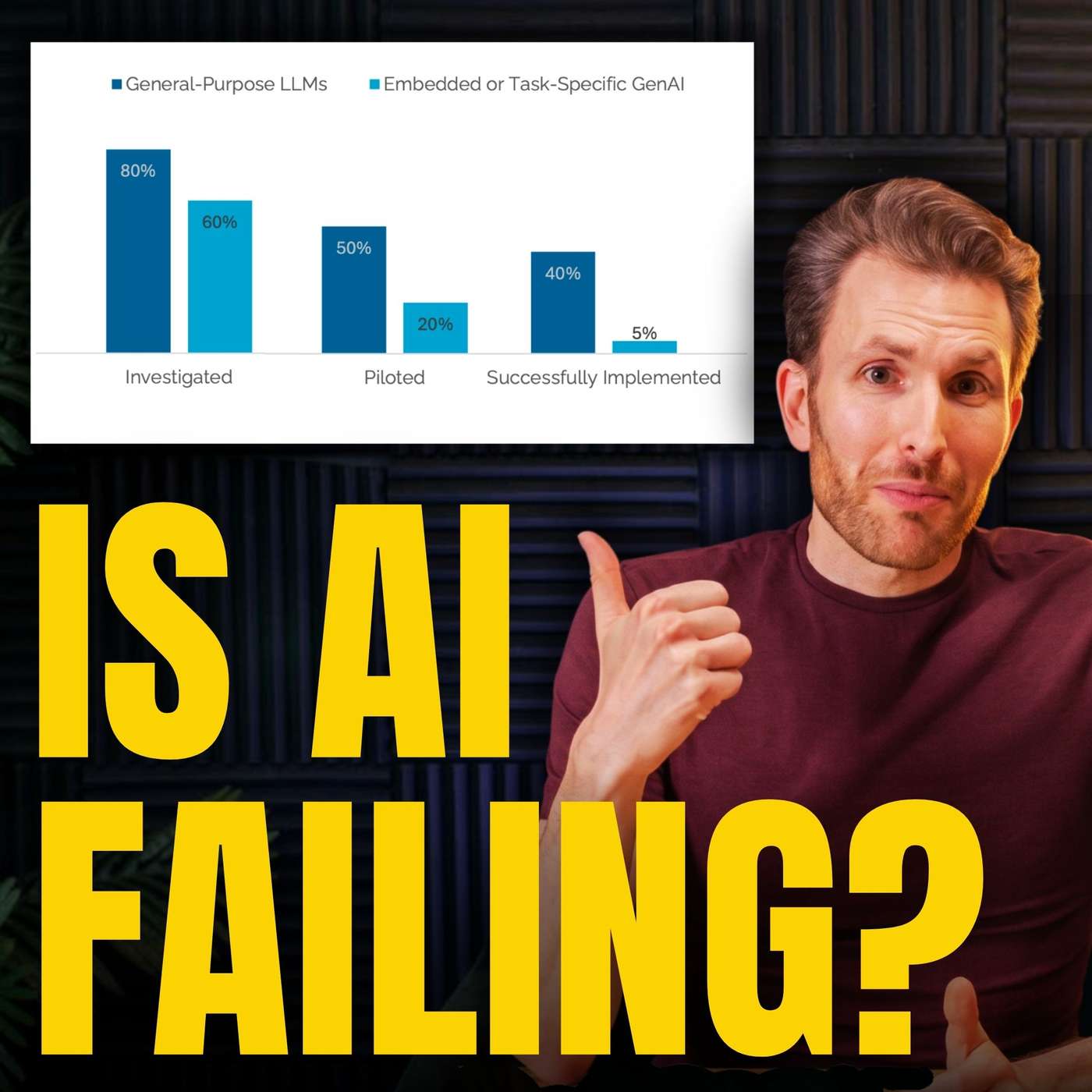
A flawed study went viral because it carried the "MIT" brand, prompting media to report on it without scrutiny. The actual report was gated behind a request form, preventing journalists from fact-checking its questionable claims. This combination allowed a misleading narrative to shape market sentiment and public opinion before it could be debunked.