Get your free personalized podcast brief
We scan new podcasts and send you the top 5 insights daily.
The traditional social contract, where trusted institutions delivered verified information, has collapsed. Today's peer-to-peer information systems, like X (formerly Twitter), prioritize engagement over truth, creating an environment where populist and conspiratorial ideas thrive because they don't require procedural certainty to spread.

Related Insights
Historically, media gatekeepers like a few TV stations limited the reach of charismatic but unsubstantiated figures. The rise of social media removes this friction, allowing gurus to build massive audiences directly. This, combined with distrust in institutions, has created a "golden age" for their proliferation.

The erosion of trusted, centralized news sources by social media creates an information vacuum. This forces people into a state of 'conspiracy brain,' where they either distrust all information or create flawed connections between unverified data points.

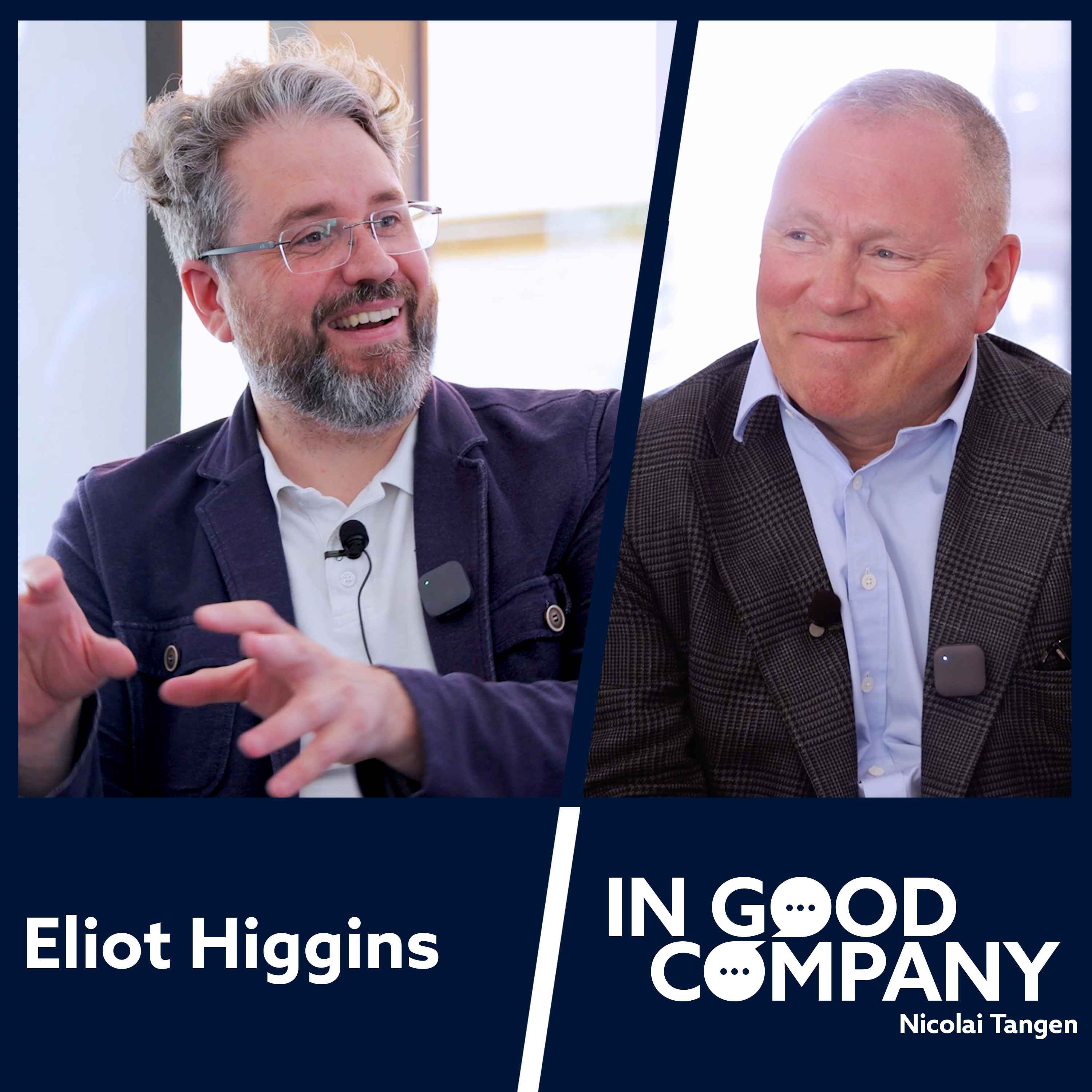
The old social contract, where trusted institutions delivered verified facts, is broken. Higgins argues we now live in a many-to-many system where institutions must compete for attention against the public on platforms that algorithmically reward engagement over truth.
The modern media ecosystem is defined by the decomposition of truth. From AI-generated fake images to conspiracy theories blending real and fake documents on X, people are becoming accustomed to an environment where discerning absolute reality is difficult and are willing to live with that ambiguity.

Conspiracy theories gain mainstream traction because social media platforms have a profit incentive to algorithmically elevate novel, engaging content. This amplification normalizes fringe ideas, making them seem self-evident and eroding institutional trust.

Extremist figures are not organic phenomena but are actively amplified by social media algorithms that prioritize incendiary content for engagement. This process elevates noxious ideas far beyond their natural reach, effectively manufacturing influence for profit and normalizing extremism.
Platforms like X (Twitter) have created a "uni-feed" where the world's most influential people in finance, politics, and tech consume the same content daily. This unified attention stream has become the primary source of truth, dictating where capital flows and which policies get written.
![Jeremy Giffon - The Billion Dollar PDF - [Invest Like the Best, EP.481] thumbnail](https://megaphone.imgix.net/podcasts/639efb30-79ab-11f1-9457-e7c50e832f59/image/3fd42f5fd8ef85cc50b51718c44c4172.jpg?ixlib=rails-4.3.1&max-w=3000&max-h=3000&fit=crop&auto=format,compress)
The rise of peer-to-peer communication and transparency is dissolving the credibility of centralized institutions (governments, media). These institutions can no longer maintain a facade of perfection as their flaws are constantly exposed, leading to a crisis of authority in society.

The system of cheap labor, AI drafting, and fake accounts is topic-agnostic. It was built for commercial purposes but can be easily repurposed for malicious intent. The machine doesn't care if it's amplifying a product launch or state-sponsored disinformation; it just works.

The era of limited information sources allowed for a controlled, shared narrative. The current media landscape, with its volume and velocity of information, fractures consensus and erodes trust, making it nearly impossible for society to move forward in lockstep.