Get your free personalized podcast brief
We scan new podcasts and send you the top 5 insights daily.
The government struggles to value software, often reducing it to metrics like "lines of code" and fighting cost-plus pricing. Hardware, with a tangible bill of materials, is much easier for procurement officials to understand, value, and purchase, giving hardware-focused startups a sales advantage.

Related Insights
Faced with closed doors in Washington, Palantir adopted a bottom-up strategy. They provided their software directly to operators in the field, who were free from the government's monopsony power. By creating "facts on the ground" that demonstrated value, they forced adoption from the central command.
As AI commoditizes software, hardware is re-emerging as a key defensibility layer for startups. A decade ago, VCs avoided hardware, but now a physical device tied to a software subscription creates powerful stickiness and justifies high valuations, representing a major shift in investment strategy.

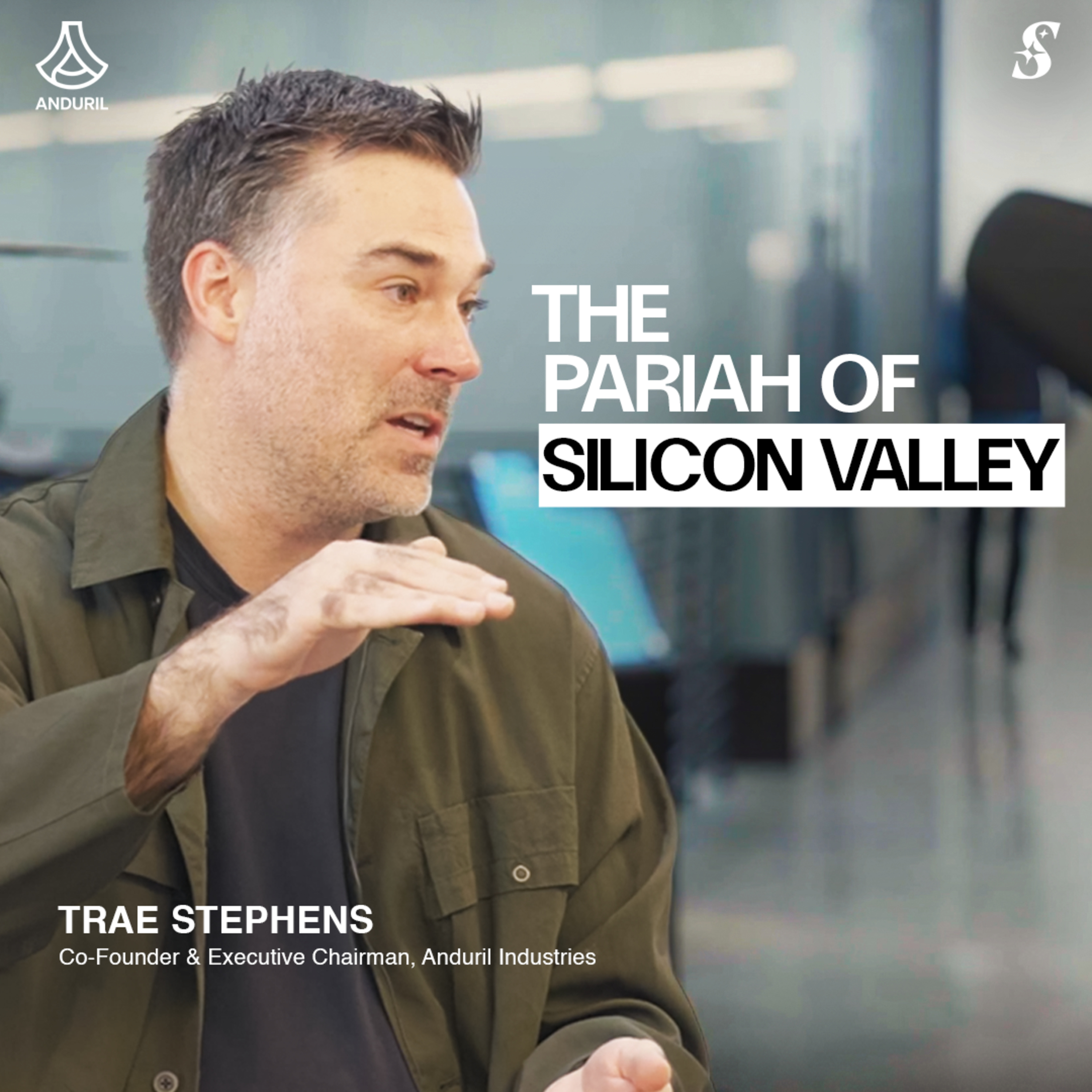
Despite building large physical systems like drones, Anduril's co-founder states their core competency and original vision is software. They are a "software-defined and hardware-enabled" company, which fundamentally differentiates their approach from traditional defense contractors who are the opposite.
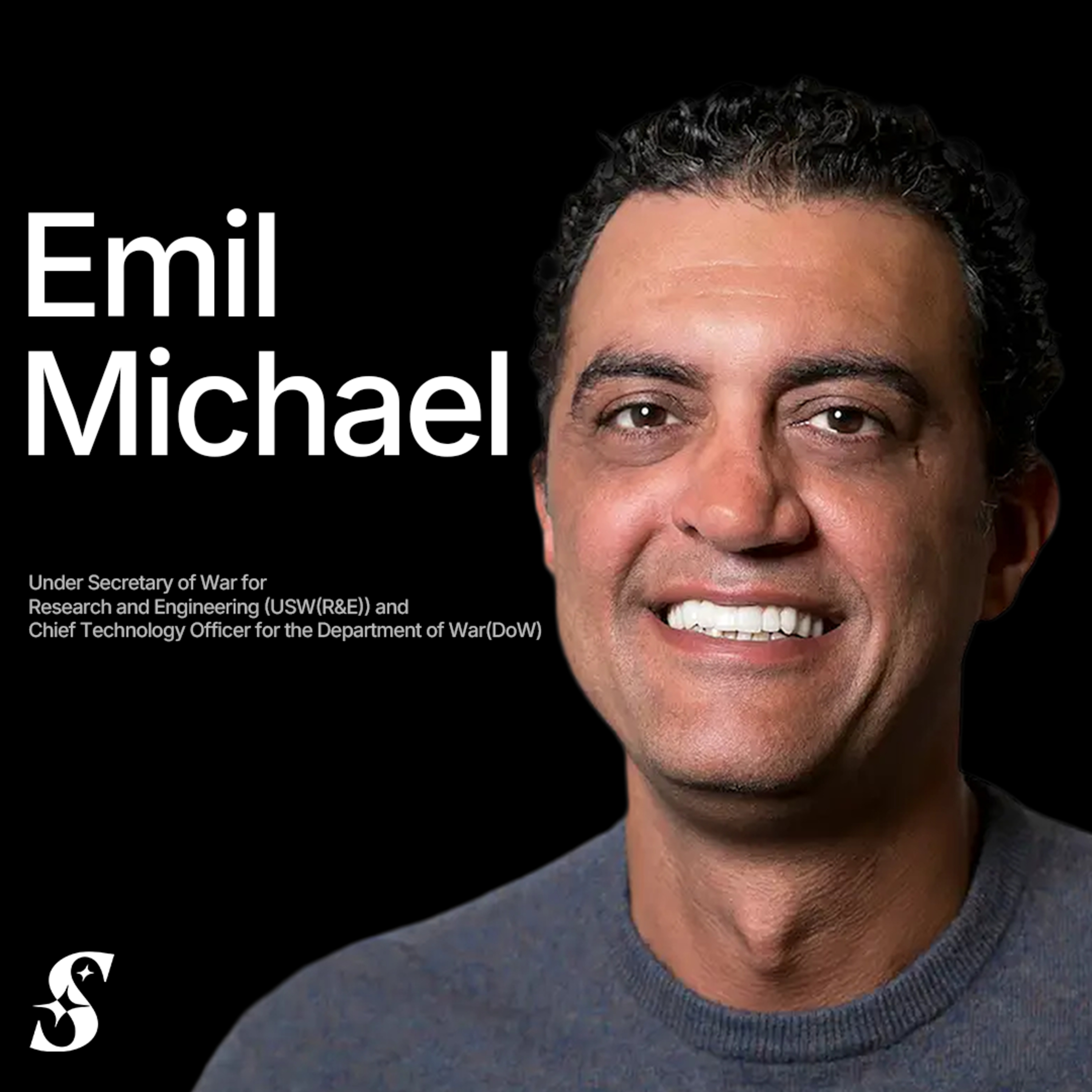
Contrary to its controversial public image, the Under Secretary of War asserts that Palantir's primary value to the government is solving mundane, critical logistics problems. The software helps track assets like tanks and munitions—a basic inventory management function essential for a massive bureaucracy.
To navigate rigid government procurement rules, Anduril adapts its business model to the customer's available budget type, or 'color of money'. If a customer can only spend on services, Anduril will structure a deal as a service-level agreement (SLA) with KPIs, rather than selling hardware or software directly.

Many defense startups fail despite superior technology because the government isn't ready to purchase at scale. Anduril's success hinges on identifying when the customer is ready to adopt new capabilities within a 3-5 year window, making market timing its most critical decision factor.

Government procurement processes are rooted in a pre-digital, paper-based mental model. They treat software like a physical commodity that must be procured anew for each jurisdiction, preventing them from leveraging software's inherent scalability and leading to massive, redundant development costs.

While AI and modern tools are making software development significantly cheaper, government contracting models have not adapted. Agencies remain locked into expensive, outdated procurement processes, paying more for software even as its actual cost plummets.

The venture capital mantra that "hardware is hard" is outdated for the American Dynamism category. Startups in this space mitigate risk by integrating off-the-shelf commodity hardware with sophisticated software. This avoids the high capital costs and unpredictable sales cycles of consumer electronics.

Anduril gained a significant advantage by leveraging its co-founders' experiences from Palantir. Instead of repeating the same decade-long learning curve of selling to the government, they started with a fully formed strategy, avoiding common pitfalls and accelerating their growth from day one.