Get your free personalized podcast brief
We scan new podcasts and send you the top 5 insights daily.
To navigate rigid government procurement rules, Anduril adapts its business model to the customer's available budget type, or 'color of money'. If a customer can only spend on services, Anduril will structure a deal as a service-level agreement (SLA) with KPIs, rather than selling hardware or software directly.

Related Insights
To accelerate adoption, sell to industrial clients the way they already buy. Instead of a large upfront CapEx sale, Calcetra offers a 'Heat as a Service' model. This allows customers to pay per unit of heat ($/MMBtu), mirroring how they purchase natural gas and removing the financial friction of adopting new infrastructure.

Navy CTO Justin Fanelli advises founders to stop asking to be paid for their time and instead price their solutions based on the outcomes and value they deliver. This aligns incentives with the government buyer, rewards impact over effort, and demonstrates a modern, software-defined mindset.

Unlike traditional contractors paid for hours, Anduril invests its own capital to build products it believes the government needs. This model incentivizes speed and effectiveness, as profit is tied to successful products, not billable hours. This shifts the financial risk from the taxpayer to the company.
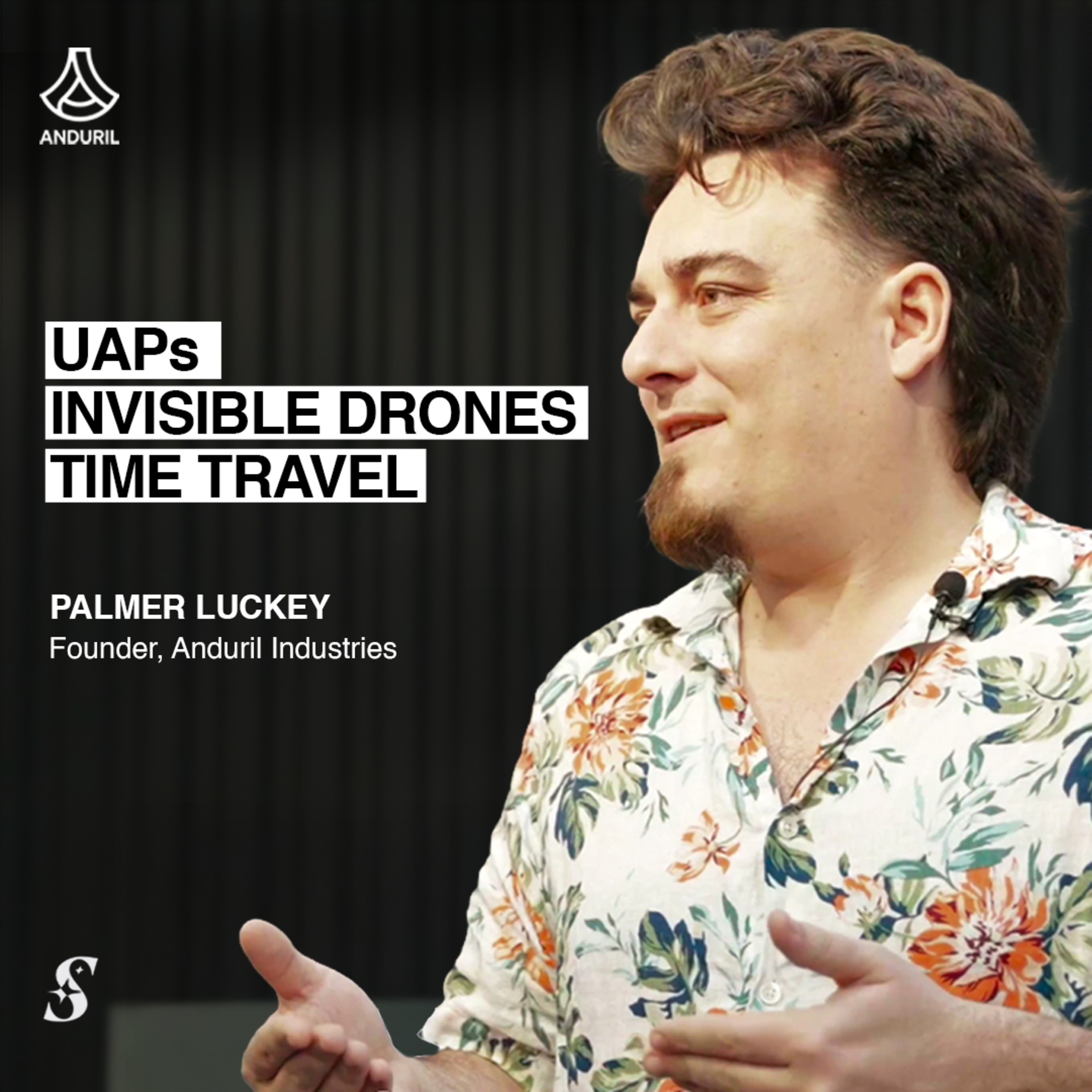
Despite building large physical systems like drones, Anduril's co-founder states their core competency and original vision is software. They are a "software-defined and hardware-enabled" company, which fundamentally differentiates their approach from traditional defense contractors who are the opposite.
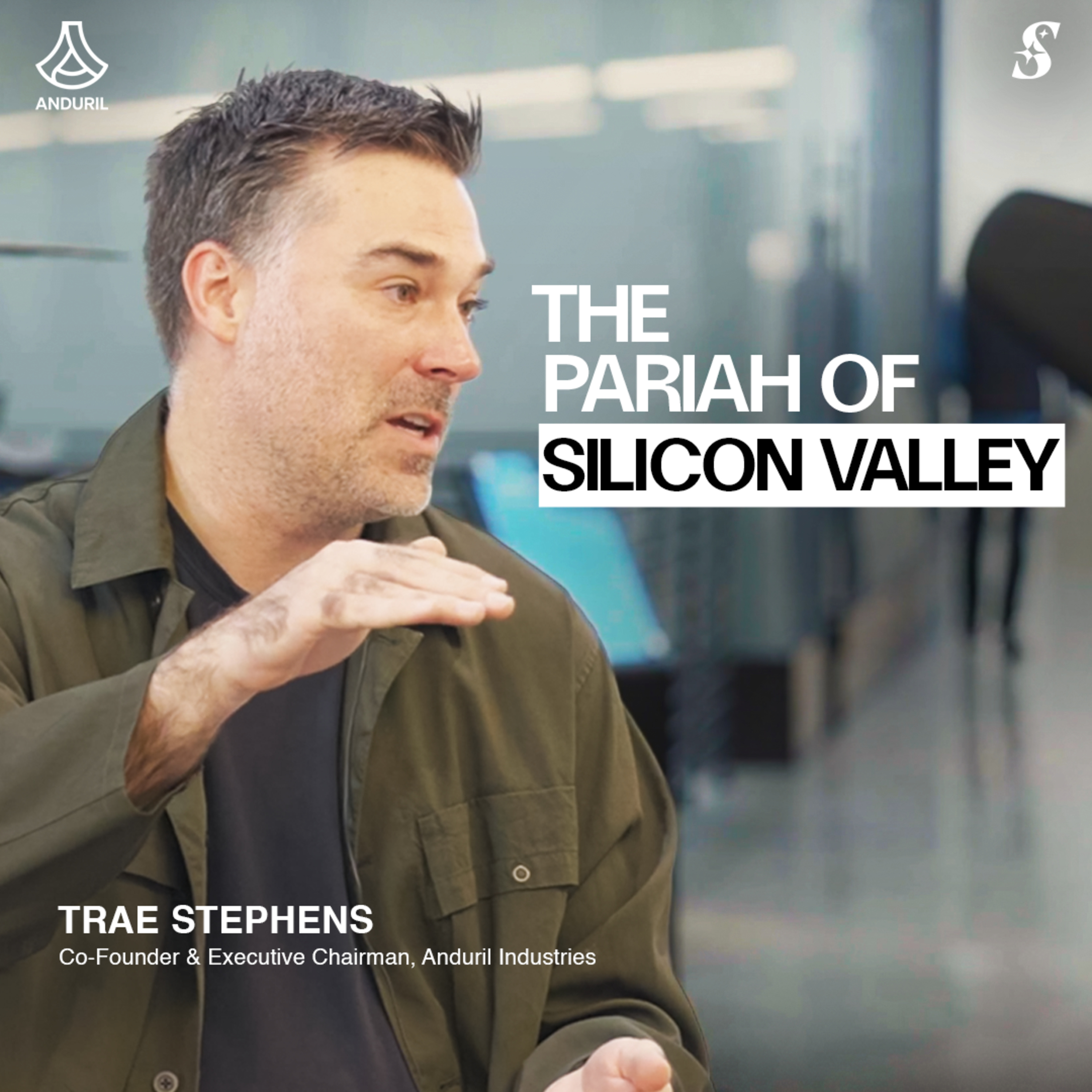
Unlike traditional contractors paid for time and materials, Anduril invests its own capital to develop products first. This 'defense product company' model aligns incentives with the government's need for speed and effectiveness, as profits are tied to rapid, successful delivery, not prolonged development cycles.

Many defense startups fail despite superior technology because the government isn't ready to purchase at scale. Anduril's success hinges on identifying when the customer is ready to adopt new capabilities within a 3-5 year window, making market timing its most critical decision factor.
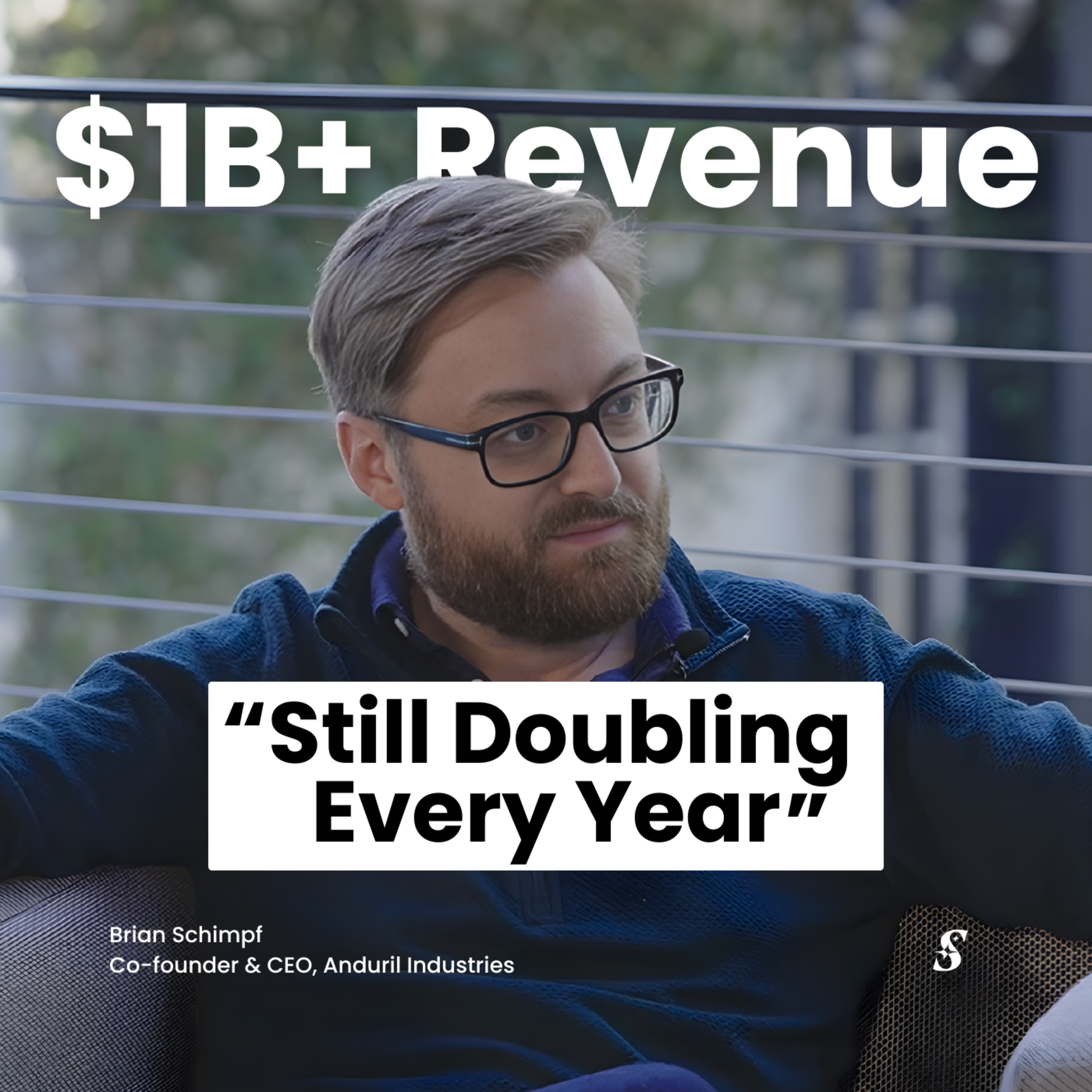
Anduril advocates for performance-based contracts, a controversial model in government where payment is contingent on the product working. This forces internal accountability and aligns their interests with the customer's, contrasting with traditional cost-plus models that place all risk on the government.
Enterprises are comfortable buying services. Sell a service engagement first, powered by your technology on the back end, to get your foot in the door. This builds trust and bypasses procurement hurdles associated with new software. Later, you can transition them to a SaaS product model.

Defense prime Anduril pitches its adoption of Dirac's AI-powered manufacturing software directly to government customers. This demonstrates a technologically advanced and efficient production process, building confidence and acting as a sales accelerant. It shows customers not just what Anduril builds, but *how* it builds, which has become a key differentiator.

Move beyond selling features by offering a "Business Process as a Service" (BPaaS) solution. This involves contracting directly on the business outcomes clients care about, such as cost savings or revenue optimization. This model delivers an end-to-end capability and aligns your success directly with your customer's, creating a powerful value proposition.
