Get your free personalized podcast brief
We scan new podcasts and send you the top 5 insights daily.
Warhound is described as genetically engineering dogs for military and law enforcement, with Palmer Luckey imagining armored 600-pound dire wolves that keep domesticated obedience. Critics on X note police and military breeder revenue is only $50 million a year, while supporters bet on far larger super-animal markets.

Related Insights
Sequencing fossil dire wolves revealed coat-lightening variants that, if engineered directly into a modern gray wolf genome, risked inducing oculocutaneous albinism, deafness, and blindness. Rather than prioritizing complete genetic fidelity to the fossil template, Colossal Biosciences substituted safe coat-lightening edits already present in domestic dogs. De-extinction biology emphasizes functional phenotypes and animal welfare over copying every literal nucleotide from ancient remains.

Anti-extinction startup Colossal is leveraging high-profile clients like Tom Brady for pet cloning. This creates buzz and revenue, effectively funding long-term R&D with a luxury consumer service while its more ambitious projects (reviving mammoths) are still in development.

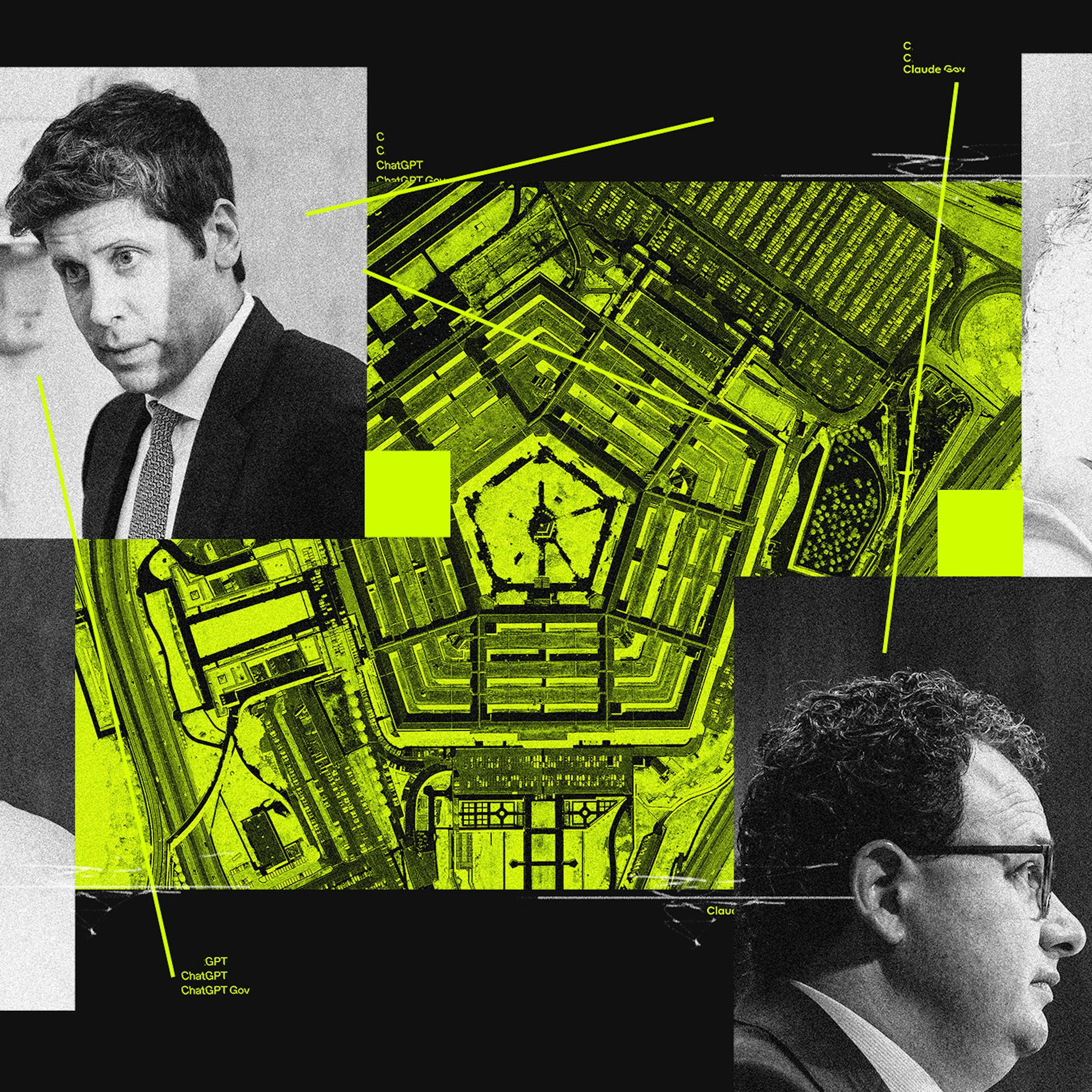
Leading AI companies, facing high operational costs and a lack of profitability, are turning to lucrative government and military contracts. This provides a stable revenue stream and de-risks their portfolios with government subsidies, despite previous ethical stances against military use.
Colossal's core mission of de-extinction is a Trojan horse for developing foundational "civilization tech." This platform addresses massive, unrelated markets like invasive species control ($500B problem), human healthcare (IVF, genetic disease), and even lab-grown materials for fashion, revealing a much broader business model than just reviving mammoths.

Colossal CEO Ben Lamb argues that the scientific community's debate over whether his creation is a "true" dire wolf is a semantic distraction. He contends this argument overshadows the unprecedented scientific milestone of creating live animals from 12,000-year-old DNA.

Jocko Willink clarifies that elite military working dogs should not be considered pets. They are bred and trained specifically for aggression and combat, making them inherently dangerous in a civilian environment. Their function is that of a weapon, not a companion.

Current home security systems are passive. The next major opportunity lies in active deterrence, moving beyond cameras to physical, patrolling robots. The market wants a "better big dog"—a device that can actively patrol property and deter threats, a more practical application of robotics than consumer humanoids.

Colossal clarifies its process is not true cloning but "functional de-extinction." It involves editing the genome of a close living relative (like a gray wolf) to reintroduce the specific genes and traits of an extinct species, using the living animal as a 99%+ genetic base.
The underlying AI architecture for creating novel biological sequences is also highly effective at identifying dangerous ones. This dual-use nature means the team building design capabilities is best suited to build defense tools, as the models are fundamentally the same.
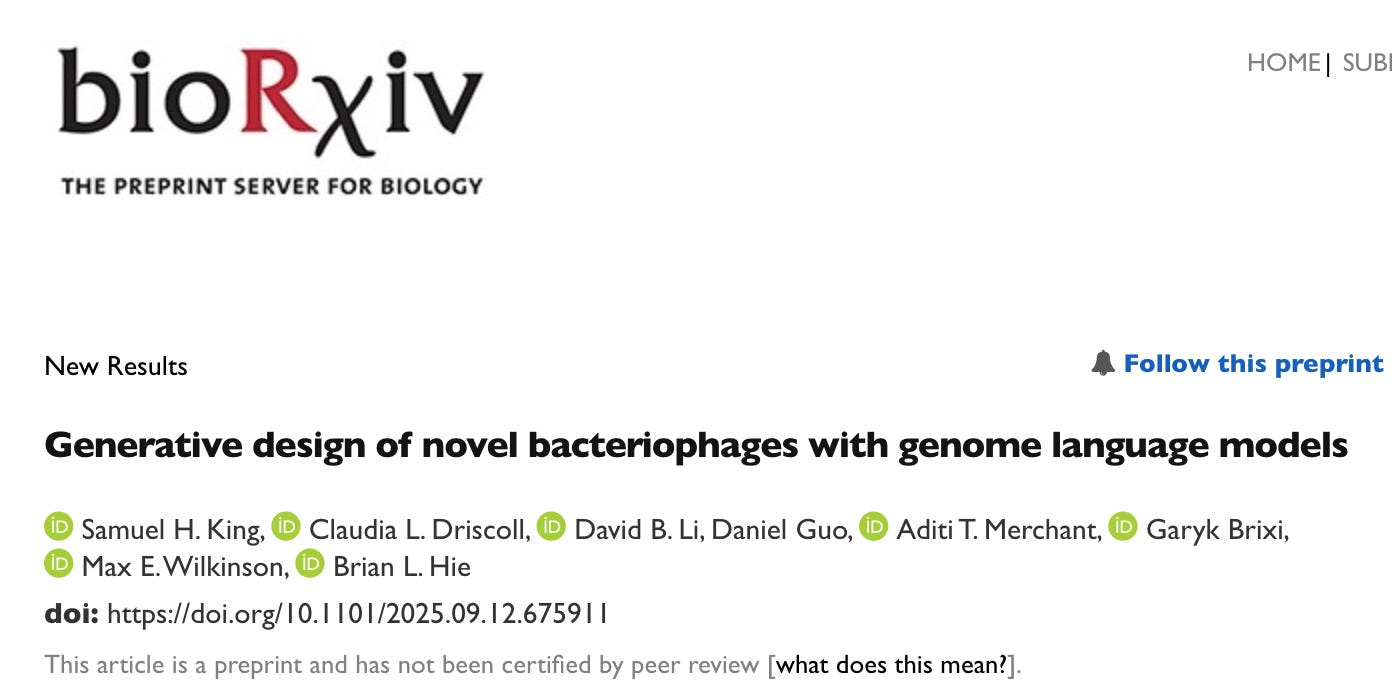
AI models capable of designing biological sequences are advancing rapidly. The same models can be used for defense (e.g., detecting pathogens), but this defensive side is significantly behind, creating a dangerous imbalance that needs to be addressed.