Get your free personalized podcast brief
We scan new podcasts and send you the top 5 insights daily.
Madrigal defied the typical 12-18 month pre-launch hiring window by bringing in a new CEO just seven months before approval. He leveraged his network to quickly assemble an experienced commercial team he had worked with before, enabling the company to build a sales force and launch in record time.

Related Insights
New CEO Mark McLaughlin resisted board pressure for a quick IPO, arguing that going public is a starting line, not a finish line. He first focused on hiring key leaders and building scalable systems to ensure the company could operate successfully in the public markets, not just survive the IPO event.

A scaling founder can avoid "breaking the model" during hypergrowth by hiring senior leaders with proven track records in similar environments. For example, Profound hired a CRO who previously scaled a company with the same target customer to $250M, bringing invaluable experience to manage chaos.
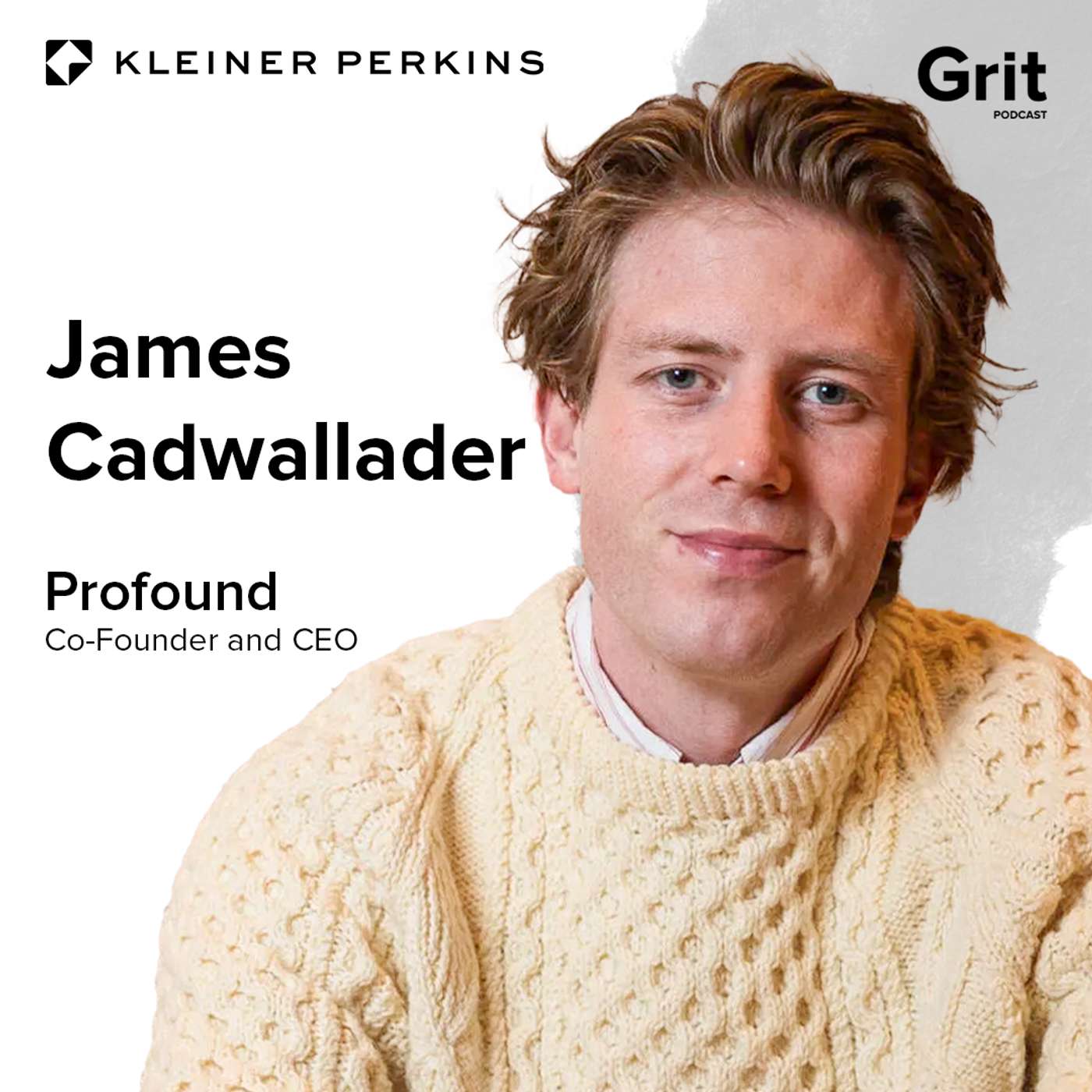
Early-stage founders often mistakenly hire senior talent from large corporations. These executives are accustomed to resources that don't exist in a startup. Instead, hire people who have successfully navigated the stage you are about to enter—those who are just "a few clicks ahead."

Delaying key hires to find the "perfect" candidate is a mistake. The best outcomes come from building a strong team around the founder early on, even if it requires calibration later. Waiting for ideal additions doesn't create better companies; early execution talent does.

A biotech transitioning from a small, 'fit-for-purpose' R&D team to a large commercial organization gets a rare chance to create a new culture. Madrigal treated its rapid growth from ~100 to over 500 people as an opportunity to establish fresh core values for the newly-formed enterprise.
While startups must be nimble, analytical processes from large corporations are invaluable. The key is applying the same rigorous thinking to decision-making but compressing the timeline. Having prior experience with similar situations allows leaders to make informed choices more quickly.
Actively recruiting entrepreneurs whose own ventures recently failed brings in smart, driven individuals with high ownership and a hunger to prove themselves. This is invaluable in the early, capital-constrained days when you need a team with a founder's DNA.

By acting as a forward-deployed engineer in the early days, the CTO gained deep customer and sales motion insights. This direct market experience was crucial for his successful transition into the CEO role.

Counter to the modern "founder-led" mantra, a 20-year-old Matt Mullenweg hired an experienced CEO to run Automattic. This "Google era" model prioritized veteran leadership to scale the company, allowing the young founder to focus on product before eventually taking back the reins.

Early-stage companies need experienced executives not just for their skills, but for their 'borrowed credibility.' A well-respected leader like former CEO Bob Muglia lent Snowflake instant legitimacy, which inspired belief in the team, reassured customers, and empowered the young founders.
