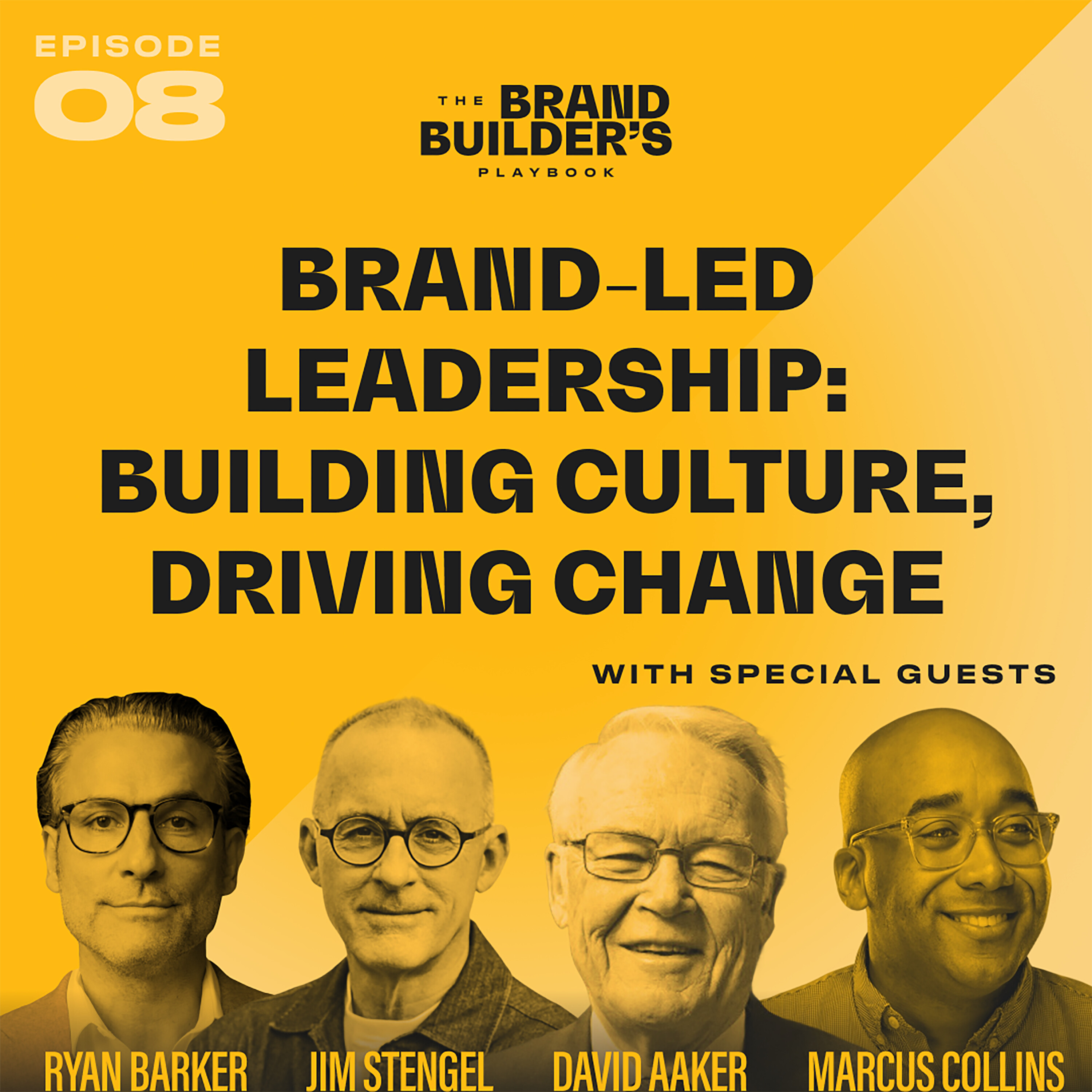
Get your free personalized podcast brief
We scan new podcasts and send you the top 5 insights daily.
A biotech transitioning from a small, 'fit-for-purpose' R&D team to a large commercial organization gets a rare chance to create a new culture. Madrigal treated its rapid growth from ~100 to over 500 people as an opportunity to establish fresh core values for the newly-formed enterprise.

Related Insights
The shift to a product-led culture wasn't a formal launch. The CEO began by stating "we are product-led" aspirationally, then relentlessly reinforced this message in every meeting and report. This constant repetition, backed by operational changes, gradually and organically transformed the company's identity and behavior.

As a company grows, new hires lack the context of early struggles. To preserve the original culture, formally document and share stories of early failures, pivots, and near-death experiences during onboarding. This reminds everyone of the core principles that led to success.
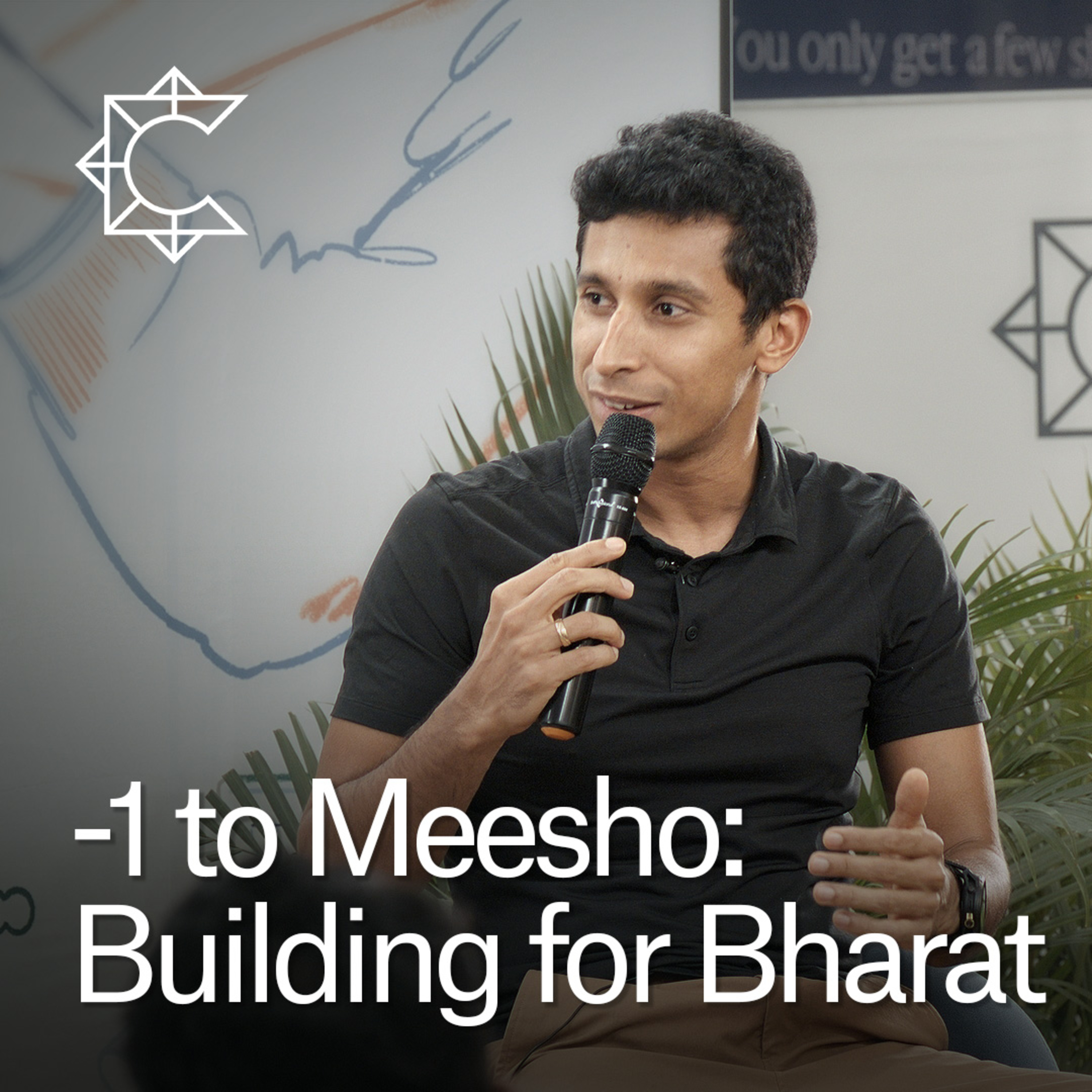
Base Power's culture of execution was set by its first ~10 hires—senior leaders from Tesla and SpaceX who initially worked as individual contributors. This "lead from the front" model, where leaders still do IC work, cascaded through the company as it scaled to 250 people.

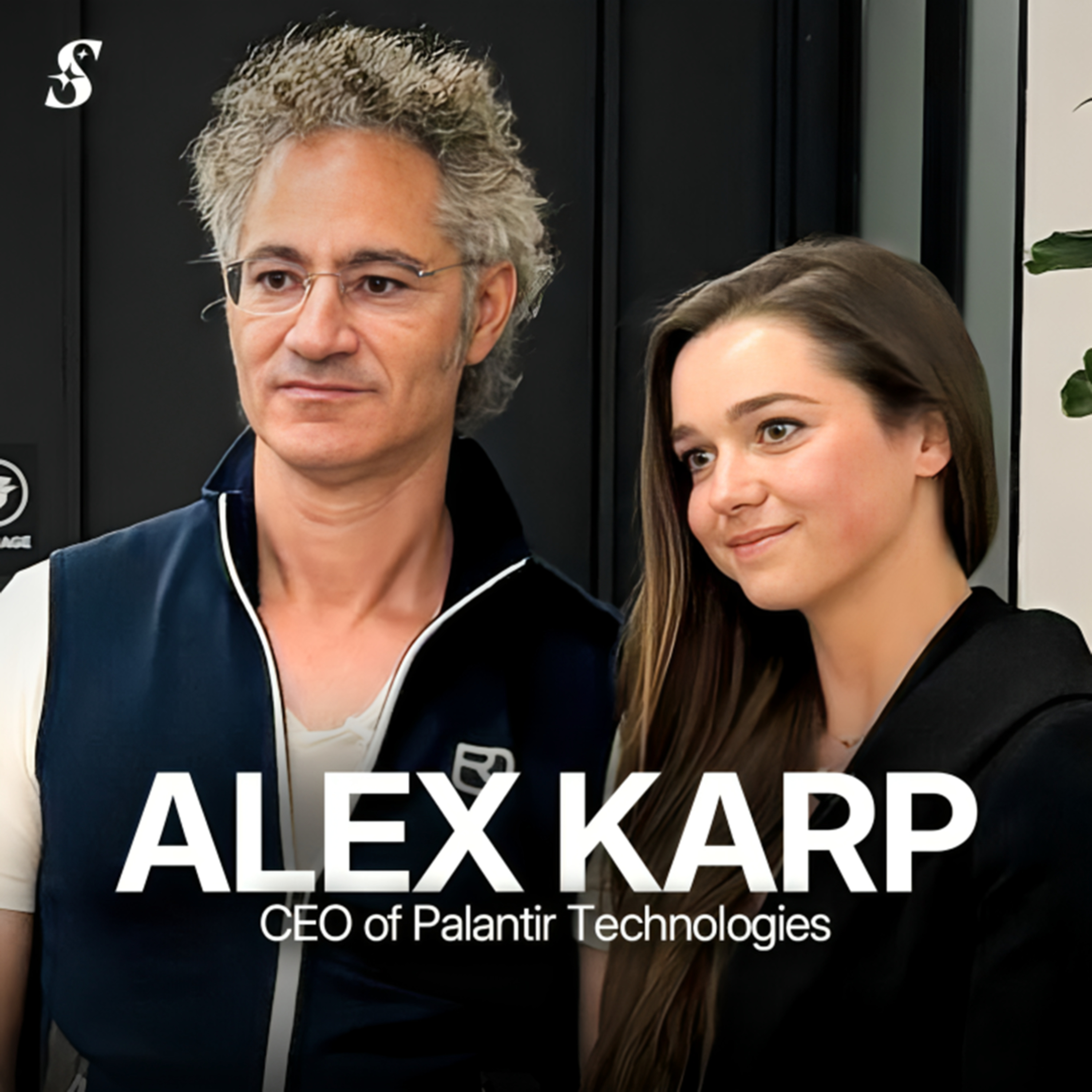
Palantir's success stems from its "anti-playbook" culture. It maintains a flat, meritocratic structure that feels like a startup despite its size. This environment fosters original thinking and rewards those who excel outside of rigid, conventional frameworks, turning traditionally undervalued traits into strengths.
To scale from 100 to 1,000+ employees, you must stop interviewing everyone. Success depends entirely on the cultural foundation built with the first 100 people. By personally hiring and imbuing them with the company's core values, you create a group of leaders who can replicate that culture as the organization expands.

The biggest scaling mistake is focusing on running up numbers while ignoring the underlying mindset. During its peak growth, Facebook put every new engineer through a six-week bootcamp not for immediate productivity, but to instill the company's culture. This investment in a shared mindset is what enables sustainable scaling, preventing the chaos that comes from rapid headcount growth.
As companies grow from 30 to 200 people, they naturally become slower. A CEO's critical role is to rebuild the company's operating model, deliberately balancing bottom-up culture with top-down strategic planning to regain speed and ensure everyone is aligned.

CEO Zach Brown revived McLaren not by firing everyone, but by transforming a "toxic work environment" into one of transparency and collaboration. He kept many of the same long-term employees, showing that fixing culture can unlock the potential of an existing team, even in a high-stakes environment.

Effective firms don't necessarily have a universally "good" culture, but they know exactly what their culture is and how people should collaborate within it. This clarity, exemplified by Bridgewater Associates, is a more significant predictor of success than the specific cultural style itself.

Satya Nadella's transformation of Microsoft's culture from insular and "know-it-all" to a "learn-it-all" culture grounded in empathy was not just a PR move. This change in brand DNA, measurable in consumer perception, directly correlated with a tenfold increase in its market capitalization, proving culture's financial impact.