Get your free personalized podcast brief
We scan new podcasts and send you the top 5 insights daily.
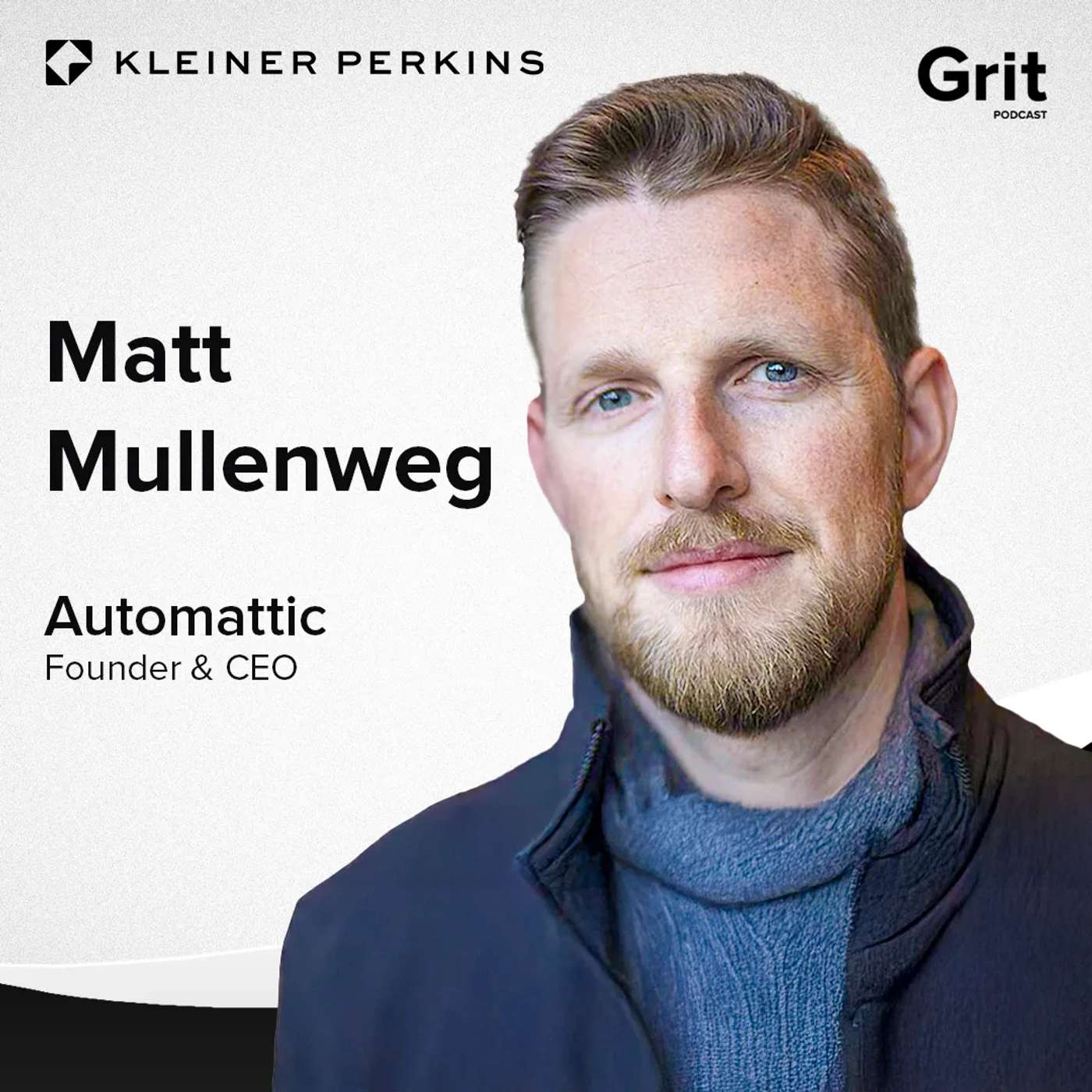
Counter to the modern "founder-led" mantra, a 20-year-old Matt Mullenweg hired an experienced CEO to run Automattic. This "Google era" model prioritized veteran leadership to scale the company, allowing the young founder to focus on product before eventually taking back the reins.
Related Insights
A16z's foundational belief is that founders, not hired "professional CEOs," should lead their companies long-term. The firm is structured as a network of specialists to provide founders with the knowledge and connections they lack, enabling them to grow into the CEO role and succeed.

Figma's founder, Dylan Field, admits he was a poor manager initially. His solution was to hire experienced leaders he could learn from directly, like his first director of engineering. This flips the traditional hiring dynamic; instead of hiring subordinates, insecure founders should hire mentors who can teach them essential skills and push the company forward.

The ideal founder archetype starts with deep technical expertise and product sense. They then develop exceptional business and commercial acumen over time, a rarer and more powerful combination than a non-technical founder learning the product.
![David George - Building a16z Growth, Investing Across the AI Stack, and Why Markets Misprice Growth - [Invest Like the Best, EP.450] thumbnail](https://megaphone.imgix.net/podcasts/8da7dbd8-ceeb-11f0-941c-ef83bcdd4c9f/image/d44107bc94719f78fbe91befb141073e.jpg?ixlib=rails-4.3.1&max-w=3000&max-h=3000&fit=crop&auto=format,compress)
Many entrepreneurs love their core business but lose motivation as their role expands to include responsibilities they dislike (e.g., finance, operations). The solution is to reinvest early profits into hiring employees to handle these tasks, freeing the founder to focus on their strengths and passions.

The primary goal of hiring should be to reclaim the founder's time from low-value tasks. This frees up the business's most valuable asset—the founder—to focus on high-leverage activities that truly drive growth, rather than simply adding capacity.

Successor CEOs cannot replicate the founder's all-encompassing "working memory" of the company and its products. Recognizing this is key. The role must shift from knowing everything to building a cohesive team and focusing on the few strategic decisions only the CEO can make.
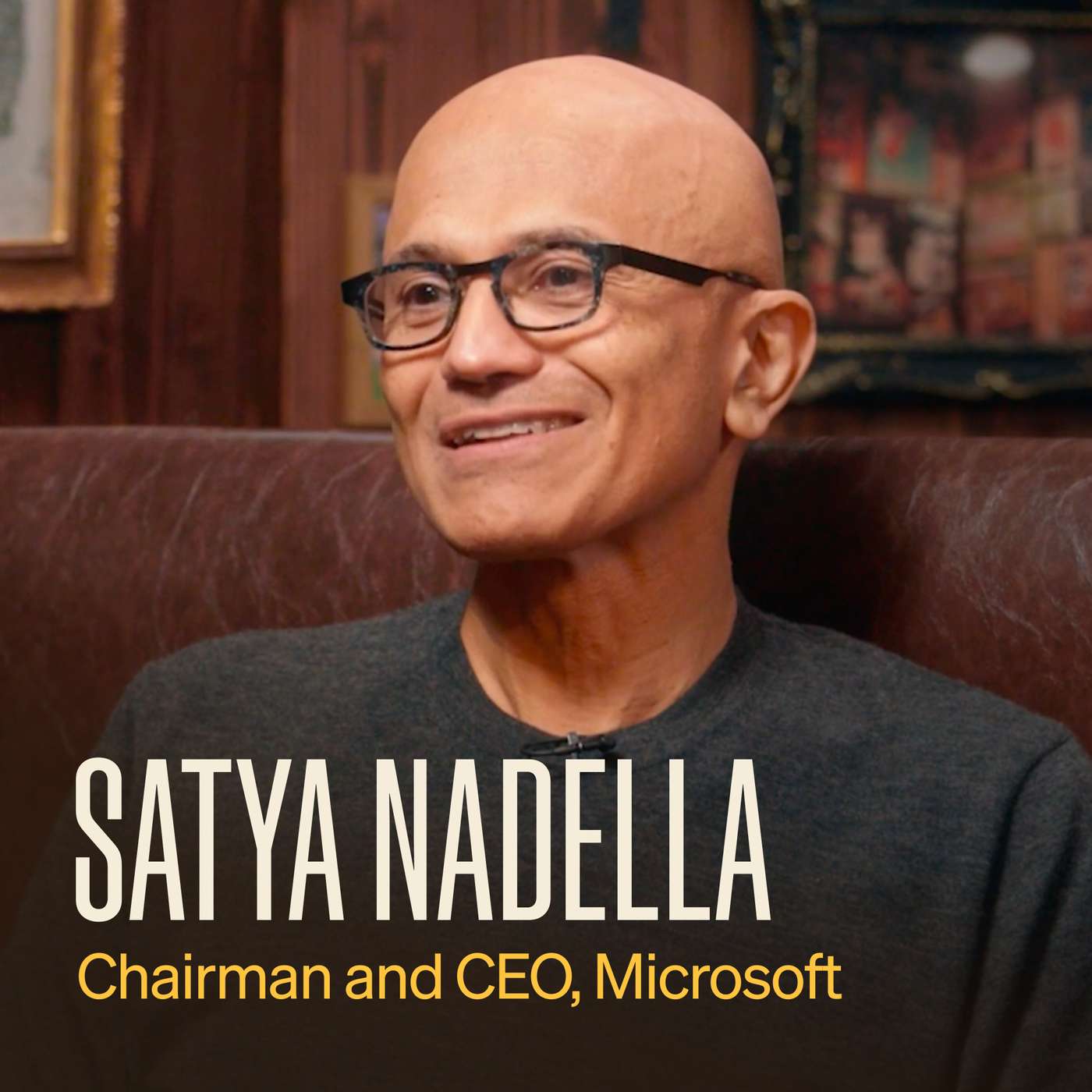
The founder hired an experienced CEO and then rotated through leadership roles in different departments (brand, product, tech). This created a self-designed, high-stakes apprenticeship, allowing him to learn every facet of the business from experts before confidently retaking the CEO role.

The young founder hired an experienced executive who became a mentor and effectively his boss. He learned more from observing this leader's actions—how he interacted with people and approached problems—than from direct instruction. This demonstrates the power of learning through osmosis from seasoned operators.