Get your free personalized podcast brief
We scan new podcasts and send you the top 5 insights daily.
While startups must be nimble, analytical processes from large corporations are invaluable. The key is applying the same rigorous thinking to decision-making but compressing the timeline. Having prior experience with similar situations allows leaders to make informed choices more quickly.

Related Insights
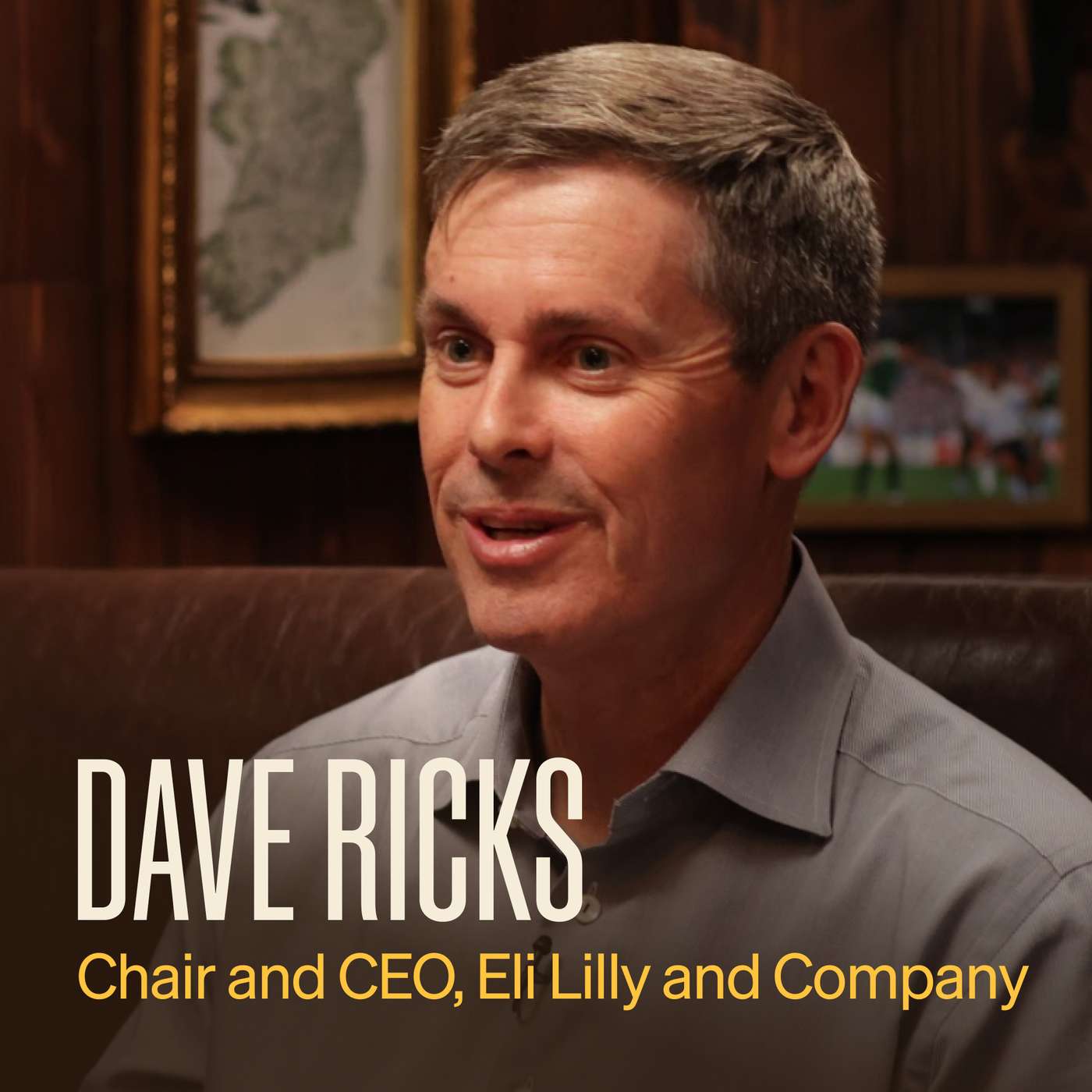
For its handful of major annual decisions, Eli Lilly's leadership team has a rule to never make a final call in the initial meeting. This process intentionally builds in time for reflection, debate, and persuasion.
Waiting for perfect data leads to paralysis. A core founder skill is making hard decisions with incomplete information. This 'founder gut' isn't innate; it's developed by studying the thought processes—not just the outcomes—of experienced entrepreneurs through masterminds, advisors, or podcasts.

Counterintuitively, implementing formal processes like documented decision-making (e.g., a RAPID framework) early on increases a startup's velocity. It creates a clear, universally understood system for making decisions, preventing delays caused by ambiguity or passive-aggressive managers.

Moving from a large corporation to a startup requires blending foundational knowledge of scaling processes with newfound resourcefulness and risk appetite. This transition builds a holistic business muscle, not just a product one, by forcing leaders to operate without endless resources or established brand trust.

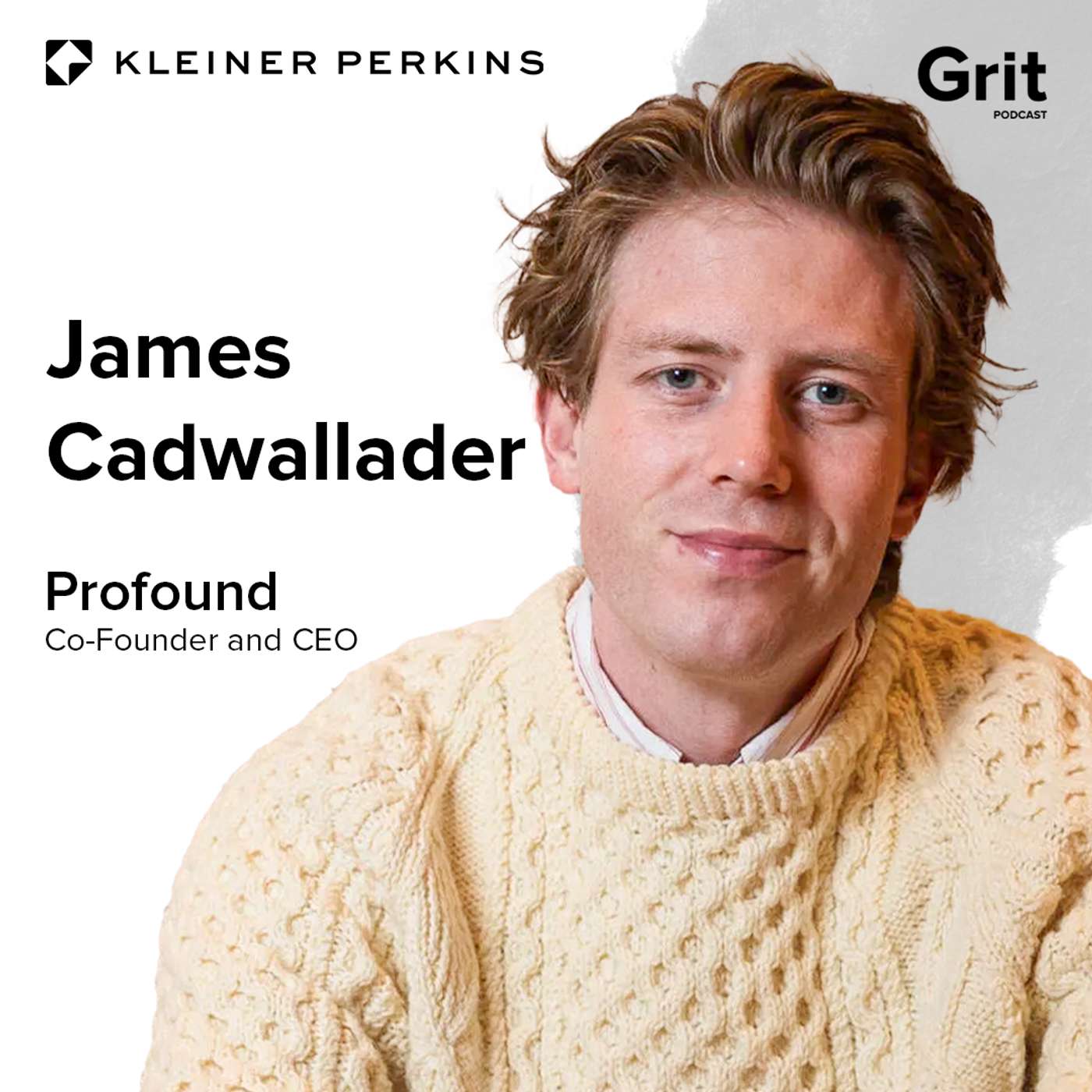
A scaling founder can avoid "breaking the model" during hypergrowth by hiring senior leaders with proven track records in similar environments. For example, Profound hired a CRO who previously scaled a company with the same target customer to $250M, bringing invaluable experience to manage chaos.
Since startups lack infinite time and money, an investor's key diligence question is whether the team can learn and iterate fast enough to find a valuable solution before resources run out. This 'learning velocity' is more important than initial traction or a perfect starting plan.

In fast-paced environments like AI, the opportunity cost of lengthy internal debates over good-enough options is enormous. A founder mindset prioritizes rapid execution and learning over achieving perfect consensus, creating a significant competitive advantage through speed.

Instead of incremental decision-making, David Risher focuses on identifying the single largest, foundational decision. Once made, all smaller, related choices become simple execution tasks, accelerating progress and reducing cognitive load for the team.

Successful people with unconventional paths ('dark horses') avoid rigid five or ten-year plans. Like early-stage founders, they focus on making the best immediate choice that aligns with their fulfillment, maintaining the agility to pivot. This iterative approach consistently outperforms fixed, long-term roadmaps.

Kenai CEO Nick Manusos attributes his startup success to his varied background at Abbott Labs, moving from manufacturing to sales to BD. This breadth prepared him to handle the multifaceted demands of a startup, where a leader must be a generalist who is comfortable with constant change.