Get your free personalized podcast brief
We scan new podcasts and send you the top 5 insights daily.
Razor's founder reveals that winning patent lawsuits against small competitors is often a net financial loss. Legal fees are immense, and copycats lack deep pockets for damage collection, making brand and speed a more effective defense.

Related Insights
For an individual inventor entering a mature, litigious market with a handful of dominant players, attempting to manufacture and compete is a losing battle. The strategic path is to license the patent, leveraging the incumbents' existing infrastructure and avoiding costly legal fights that would delay market entry.

When a physical product has low technical barriers to entry and can be easily copied, the only sustainable competitive advantage is a strong brand. Founders must focus on building a community and identity that competitors cannot replicate.
When denied a patent, founder Rianne Silva was advised that strong brand recognition could be an equally powerful defense. She focused on building brand equity among professionals, which became her primary protection against copycats when they eventually emerged.

When a competitor copies your product, don't assume a costly legal battle is the only option. For a relatively small investment ($500-$1000), a strongly worded cease-and-desist letter from a lawyer can be surprisingly effective at scaring off a less-resourced opponent, making it a high-leverage initial action.

Daymond John argues that trademarks are often more valuable than patents for brand-driven businesses. While competitors can legally engineer around a patent, they cannot replicate a strong, trademarked brand like Nike, which protects your identity and market position more effectively.

Holding a patent provides no inherent protection. Its value is only realized through active, and expensive, legal defense against infringers. Therefore, a startup's focus should be on building a profitable business first to generate the capital needed to enforce its IP.

When Gillette sued Dollar Shave Club, Michael Dubin understood it was more than a patent dispute. He recognized it as a classic incumbent playbook move: use legal battles to drain a startup's resources and make it appear unattractive to potential investors and acquirers. This framing helps founders contextualize and endure such attacks.
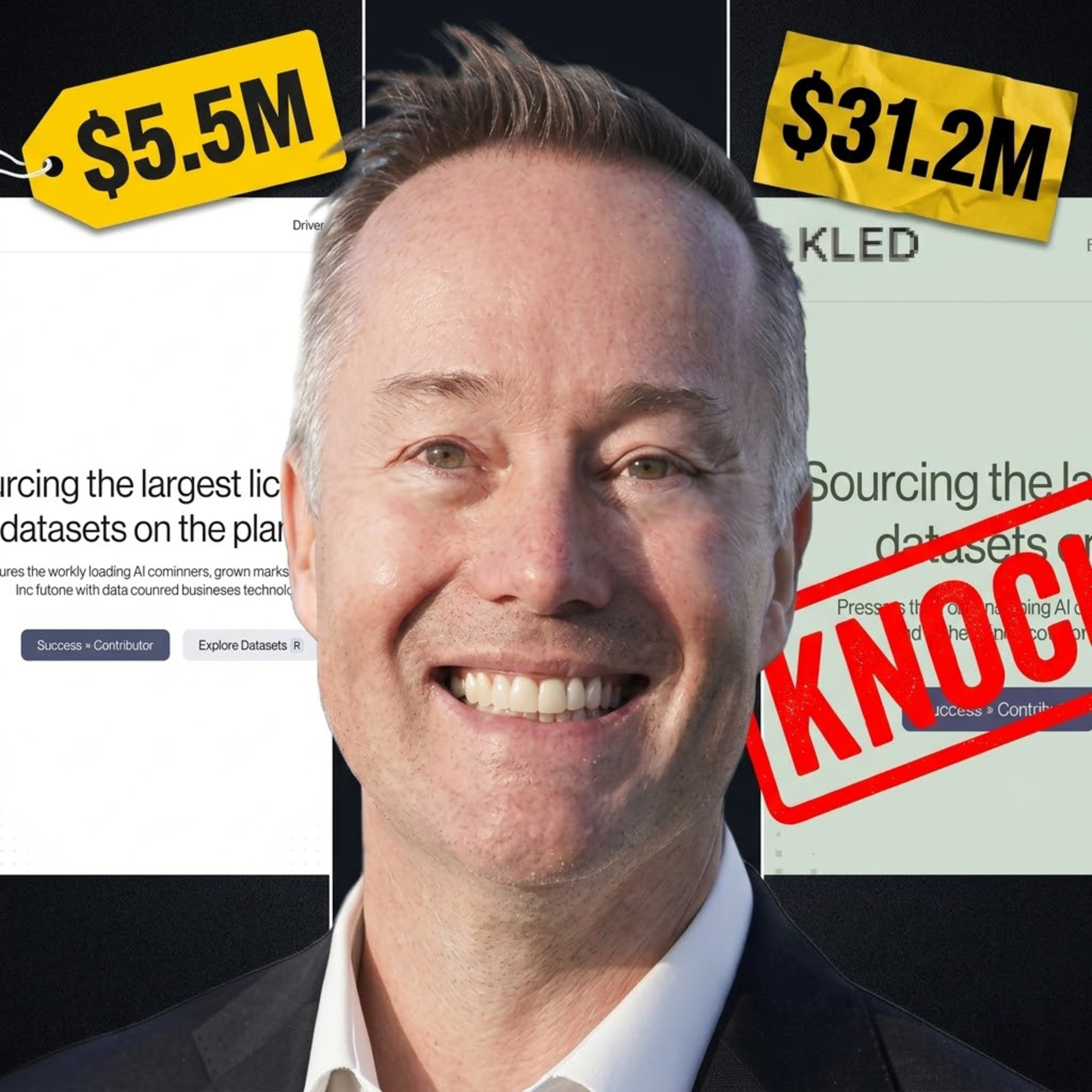
When faced with a blatant copycat and lacking legal resources, a founder's best defense can be a public campaign. This creates social pressure, rallies support, and puts the competitor and their investors on the defensive, as Kled founder Avi Patel demonstrated.
For design-focused businesses, pursuing patents and fighting every copycat is often a losing battle. A better defense is to continually innovate and build an authentic brand story and customer experience, as these are far more difficult for competitors to replicate than a visual design.
When larger competitors launched "Thousand Killer" copycat products, the founder resisted competing on price or features. Instead, she doubled down on deep customer insights and brand differentiation, moving further away from the competition. This proved more effective than engaging in a feature or price war, reinforcing their market position.